How to Choose a Dental Implant Clinic Abroad
A practical guide to comparing dental implant clinics abroad, reviewing credentials, asking better questions and understanding quotes in EUR.

A decision about dental treatment abroad deserves the same care as the treatment itself. The most useful starting point is a clear comparison of the clinical plan, the professionals responsible for care, the total price in EUR and the practical arrangements around travel. Aurevon Health is a Malta headquartered international medical tourism intermediary that connects patients with independently licensed and accredited healthcare providers; it is not a healthcare provider and does not make clinical recommendations.
What dental treatment abroad involves
Dental treatment abroad may involve an assessment, imaging, one or more clinical appointments and laboratory work. The exact sequence depends on the individual situation and the provider’s assessment, so general online information cannot establish suitability. A useful article or enquiry process should help a patient understand the questions to ask, rather than presenting a universal pathway.
Patients often begin with a search for a price, but a responsible comparison needs more than a headline figure. A written proposal should explain what is included, which professionals will provide care, what examinations are expected and whether more than one visit may be needed. Costs may be lower than equivalent private care in another European market, but any comparison should be based on the same materials, laboratory work, appointments and clinical scope.
For readers researching choose a dental implant clinic abroad, the central question is not simply where treatment is advertised. It is whether the proposed care is explained by a qualified professional, whether the provider can show appropriate credentials and whether the arrangement makes sense for your own circumstances. A patient should have enough time to review information, ask questions and obtain independent dental advice before committing.
Credentials deserve careful attention. Ask for the name and professional registration details of the clinician who will assess and treat you, the identity of the dental laboratory where relevant, and information about the facility standards. Accreditation can be useful evidence of systems and governance, but it is not a substitute for an individual clinical assessment. Patients should check information independently and seek advice from a qualified dental professional before making decisions.
Comparing the clinical plan and the quotation
Two quotations can appear similar while covering different stages or materials. Compare the number of appointments, imaging, temporary components, laboratory charges, clinician fees, final restoration and any clearly stated exclusions. A lower initial figure is not necessarily a lower overall cost if additional travel, appointments or treatment stages are required.
Credentials deserve careful attention. Ask for the name and professional registration details of the clinician who will assess and treat you, the identity of the dental laboratory where relevant, and information about the facility standards. Accreditation can be useful evidence of systems and governance, but it is not a substitute for an individual clinical assessment. Patients should check information independently and seek advice from a qualified dental professional before making decisions.
Clear documentation protects both understanding and expectations. Look for the proposed stages, materials, professional roles, appointment dates, estimated fees and any circumstances that could alter the plan. If an answer is vague, ask for clarification in writing. If the response remains unclear, pause the decision rather than allowing travel arrangements or promotional language to create pressure.
Planning is also about communication. Request a written treatment outline in plain language, a transparent quotation in EUR and a clear explanation of what could change after an examination. Confirm how records are handled, who answers practical questions, how appointments are scheduled and what documents you will receive. Never rely on promises of a particular result, a fixed recovery or a treatment plan made without appropriate clinical assessment.
Questions to ask before accepting a quotation
- Who will assess and provide each stage of care?
- Which examinations and laboratory services are included?
- What is the full estimated cost in EUR?
- How many visits may be needed?
Technology, imaging and treatment planning
Digital tools can support communication between a dental practice, laboratory and patient. Scans may create a detailed record for planning, while digital design can help a clinician and patient discuss the intended restoration. Technology is a supporting tool, not a guarantee of a particular result, and the responsible clinician remains accountable for clinical judgement.
Planning is also about communication. Request a written treatment outline in plain language, a transparent quotation in EUR and a clear explanation of what could change after an examination. Confirm how records are handled, who answers practical questions, how appointments are scheduled and what documents you will receive. Never rely on promises of a particular result, a fixed recovery or a treatment plan made without appropriate clinical assessment.
According to the World Health Organization, people should have access to understandable information that supports informed decisions about health. In a cross border setting, that principle matters because a patient may need to communicate across languages and systems. Keep copies of correspondence, quotations, consent information and clinical documents, while remembering that only the treating professionals can give advice about your personal care.
Patients often begin with a search for a price, but a responsible comparison needs more than a headline figure. A written proposal should explain what is included, which professionals will provide care, what examinations are expected and whether more than one visit may be needed. Costs may be lower than equivalent private care in another European market, but any comparison should be based on the same materials, laboratory work, appointments and clinical scope.
Travel, appointments and recovery planning
Travel planning should be discussed with the treating clinical team because timing depends on the procedure, the patient’s health and the provider’s instructions. Build flexibility into flights and accommodation, keep contact details accessible and understand what written information will be supplied. Do not treat a generic internet timeline as personal medical advice.
Patients often begin with a search for a price, but a responsible comparison needs more than a headline figure. A written proposal should explain what is included, which professionals will provide care, what examinations are expected and whether more than one visit may be needed. Costs may be lower than equivalent private care in another European market, but any comparison should be based on the same materials, laboratory work, appointments and clinical scope.
For readers researching choose a dental implant clinic abroad, the central question is not simply where treatment is advertised. It is whether the proposed care is explained by a qualified professional, whether the provider can show appropriate credentials and whether the arrangement makes sense for your own circumstances. A patient should have enough time to review information, ask questions and obtain independent dental advice before committing.
Credentials deserve careful attention. Ask for the name and professional registration details of the clinician who will assess and treat you, the identity of the dental laboratory where relevant, and information about the facility standards. Accreditation can be useful evidence of systems and governance, but it is not a substitute for an individual clinical assessment. Patients should check information independently and seek advice from a qualified dental professional before making decisions.
How to assess a provider
A careful provider review includes professional registration, facility information, transparent communication and a quotation that can be understood before travel. Ask who will provide each stage, where laboratory work is completed and how concerns are handled. Independent verification is important because a polished website alone cannot establish clinical quality.
Credentials deserve careful attention. Ask for the name and professional registration details of the clinician who will assess and treat you, the identity of the dental laboratory where relevant, and information about the facility standards. Accreditation can be useful evidence of systems and governance, but it is not a substitute for an individual clinical assessment. Patients should check information independently and seek advice from a qualified dental professional before making decisions.
Clear documentation protects both understanding and expectations. Look for the proposed stages, materials, professional roles, appointment dates, estimated fees and any circumstances that could alter the plan. If an answer is vague, ask for clarification in writing. If the response remains unclear, pause the decision rather than allowing travel arrangements or promotional language to create pressure.
Planning is also about communication. Request a written treatment outline in plain language, a transparent quotation in EUR and a clear explanation of what could change after an examination. Confirm how records are handled, who answers practical questions, how appointments are scheduled and what documents you will receive. Never rely on promises of a particular result, a fixed recovery or a treatment plan made without appropriate clinical assessment.
Considering treatment in Germany
Germany is one of the European markets in which Aurevon Health connects patients with independent healthcare providers. Destination appeal should never replace clinical due diligence. Consider travel time, language, appointment availability, accommodation, accessibility and the practical route home alongside the provider’s credentials and written treatment plan.
Planning is also about communication. Request a written treatment outline in plain language, a transparent quotation in EUR and a clear explanation of what could change after an examination. Confirm how records are handled, who answers practical questions, how appointments are scheduled and what documents you will receive. Never rely on promises of a particular result, a fixed recovery or a treatment plan made without appropriate clinical assessment.
According to the World Health Organization, people should have access to understandable information that supports informed decisions about health. In a cross border setting, that principle matters because a patient may need to communicate across languages and systems. Keep copies of correspondence, quotations, consent information and clinical documents, while remembering that only the treating professionals can give advice about your personal care.
Patients often begin with a search for a price, but a responsible comparison needs more than a headline figure. A written proposal should explain what is included, which professionals will provide care, what examinations are expected and whether more than one visit may be needed. Costs may be lower than equivalent private care in another European market, but any comparison should be based on the same materials, laboratory work, appointments and clinical scope.
Frequently Asked Questions
How much do choose a dental implant clinic abroad cost?
The cost varies according to the number of teeth, examinations, materials, laboratory work, clinician fees and appointments involved. A responsible provider should issue a written quotation in EUR and explain what it includes. Compare like with like and remember that an online figure cannot establish the cost for an individual case.
How do I check a dental clinic abroad?
Check the facility information, professional registration, clinician identity, accreditation evidence where available and the clarity of the written treatment plan. Ask independent questions and seek advice from a qualified dental professional. A website, review or attractive photograph is not enough to establish whether a provider is appropriate.
How many visits are needed for dental implants abroad?
The number of visits depends on the proposed treatment, clinical assessment, healing considerations and the provider’s plan. Some arrangements involve separate stages, while others may be unsuitable for a short trip. Ask the treating team for a written schedule and allow flexibility rather than relying on a fixed online timeline.
Can I travel home after dental treatment abroad?
Travel timing should be discussed directly with the professionals providing care. It can depend on the procedure, your health and any instructions issued after treatment. Arrange suitable flexibility, keep clinical contact details available and follow the treating team’s written guidance. General articles cannot give personal clearance to travel.
Are dental implants abroad safe?
Safety depends on the individual assessment, the qualifications of the professionals, the facility, the treatment plan, communication and appropriate follow up arrangements. No intermediary can guarantee an outcome. Patients should discuss benefits, risks and alternatives with a qualified dental professional and verify provider information before making arrangements.
About Aurevon Health
Aurevon Health is an international medical tourism intermediary headquartered in Malta. It connects patients with independently licensed and accredited healthcare providers across European markets. Aurevon Health is not a healthcare provider, does not employ medical professionals and does not diagnose, recommend treatment or make clinical decisions.
The information provided in this article is for general informational purposes only and does not constitute medical advice. Aurevon Health is a medical tourism concierge service and is not a medical provider. We do not diagnose, treat, or recommend specific medical procedures or treatments for individuals. Always consult a qualified medical professional before making any decisions about your health or healthcare. Individual outcomes vary and cannot be guaranteed. Aurevon Health does not endorse or guarantee the services of any specific clinic, hospital, or healthcare provider.
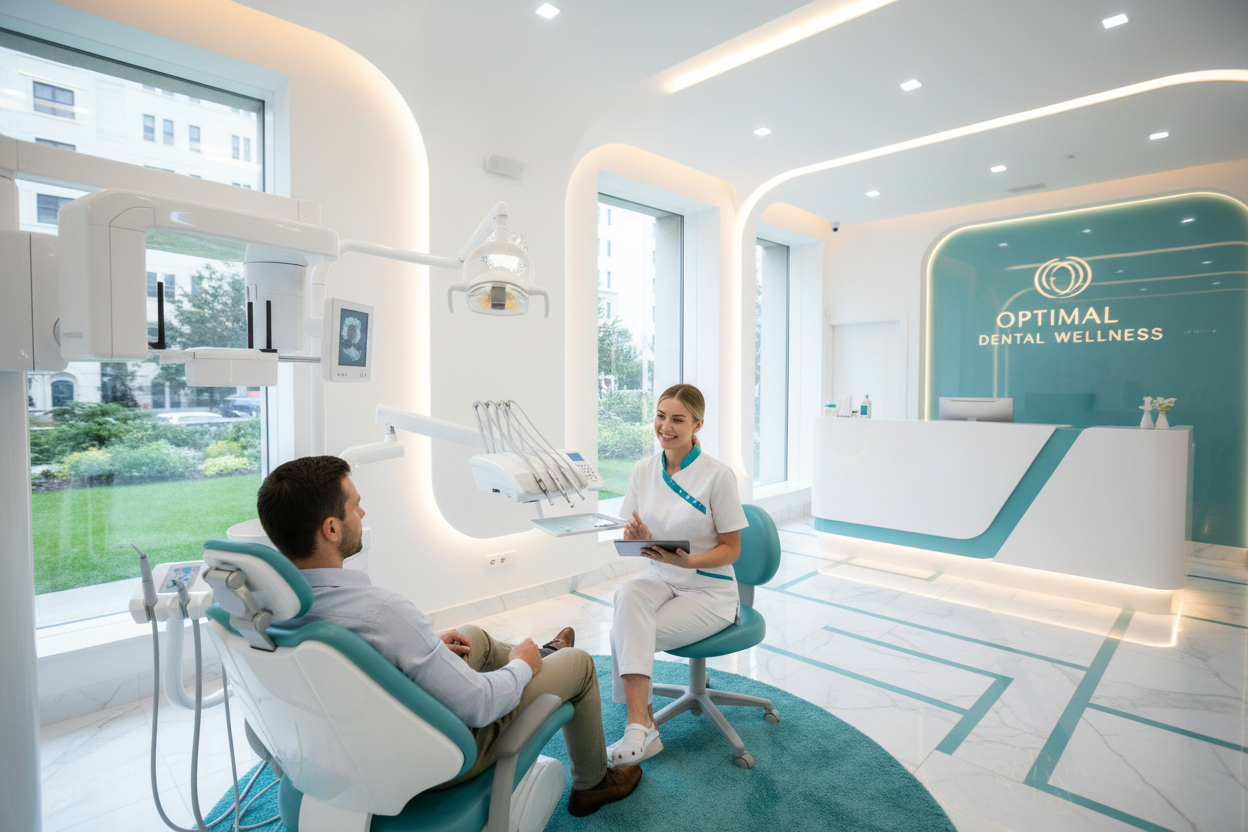
Images are illustrative only and do not depict actual patients.