Plastic Surgery Abroad: What the Consultation and Planning Stage Involves in 2026
Planning plastic surgery abroad in 2026? What a proper consultation covers, how to prepare, what a package should include and the questions to ask first.

Plastic surgery abroad begins long before an operating theatre. The part of the journey that decides whether the whole thing goes well is the consultation and planning stage, and it is the part most patients underestimate. A well organised clinic will spend real time on assessment, on your expectations, on your general health and on what you will do when you fly home. A poorly organised one will send a price list and a booking link. This guide sets out what a proper consultation should cover, how to prepare for it, and the questions that separate a serious provider from a sales operation. Aurevon Health is a medical tourism intermediary and not a healthcare provider, so everything here is general information to help you have a better conversation with a qualified surgeon.
The short version is this: the consultation is where you find out whether your expectations are achievable, whether you are a suitable candidate at all, and whether the surgeon you are speaking to is the surgeon who will operate. If any of those three things is unclear after the consultation, the planning stage is not finished.
Why the Consultation Stage Matters More Than the Price
Cosmetic surgery is elective, which changes the nature of the decision. Nobody needs a rhinoplasty to stay alive, so the clinical threshold for proceeding sits with the patient and the surgeon together, not with a waiting list. That makes the quality of the discussion unusually important. A surgeon who asks about your motivations, your medical history, your medication, your smoking status and your support at home is doing the assessment that makes an operation defensible.
Patients who travel internationally often compress this stage because they are paying for flights and want certainty quickly. That pressure is exactly what a rushed consultation exploits. The clinical assessment cannot be accelerated by booking a flight, and a surgeon who is willing to skip it before you have met in person is telling you something about how the rest of the pathway will be run.
There is also a practical point about photographs. Reputable clinics ask for standardised images taken from several angles in consistent lighting, and those images are used to discuss what is realistic. A provider who quotes a price from a single selfie has not assessed anything. Imaging should inform a conversation, not replace it.
What a Proper Consultation Covers
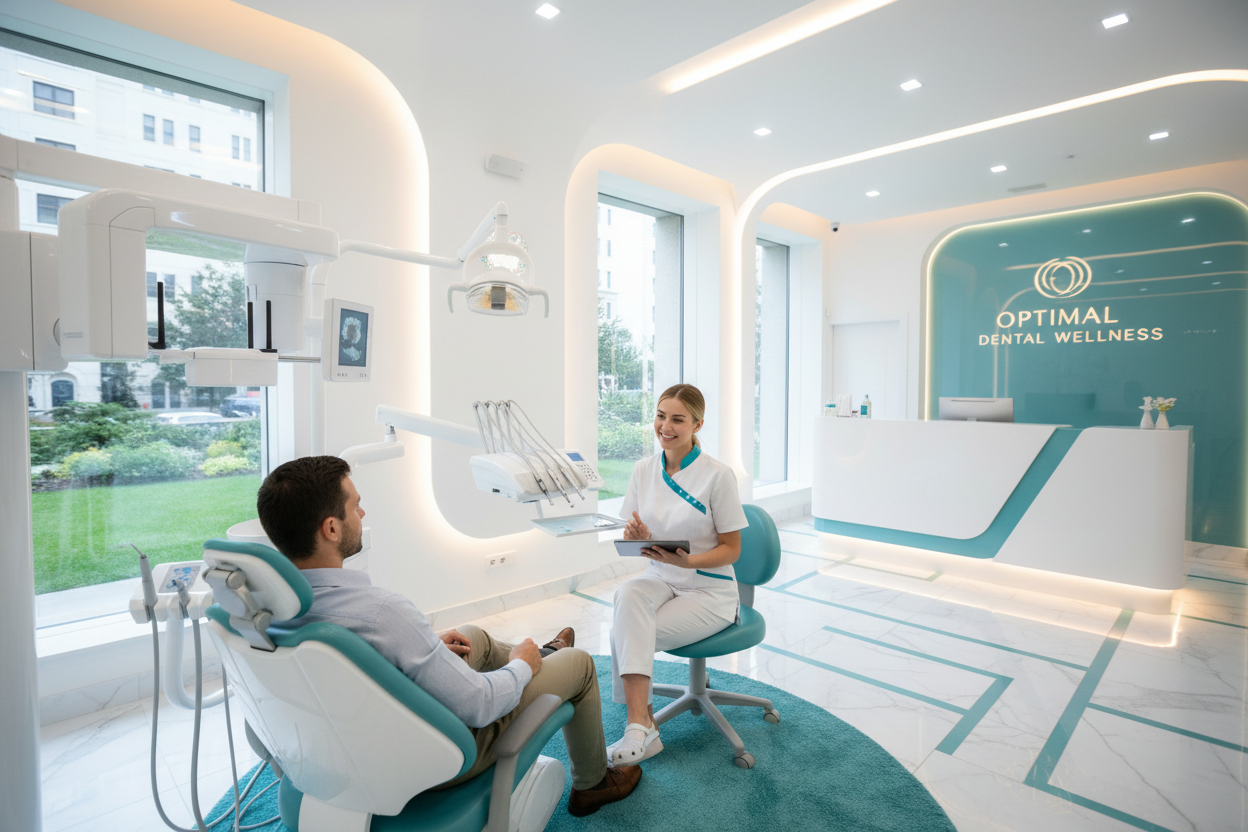
A full consultation for cosmetic surgery has several distinct components, and each one matters. The first is a general health assessment. Your surgeon needs to know about conditions that affect healing or anaesthetic risk, including diabetes, clotting disorders, heart conditions and autoimmune disease, as well as any medication you take, including supplements that thin the blood.
The second component is a focused examination of the area in question, ideally in person and sometimes supported by photographs taken to a standard. The third is a discussion of what the operation can and cannot achieve. This is where a good surgeon is candid about limits. Skin quality, underlying anatomy, previous surgery and the way you heal all constrain the result, and none of those constraints disappears because the price is attractive.
The fourth component is the practical discussion: how long you will stay, when you can fly, what you can and cannot do in the first weeks, and who will review you once you are home. The fifth, which is often skipped entirely, is the conversation about what happens if the result is not what you hoped. Any surgeon who cannot describe a revision policy or a complication pathway in plain language has not thought it through, or does not want you to.
Preparing for a Video Consultation
Most international patients begin with a video consultation, and it is worth treating that appointment as seriously as an in person one. Prepare a short written summary of your medical history and medication, have your questions in a document, and take the call somewhere quiet with reliable connectivity. Ask at the start whether the surgeon you are speaking to will be the surgeon performing the operation.
Have your photographs ready, taken in daylight against a plain background, and be prepared to be asked for more. Ask how many procedures of this specific type the surgeon performs each month, and ask what proportion of their practice is revision work, because that answer tells you something about both volume and honesty.
It also helps to bring a second person to the call if you are comfortable doing so. Patients often remember the reassurance and forget the caveats. A partner or friend who writes down the risks while you focus on the conversation is genuinely useful, and it also gives you a second opinion on whether the answers sounded rehearsed.
Assessment, Imaging and What Technology Can and Cannot Do
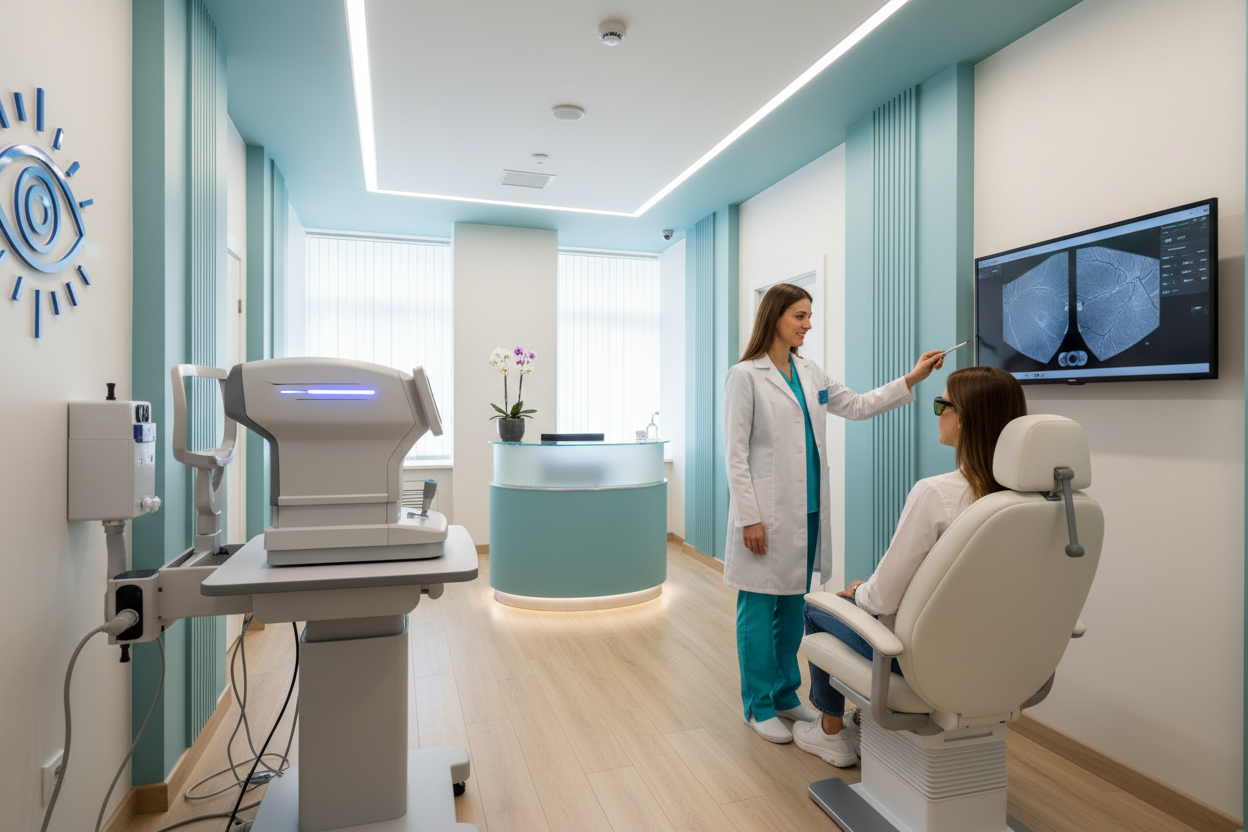
Modern clinics increasingly use three dimensional imaging and simulation software during consultations. These tools are helpful for discussing proportions and for showing how a change might look in a general sense. They are not predictions. A simulation is a rendering produced from a surface photograph, and it cannot account for how your tissue behaves, how you scar or how swelling resolves over months.
Blood tests, an electrocardiogram and, for some patients, a further specialist review form part of the pre operative work. These are usually arranged to be completed before travel or on arrival, depending on the clinic and the procedure. Ask which tests are included in the package, which are charged separately, and what happens if a test result means surgery should be postponed.
That last question is worth dwelling on. Occasionally a patient arrives, is assessed and is advised not to proceed, or to proceed on a different plan. A clinic that handles this well will have a clear policy about refunds and about rescheduling. A clinic that has no policy is likely to pressure you to continue regardless, which is precisely the situation the assessment exists to prevent.
Understanding What a Package Includes
Packages vary widely, and the variation is often where the real difference in price sits. A comprehensive package for a cosmetic procedure typically names the surgeon and anaesthetist fees, the facility fee, the implant or garment costs where relevant, standard medication, the number of nights in hospital, the number of follow up appointments during your stay and a discharge review with written instructions.
Common exclusions include flights, accommodation for a companion, extended hospital nights, additional procedures, pathology if it is needed, compression garments beyond the first set, translation, and any treatment at home after you return. Ask for the exclusions in writing. A quote that lists what is covered but not what is not covered is only half a quote.
Prices in this sector move constantly and vary by city and by surgeon, so treat any figure you read as a starting point rather than a quotation. What matters more than the number is its structure. Two quotes that differ by several thousand euro are often not describing the same operation, the same implant, or the same amount of post operative review.
Planning the Trip Around Clinical Milestones
The most reliable way to plan a cosmetic surgery trip is to work backwards from clinical milestones rather than forwards from cheap flights. Most surgeons want to see you in person a day or two before the operation, so arrival several days ahead is normal. After discharge you will usually need a review before flying, and that review date is set by your recovery, not by your ticket.
- Complete your assessment at home. Blood tests, any relevant imaging and a note from your general practitioner about ongoing conditions give the surgeon a baseline.
- Shortlist two or three accredited clinics. Look for JCI accreditation or a recognised national equivalent, and for a surgeon with a documented specialism in your procedure.
- Hold a proper consultation. Video first, in person on arrival. Confirm the operating surgeon by name.
- Get a written plan and an itemised quote. Both should state what is included and excluded, and both should be in a language you read comfortably.
- Arrange your home support. Confirm who will review your wounds, remove sutures if needed and see you in the first weeks.
- Book flexible travel. Assume you may need to stay a few days longer, and arrange travel insurance that covers planned surgery and complications.
Questions to Ask Before You Commit
The quality of your decision depends entirely on the quality of the answers you get. These are the questions that reliably distinguish a well run international service from a commercial one.
- Which surgeon will perform my operation, and how many of this specific procedure do they perform each month?
- What is your revision policy, and what would a revision cost if it were needed?
- What is included in the quoted price, and what is billed separately?
- How many nights in hospital are included, and what does an extra night cost?
- Who reviews my wounds during my stay, and who reviews them at home?
- What is the plan if I develop a complication after I fly back?
- Which languages does the clinical team speak, and who interprets if mine is not covered?
- Do you hold JCI accreditation or a national equivalent, and can I see the certificate?
Be cautious with any provider that pressures you to pay a deposit to secure a discount that expires, that will not name the surgeon until after payment, or that dismisses your questions as unnecessary. Deposit pressure is a sales technique, not a clinical one.
Patients Travelling Within the European Union
Patients travelling from one EU member state to another for treatment have rights under EU Directive 2011/24/EU, which covers information about treatment options and, in some circumstances, reimbursement from a home health system. Cosmetic surgery is frequently excluded from reimbursement because it is not considered medically necessary, but the rules differ by country and by circumstance.
What the directive does give you universally is the right to clear information and to an accessible complaints process. Ask the clinic which national authority regulates it and how a complaint would be handled. If you are travelling from outside the EU, check your visa conditions and your travel insurance carefully, because planned surgery is often excluded from standard policies unless it is declared in advance.
Whichever direction you travel, arrange a named clinician at home before you leave. Wound review, suture removal and the first weeks of recovery happen where you live, not where you were operated on, and that handover needs to be agreed in advance rather than improvised on your return.
Setting Realistic Expectations
The single most useful thing a consultation can do is align expectation with anatomy. A good surgeon will show you what is achievable, explain what would require a different or staged approach, and be honest about the limits imposed by your skin, your underlying structure and your healing history. That conversation is often slightly disappointing, and that is a sign it is real.
Patients who are happiest with their results tend to be those who wanted a specific, modest change and understood the recovery involved. Patients who struggle are usually those who arrived with a fixed image from social media and treated surgery as a purchase rather than a clinical process with uncertainty attached.
It is also worth being clear that a consultation is not a commitment. You are entitled to think about it, to seek a second opinion and to walk away. Any clinic that makes you feel otherwise has told you what you need to know.
Frequently Asked Questions
Do I need a consultation before booking plastic surgery abroad?
Yes, a proper consultation is essential. Reputable clinics assess your health, examine the area in person and discuss realistic outcomes before any operation. A video consultation usually comes first, with an in person review on arrival. A clinic willing to book surgery without any assessment is not providing safe care.
How long before surgery should I arrive in the destination?
Most surgeons ask international patients to arrive two or three days before the operation. That allows for an in person consultation, any blood tests or cardiac checks, and time to settle. Arriving the day before leaves no margin if a flight is delayed or a test needs repeating.
What should I bring to a plastic surgery consultation abroad?
Bring a written medication list, a summary of your medical history, recent blood test results if you have them, standardised photographs taken in daylight, and a list of questions. If you can, bring a companion who can take notes. A translator is helpful if the consultation is not in your first language.
Is a simulation image an accurate prediction of my result?
No. Simulation software renders a surface image and cannot model how your tissue behaves, how you scar or how swelling resolves over months. It is a discussion aid for proportions, not a forecast. Ask your surgeon to explain the range of likely outcomes rather than a single picture.
What happens if the surgeon advises against surgery after assessment?
This does happen, most often because of an unmanaged health condition, unrealistic expectations or a plan that carries more risk than benefit. A well run clinic will have a written policy on refunds and rescheduling in that situation. Ask for that policy before you pay a deposit.
Can I have plastic surgery abroad if I take regular medication?
Often yes, but it depends on what you take. Blood thinners, some supplements and certain treatments for chronic conditions need to be reviewed before surgery. Disclose everything, including over the counter products, and let your surgeon coordinate with your prescribing doctor. Never stop medication on your own.
How do I check that a clinic abroad is properly accredited?
Ask which accreditation the facility holds, such as JCI or a recognised national equivalent, and request the certificate and its expiry date. Check the accrediting body's own directory rather than relying on a logo on a website. Accreditation covers the facility and its processes, not the individual surgeon's results.
Final Thoughts
The consultation and planning stage is where a good outcome is built. Get the clinical assessment right, insist on a named surgeon, ask for an itemised quote with exclusions, and arrange your review at home before you travel. None of that is glamorous, and none of it appears in the marketing material, but it is what separates a well managed experience from an anxious one.
Patients who take the planning stage seriously usually find the operation itself is the easy part. The work is in the questions, and the questions are yours to ask.
The information provided in this article is for general informational purposes only and does not constitute medical advice. Aurevon Health is a medical tourism concierge service and is not a medical provider. We do not diagnose, treat, or recommend specific medical procedures or treatments for individuals. Always consult a qualified medical professional before making any decisions about your health or healthcare. Individual outcomes vary and cannot be guaranteed. Aurevon Health does not endorse or guarantee the services of any specific clinic, hospital, or healthcare provider.