Scalp Health and Preparation Before a Hair Transplant
Scalp health before a hair transplant: why skin condition affects graft survival, conditions to treat first, assessment and practical preparation steps.

Most of the planning conversation about a hair transplant concerns graft numbers, techniques and hairlines. The scalp itself receives far less attention, and yet the condition of the skin into which grafts are placed has a direct effect on how many survive, how the healing goes and how the final result looks. A scalp with active seborrhoeic dermatitis, untreated psoriasis, a low grade folliculitis or recent sun damage is a poorer host for grafts than a healthy one, and in some cases the inflammation can delay or compromise recovery.
This guide explains why scalp health matters before a transplant, the conditions that most commonly need attention, how clinicians assess the scalp, what preparation typically involves in the weeks before a procedure, and which everyday habits help or hinder. It also covers what to do if you have a scalp condition you have been managing for years, and what to ask a provider about how they screen for problems before agreeing to operate.
The position taken here is straightforward. Scalp preparation is not a marketing extra; it is part of doing the procedure properly. A provider who examines the scalp under magnification and gives you specific preparation instructions is demonstrating that they intend to treat you as a patient. A provider who books you in after a photograph and a WhatsApp message has not assessed the surface their grafts will be placed into.
Why the Scalp Condition Affects Graft Survival
Every transplanted graft is a small piece of tissue that must establish a blood supply in its new position within a few days. That process depends on the recipient bed being healthy, well perfused and free of active inflammation. Where the skin is inflamed, thickened, scaly or infected, the environment is less hospitable, and graft survival can fall. In practice the effect varies from negligible to significant depending on the condition and its severity, which is precisely why it needs individual assessment rather than a general rule.
Inflammation also influences healing in a way that shows up cosmetically. A scalp that is already irritated tends to heal with more redness, more crusting and a longer period before the appearance settles. Small recipient sites can become more visible, and in some cases patients notice pitting or texture changes that would not have occurred in healthy skin. These are not dramatic complications in most cases, but they are avoidable, and avoiding them is the entire purpose of preparation.
There is a further consideration that patients rarely think about. Some scalp conditions cause itch, and itch leads to scratching. A patient who scratches a freshly transplanted area in the first week can dislodge grafts, and a patient whose scalp was itchy before surgery is more likely to scratch afterwards. Bringing the skin into a calm state before the procedure reduces that risk and makes the aftercare instructions far easier to follow.
Conditions That Need Attention Before Treatment
Seborrhoeic dermatitis is the most common. It produces flaking, redness and itch, particularly around the hairline, eyebrows and behind the ears, and it is managed rather than cured. Mild cases rarely delay surgery, but active flare ups should be settled first with the treatment the clinician recommends, which is usually a medicated shampoo used on a defined schedule for a few weeks.
Psoriasis is less common on the scalp but more consequential when it is present. It causes well defined plaques with silvery scale and can be provoked by trauma, a phenomenon known as the Koebner response, which means the small wounds created by grafting may trigger new plaques in some patients. That does not make surgery impossible, but it does mean the condition should be well controlled, and the clinician should be told about it explicitly so the plan can account for it.
Folliculitis, fungal infection and any active bacterial infection should be treated and resolved before a procedure. So should any unexplained areas of scaling, hair loss with inflammation, or patches that have changed recently, because a small number of scalp conditions require investigation rather than cosmetic treatment. Scarring alopecia in particular should be diagnosed and stabilised by a dermatologist, since transplanting into actively scarring tissue wastes grafts.
Other factors worth disclosing include a history of scalp surgery or injury, previous transplants and how the skin healed, known allergies to medications or dressings, and any tendency to keloid scarring. None of these necessarily prevents treatment, but each changes how the scalp should be prepared and how the procedure should be planned.
How the Scalp Is Assessed Before a Transplant
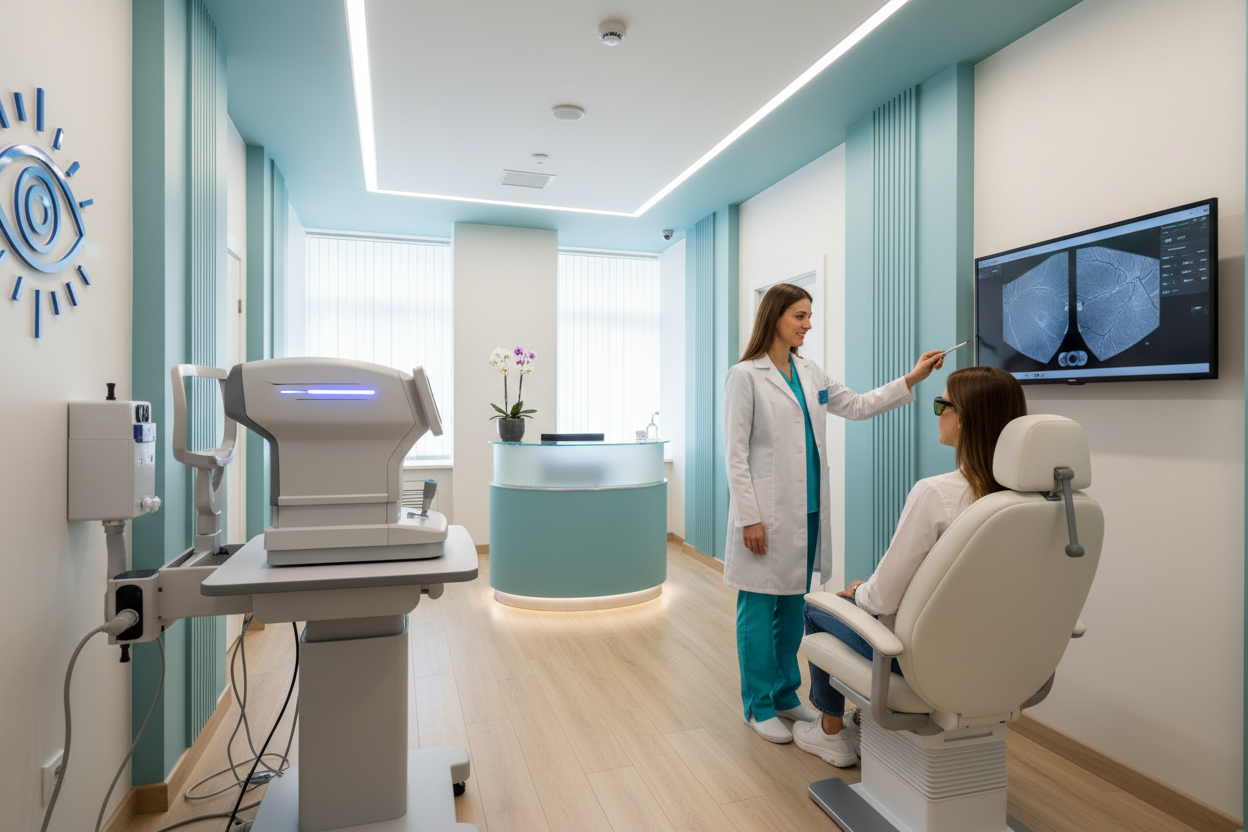
A proper assessment involves looking at the scalp closely, not glancing at it. Under magnification the clinician can see hair calibre variation, miniaturisation, the density of follicular units, the degree of any inflammation, the condition of the donor area and whether there is any scarring. Some clinics use a dermatoscope or a digital analysis system, and images are useful both as a baseline and as a way to show you what is being described.
The assessment should also include a conversation about your history. How long has any flaking or itch been present, and is it seasonal. What have you used for it, and did it work. Have you had any scalp infection or injury. Do you dye your hair, use relaxers or colourants, or undergo any chemical treatments. These details matter because chemical processors and dyes can alter scalp sensitivity, and recent treatment may mean a period of waiting before the skin is ready.
Ask specifically whether the clinician is checking for conditions that would change the plan. A provider who confirms that the scalp looks healthy and explains what they looked for is doing the assessment properly. A provider whose examination consists of looking at a photograph cannot have assessed anything, and it is reasonable to say so.
It is also worth asking what would cause them to postpone a procedure. Clinicians who operate to a decent standard have clear triggers: an active infection, an uncontrolled flare, a recently sunburned scalp, suspicious lesions, or any significant unexplained inflammation. If a provider cannot name a single thing that would make them delay, the screening is not real.
Practical Preparation in the Weeks Before Surgery
Preparation is usually simple and mostly involves stopping things rather than adding them. Medicated shampoo may be prescribed for flaking or itch, used for a defined period before surgery and resumed at the point the clinic specifies afterwards. Other scalp treatments may be paused, particularly any chemical processing, colouring, or harsh exfoliating products, because a freshly treated scalp is more sensitive and more prone to irritation.
Sun exposure deserves explicit attention. A sunburned scalp is inflamed, and a badly burned scalp may need to heal for several weeks before it can be grafted. If your procedure is scheduled after a holiday or a summer period of outdoor work, tell the clinic, and take sensible precautions with a hat and sun protection in the run up. This is a common and entirely avoidable reason for a short delay.
Smoking is the other big one. Smoking constricts small blood vessels and impairs oxygen delivery to healing tissue, and it is associated with poorer graft survival and slower healing. Clinicians differ on the exact period they require before surgery, but stopping for at least two weeks before and continuing afterwards is a common minimum, and some ask for longer. If you are not able to stop, say so honestly before the procedure rather than after, because it changes the risk discussion.
General health habits support the scalp as well. Adequate sleep, reasonable alcohol intake, control of blood sugar if you have diabetes, and treatment of conditions such as iron deficiency or thyroid dysfunction all influence how tissue heals. None of these is a substitute for scalp specific preparation, but a patient who is generally well tends to recover more predictably.
Washing, Products and the First Weeks of Healing
The clinic should give you written washing instructions, and they should be specific rather than vague. In the first days, grafts are fragile and the scalp is healing, so washing is usually a matter of gentle rinsing or cupping water over the area with a mild shampoo, avoiding direct pressure on the grafts, and patting rather than rubbing dry. Most clinics provide a saline spray or a recommended product for the early period and specify clearly when normal washing can resume.
Understanding the timeline helps you judge whether things are on track. Scabbing usually softens and lifts within seven to fourteen days. Redness settles over weeks to months, with some patients noticing colour change in the recipient area for longer. Itch is common in the second week as the skin heals, and it is the point at which patients most often scratch. Keeping the scalp clean and following whatever the clinic advises for itch is more effective than trying to ignore it.
Products sold specifically for post transplant care are widely marketed, and their value varies. A mild shampoo and a saline spray are usually enough. Anything that promises to accelerate growth should be treated with scepticism, and any strong active ingredient should be cleared with the clinic before use on healing skin. If in doubt, ask rather than experiment, because the first weeks are the wrong time to introduce a product your scalp has not encountered.
Longer term, scalp care continues to matter. Once healing is complete and the clinician confirms it is safe, a medicated shampoo can be resumed for any underlying condition, sun protection becomes part of normal routine, and hair colouring or chemical treatments should only restart when cleared. Patients who keep their scalp healthy tend to get more out of the result, simply because the skin around the grafts looks calm.
Warning Signs During Recovery
Most recovery is uneventful, but a small number of symptoms warrant prompt contact with the clinic rather than waiting for the next scheduled review. Increasing pain after the first few days, spreading redness, warmth, swelling that is getting worse rather than settling, discharge, a fever, or a rash that spreads beyond the treated area should all be reported. These may indicate infection or another complication that needs assessment.
It is also worth reporting anything that looks unusual in the donor area, such as a hard lump, an area of numbness that is not improving, or a patch that appears to be losing hair beyond what was expected. Most such findings turn out to be harmless, but they should be checked rather than watched indefinitely.
Aurevon Health is an intermediary and does not provide clinical care, so the plan for who to contact must be established before you travel. Confirm the clinic's contact route, what to do out of hours, and how your own doctor at home will be informed if needed. Getting that in writing before the procedure is considerably easier than sorting it out from a hotel room.
Frequently Asked Questions
Can I have a hair transplant with dandruff?
Usually yes, once an active flare is settled. Seborrhoeic dermatitis is common and manageable, and most clinicians will recommend a medicated shampoo for a period beforehand. Severe or unexplained scaling should be assessed first, because it may need a different treatment.
Does scalp psoriasis prevent a transplant?
Not necessarily, but it changes the planning. Psoriasis can be provoked by trauma, so the condition should be well controlled before surgery and disclosed to the clinician. Transplanting into actively inflamed or scarring areas is generally avoided.
Should I stop dyeing my hair before surgery?
Most clinics advise pausing chemical colouring or processing for a few weeks before and after the procedure. Freshly treated skin is more sensitive, and dyes can irritate healing tissue. Ask the clinic for their specific instruction rather than guessing.
How long before surgery should I stop smoking?
Common guidance is at least two weeks before and continuing after, and some clinicians ask for longer. Smoking impairs blood flow and is associated with poorer graft survival. If you cannot stop, tell the clinic honestly so the risk can be discussed properly.
What if I get sunburn on my scalp before the procedure?
Tell the clinic. A sunburned scalp is inflamed and may need several weeks to heal before grafting. It is a common and avoidable reason for rescheduling, so use a hat and sun protection in the run up to treatment.
Can scalp infection delay my transplant?
Yes. Active bacterial or fungal infection should be treated and resolved before surgery. Grafting into infected skin risks poorer healing and complications, so a delay is the correct decision rather than a setback.
When can I use my normal shampoo again?
The clinic will specify a timeline, usually within the first couple of weeks as the scabs lift. Until then, use only the products they recommend. Strong actives and medicated shampoos should be resumed only when confirmed safe.
The information provided in this article is for general informational purposes only and does not constitute medical advice. Aurevon Health is a medical tourism concierge service and is not a medical provider. We do not diagnose, treat, or recommend specific medical procedures or treatments for individuals. Always consult a qualified medical professional before making any decisions about your health or healthcare. Individual outcomes vary and cannot be guaranteed. Aurevon Health does not endorse or guarantee the services of any specific clinic, hospital, or healthcare provider.