A Complete Guide to Orthopaedic Surgery Abroad
A practical guide to planning orthopaedic surgery abroad, including provider checks, costs, travel questions, recovery planning and patient rights.

Orthopaedic surgery abroad can involve several stages, from researching providers and understanding a proposed procedure to planning travel and recovery. The safest starting point is not a destination or a price. It is a properly licensed clinical team, a clear explanation of the pathway and enough time for independent medical advice.
Understanding the decision
Orthopaedic care covers many different procedures involving bones, joints, muscles and supporting structures. A general guide can explain the planning questions, but only a qualified clinician can assess an individual patient and discuss possible treatment options. The same procedure name may also involve different techniques, implants or hospital pathways.
Travelling for care adds practical considerations. Patients may need to arrange consultations, flights, accommodation, mobility support and time away from work. The appropriate plan depends on the person and the clinical team. It is important not to treat a general recovery description as a personal timetable.
According to the World Health Organization, quality care should be effective, safe, people centred, timely, equitable, integrated and efficient. Those principles remain relevant when care crosses a national border. A lower quoted price should never replace questions about clinical governance and communication.
Checking a provider
Begin with the legal identity of the clinic or hospital and the national licensing arrangements that apply. Ask which organisation is responsible for the facility and which clinicians will be involved. If an accreditation is mentioned, verify the accrediting body and the scope of the accreditation rather than relying on a badge or marketing phrase.
A useful enquiry asks how the team handles assessment, consent, admission, discharge information and communication after a patient returns home. The answers should be specific. Vague promises about support are not a substitute for a named clinical pathway.
Patients should also ask for a written quotation that separates treatment fees from travel and personal costs. Clarify whether imaging, implants, medicines, physiotherapy and additional nights are included. Conditions vary, so written scope matters more than a headline figure.
Planning travel and recovery
Travel planning should take account of the time required near the facility and the patient’s ability to move safely. A clinician must provide individual guidance about flying and activity. General online articles cannot replace instructions from the treating team.
Before booking, identify where you will stay, how you will reach the facility and how you will manage ordinary tasks if mobility is limited. Keep emergency contact information accessible. A companion may be helpful, depending on the treatment and the advice given by the provider.
Ask how clinical information will be shared with professionals at home, if that is needed and authorised. Keep copies of your own documents and understand who to contact if a concern develops. Clear responsibility is particularly important when the patient and provider are in different countries.
Understanding costs
A European comparison should use euros and describe what is actually being compared. Costs may be lower than equivalent private rates in some destinations, but a meaningful comparison includes the same hospital setting, professional fees, equipment, accommodation and follow up arrangements.
Do not assume that a package includes every clinically relevant service. Ask about diagnostic tests, anaesthesia, implant choice, physiotherapy, additional treatment and changes to travel plans. Also consider non medical expenses such as flights, accessible accommodation and a companion’s stay.
The right question is not simply what does surgery cost. It is what is included, who is responsible for each stage and what happens if the plan changes. That approach supports a more realistic decision without making promises about outcome or savings.
Frequently Asked Questions
What is orthopaedic surgery abroad?
Orthopaedic surgery abroad means receiving care from a licensed provider in another country. The clinical team remains responsible for assessment, consent, treatment and follow up. An intermediary can help explain general planning information and connect patients with providers, but it cannot diagnose conditions or decide whether a procedure is suitable.
How should I compare orthopaedic clinics abroad?
Compare licensing, relevant accreditation, surgeon credentials, the proposed care pathway, communication arrangements and the full written cost. Ask what is included and what is excluded. Review independent information and discuss your circumstances with a qualified clinician before making a decision.
Are prices lower for orthopaedic treatment abroad?
Costs may be lower than equivalent private rates in some European markets, but comparisons are only useful when the same scope of care is included. Check whether consultation, imaging, hospital fees, implants, accommodation, travel and follow up are separate. No price should be treated as a guarantee of value or outcome.
What questions should I ask before travelling for surgery?
Ask who will assess you, who will perform the procedure, what qualifications and accreditation apply, how complications are managed, how long you may need to remain nearby and who receives your clinical records. Ask for answers in writing and allow time to seek independent medical advice.
Does Aurevon Health provide medical advice?
No. Aurevon Health is an international medical tourism intermediary, not a healthcare provider. It does not diagnose conditions, recommend procedures or assess suitability. Clinical decisions are made exclusively by licensed professionals at partner facilities, after they have reviewed the patient clinically.
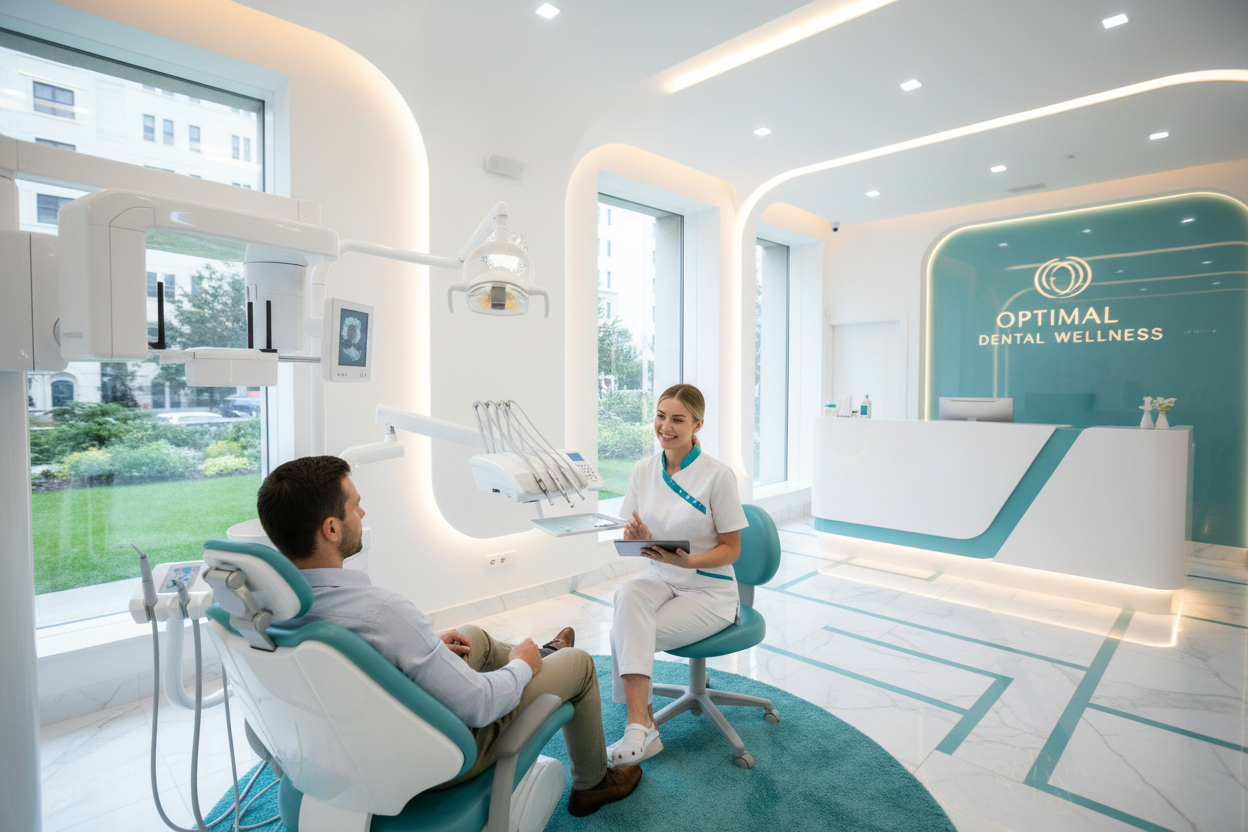
Images are illustrative only and do not depict actual patients.
The information provided in this article is for general informational purposes only and does not constitute medical advice. Aurevon Health is an international medical tourism intermediary and is not a healthcare provider. We do not diagnose, treat, or recommend specific medical procedures or treatments for individuals. Always consult a qualified medical professional before making decisions about your healthcare. Individual outcomes vary and cannot be guaranteed.