Back
Medical Tourism

A Founder's Note: Why Learning Must Stay Part of the Work

Lee Tuck reflects on why continuous learning, honest revision and clear boundaries matter as Aurevon Health grows.
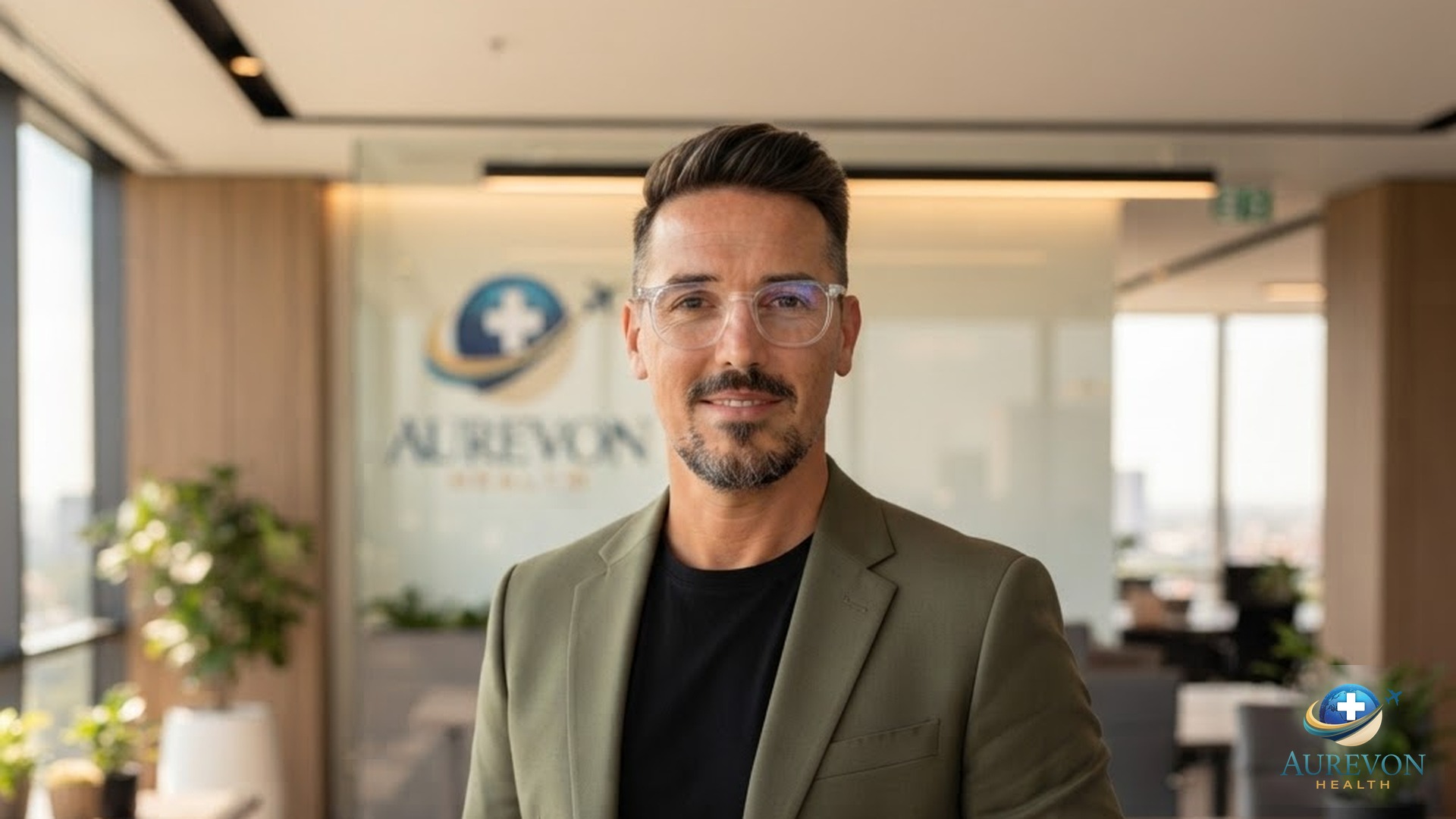
Lee Tuck24 September 20266 min read
A Founder's Note: Why Learning Must Stay Part of the Work

When you build a company connected to healthcare, learning cannot be an occasional exercise. It has to become part of the way you work. At Aurevon Health, we are still a young organisation, and that gives us a responsibility to keep asking what we understand, what we have not understood well enough, and what we should improve next.

A young company should stay curious

Aurevon launched in 2026. That means I cannot point to decades of history and ask people to trust us because of our age. I would rather be honest about where we are and show how we approach the work. A young company has the chance to build good habits deliberately, before convenience turns them into assumptions.

Learning begins with accepting that a first version is rarely a final version. A piece of information may be clear to the person who wrote it and confusing to the person reading it. A provider description may need more context. A page may answer one question while leaving another unanswered. These are not reasons to become defensive. They are reasons to look again.

In medical travel, the cost of misunderstanding can be serious. People may be making decisions about health, money, travel and time away from home. We should not treat a question as an interruption to a process. The question is often the most useful sign that the information needs to be clearer.

What learning means in practice

For us, learning means listening carefully to the points where people hesitate. It means noticing when a sentence could be read as a promise, even if that was not the intention. It means checking whether a description makes our role clear. Aurevon Health is an intermediary. We connect people with independently licensed and accredited healthcare providers across our European markets. We are not a healthcare provider and we do not make clinical decisions.

It also means improving the questions we put in front of people. A useful question might concern professional registration, facility standards, what a quotation includes, or who is responsible for explaining clinical risks and alternatives. Those questions belong in the right conversation with the relevant provider and qualified healthcare professionals. Our role is not to replace that conversation.

There is a practical discipline behind this. We review language, check claims, remove unnecessary certainty and try to distinguish information from interpretation. When we find that something is too broad, we narrow it. When a word could suggest a service we do not offer, we change it. Good communication is often the result of several quiet corrections.

The value of changing your mind

Some business cultures treat changing your mind as weakness. I see it differently. Changing your mind after learning something important can be a sign that the process is working. The danger is not revision. The danger is holding on to an old view simply because it has already been written, designed or approved.

That does not mean changing direction every time someone expresses a preference. Decisions still need evidence and a clear purpose. But evidence can come from many places: careful review, professional feedback, questions from readers, conversations with providers and the experience of trying to explain something plainly. Each source can reveal a gap in our thinking.

I want Aurevon to develop a culture where people can raise a concern early. If a claim needs a source, say so. If a page creates confusion, explain where. If a process adds work without helping the person using it, examine it. A business becomes more dependable when its people are allowed to identify problems before those problems become part of the public experience.

Learning without making clinical claims

There is an important boundary here. We can learn about communication, provider information, travel practicalities and the questions people need to ask. We cannot turn that learning into a personal medical opinion. Clinical decisions must remain with the licensed healthcare professionals at the relevant partner facility.

That boundary protects everyone. A person considering treatment deserves advice that reflects their own circumstances, examination and medical history. A general article cannot provide that. Nor should an intermediary present general information as a recommendation. We can help make the path easier to understand, while leaving diagnosis, treatment and suitability to qualified clinicians.

This is also why we avoid promises about outcomes. Individual experiences differ, and responsible information should leave room for uncertainty. A clear explanation of what is known, what is not known and who can answer the next question is more useful than a confident sentence that goes further than the evidence.

What I want Aurevon to become

My hope is that Aurevon becomes more thoughtful as it grows, not simply larger. Growth can bring resources, but it can also create pressure to simplify everything into a quick message. I want us to resist that pressure when simplification would hide something important.

That means treating patients as thoughtful adults. People considering medical travel can compare providers, ask direct questions and take time to understand the practical details. They should not be rushed by language designed to create urgency where none is justified. They should be able to see the limits of our role as clearly as the areas where we can provide useful information.

It also means treating our provider relationships professionally. Independent clinics and hospitals deserve accurate descriptions, just as patients deserve accurate information about them. We should not turn an accreditation into a vague badge or suggest that one facility is suitable for every person. Trust is built through precision, not decoration.

A promise to keep learning

I cannot promise that Aurevon will never make a mistake. I can promise that we should take mistakes seriously, correct them when we find them and learn enough to reduce the chance of repeating them. That is a more honest commitment than pretending a young company has already perfected every process.

The work ahead will involve many small improvements. A clearer explanation here. A better question there. A more careful distinction between our role and the role of a clinician. None of these changes may look dramatic on its own, but together they shape the experience people have when they are trying to make a serious decision.

Learning is not a campaign line for us. It is a way of remaining responsible. I want Aurevon to earn confidence through the quality of its attention, the honesty of its boundaries and its willingness to improve. That is the standard I will keep bringing back to the work.

Frequently Asked Questions

What does Aurevon Health do?

Aurevon Health is a Malta headquartered medical tourism intermediary. We connect people with independently licensed and accredited healthcare providers across our European markets. We provide general information about our role, destinations and provider relationships, but we are not a healthcare provider and do not diagnose, treat or recommend medical procedures.

Does Aurevon Health provide medical advice?

No. Clinical decisions must be made by qualified healthcare professionals who can assess an individual person properly. Aurevon can help explain its intermediary role and encourage useful questions, but it cannot replace a clinical consultation, offer a diagnosis or decide whether a treatment is suitable for someone.

Why is learning important in medical travel?

Medical travel involves health decisions alongside financial and practical planning. Clear information can help a person understand what remains uncertain and which questions should be directed to a provider or clinician. Ongoing learning helps an intermediary identify confusing language, correct unsupported claims and communicate its boundaries more responsibly.

Can information on a website replace a consultation?

No. Website information is general and cannot reflect a person’s medical history, examination or individual circumstances. A qualified healthcare professional should explain clinical options, risks and alternatives. Readers should treat online information as a starting point for questions rather than as a personal medical opinion or treatment recommendation.

How can patients make more informed questions?

People can ask who will make the clinical decision, which professional registrations apply, what facility standards can be verified, what a quotation includes and how practical arrangements are handled. They can request written information, compare sources and take time to speak with a qualified healthcare professional before making a decision.

The information provided in this article is for general informational purposes only and does not constitute medical advice. Aurevon Health is a medical tourism concierge service and is not a medical provider. We do not diagnose, treat, or recommend specific medical procedures or treatments for individuals. Always consult a qualified medical professional before making any decisions about your health or healthcare. Individual outcomes vary and cannot be guaranteed. Aurevon Health does not endorse or guarantee the services of any specific clinic, hospital, or healthcare provider.
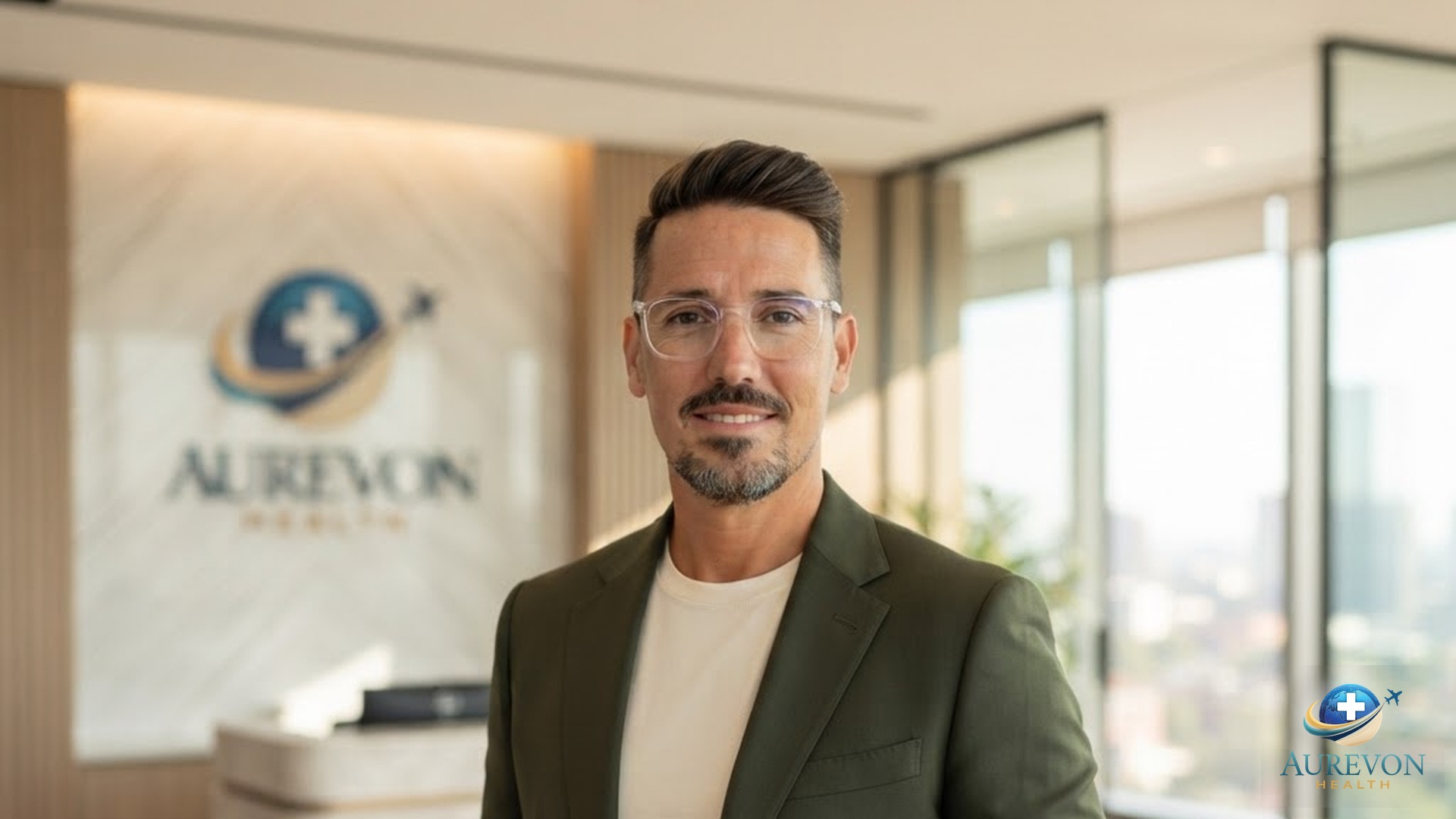

Founder's Note

Ready to Explore Your Medical Travel Options?

Submit a free, no-obligation enquiry and our team will personally manage your case.

More Founder's Posts

Explore

Destinations

We use cookies

We use essential and analytics cookies to improve your experience. By clicking "Accept", you consent to their use. See our Cookie Policy for details.

A Founder's Note: Why Learning Must Stay Part of the Work

When you build a company connected to healthcare, learning cannot be an occasional exercise. It has to become part of the way you work. At Aurevon Health, we are still a young organisation, and that gives us a responsibility to keep asking what we understand, what we have not understood well enough, and what we should improve next.

A young company should stay curious

Aurevon launched in 2026. That means I cannot point to decades of history and ask people to trust us because of our age. I would rather be honest about where we are and show how we approach the work. A young company has the chance to build good habits deliberately, before convenience turns them into assumptions.

Learning begins with accepting that a first version is rarely a final version. A piece of information may be clear to the person who wrote it and confusing to the person reading it. A provider description may need more context. A page may answer one question while leaving another unanswered. These are not reasons to become defensive. They are reasons to look again.

In medical travel, the cost of misunderstanding can be serious. People may be making decisions about health, money, travel and time away from home. We should not treat a question as an interruption to a process. The question is often the most useful sign that the information needs to be clearer.

What learning means in practice

For us, learning means listening carefully to the points where people hesitate. It means noticing when a sentence could be read as a promise, even if that was not the intention. It means checking whether a description makes our role clear. Aurevon Health is an intermediary. We connect people with independently licensed and accredited healthcare providers across our European markets. We are not a healthcare provider and we do not make clinical decisions.

It also means improving the questions we put in front of people. A useful question might concern professional registration, facility standards, what a quotation includes, or who is responsible for explaining clinical risks and alternatives. Those questions belong in the right conversation with the relevant provider and qualified healthcare professionals. Our role is not to replace that conversation.

There is a practical discipline behind this. We review language, check claims, remove unnecessary certainty and try to distinguish information from interpretation. When we find that something is too broad, we narrow it. When a word could suggest a service we do not offer, we change it. Good communication is often the result of several quiet corrections.

The value of changing your mind

Some business cultures treat changing your mind as weakness. I see it differently. Changing your mind after learning something important can be a sign that the process is working. The danger is not revision. The danger is holding on to an old view simply because it has already been written, designed or approved.

That does not mean changing direction every time someone expresses a preference. Decisions still need evidence and a clear purpose. But evidence can come from many places: careful review, professional feedback, questions from readers, conversations with providers and the experience of trying to explain something plainly. Each source can reveal a gap in our thinking.

I want Aurevon to develop a culture where people can raise a concern early. If a claim needs a source, say so. If a page creates confusion, explain where. If a process adds work without helping the person using it, examine it. A business becomes more dependable when its people are allowed to identify problems before those problems become part of the public experience.

Learning without making clinical claims

There is an important boundary here. We can learn about communication, provider information, travel practicalities and the questions people need to ask. We cannot turn that learning into a personal medical opinion. Clinical decisions must remain with the licensed healthcare professionals at the relevant partner facility.

That boundary protects everyone. A person considering treatment deserves advice that reflects their own circumstances, examination and medical history. A general article cannot provide that. Nor should an intermediary present general information as a recommendation. We can help make the path easier to understand, while leaving diagnosis, treatment and suitability to qualified clinicians.

This is also why we avoid promises about outcomes. Individual experiences differ, and responsible information should leave room for uncertainty. A clear explanation of what is known, what is not known and who can answer the next question is more useful than a confident sentence that goes further than the evidence.

What I want Aurevon to become

My hope is that Aurevon becomes more thoughtful as it grows, not simply larger. Growth can bring resources, but it can also create pressure to simplify everything into a quick message. I want us to resist that pressure when simplification would hide something important.

That means treating patients as thoughtful adults. People considering medical travel can compare providers, ask direct questions and take time to understand the practical details. They should not be rushed by language designed to create urgency where none is justified. They should be able to see the limits of our role as clearly as the areas where we can provide useful information.

It also means treating our provider relationships professionally. Independent clinics and hospitals deserve accurate descriptions, just as patients deserve accurate information about them. We should not turn an accreditation into a vague badge or suggest that one facility is suitable for every person. Trust is built through precision, not decoration.

A promise to keep learning

I cannot promise that Aurevon will never make a mistake. I can promise that we should take mistakes seriously, correct them when we find them and learn enough to reduce the chance of repeating them. That is a more honest commitment than pretending a young company has already perfected every process.

The work ahead will involve many small improvements. A clearer explanation here. A better question there. A more careful distinction between our role and the role of a clinician. None of these changes may look dramatic on its own, but together they shape the experience people have when they are trying to make a serious decision.

Learning is not a campaign line for us. It is a way of remaining responsible. I want Aurevon to earn confidence through the quality of its attention, the honesty of its boundaries and its willingness to improve. That is the standard I will keep bringing back to the work.

Frequently Asked Questions

What does Aurevon Health do?

Aurevon Health is a Malta headquartered medical tourism intermediary. We connect people with independently licensed and accredited healthcare providers across our European markets. We provide general information about our role, destinations and provider relationships, but we are not a healthcare provider and do not diagnose, treat or recommend medical procedures.

Does Aurevon Health provide medical advice?

No. Clinical decisions must be made by qualified healthcare professionals who can assess an individual person properly. Aurevon can help explain its intermediary role and encourage useful questions, but it cannot replace a clinical consultation, offer a diagnosis or decide whether a treatment is suitable for someone.

Why is learning important in medical travel?

Medical travel involves health decisions alongside financial and practical planning. Clear information can help a person understand what remains uncertain and which questions should be directed to a provider or clinician. Ongoing learning helps an intermediary identify confusing language, correct unsupported claims and communicate its boundaries more responsibly.

Can information on a website replace a consultation?

No. Website information is general and cannot reflect a person’s medical history, examination or individual circumstances. A qualified healthcare professional should explain clinical options, risks and alternatives. Readers should treat online information as a starting point for questions rather than as a personal medical opinion or treatment recommendation.

How can patients make more informed questions?

People can ask who will make the clinical decision, which professional registrations apply, what facility standards can be verified, what a quotation includes and how practical arrangements are handled. They can request written information, compare sources and take time to speak with a qualified healthcare professional before making a decision.

The information provided in this article is for general informational purposes only and does not constitute medical advice. Aurevon Health is a medical tourism concierge service and is not a medical provider. We do not diagnose, treat, or recommend specific medical procedures or treatments for individuals. Always consult a qualified medical professional before making any decisions about your health or healthcare. Individual outcomes vary and cannot be guaranteed. Aurevon Health does not endorse or guarantee the services of any specific clinic, hospital, or healthcare provider.