Digital Planning and Imaging in Modern Orthopaedic Care
Explore how imaging, digital planning and communication can support orthopaedic care planning abroad, with questions patients can ask providers.
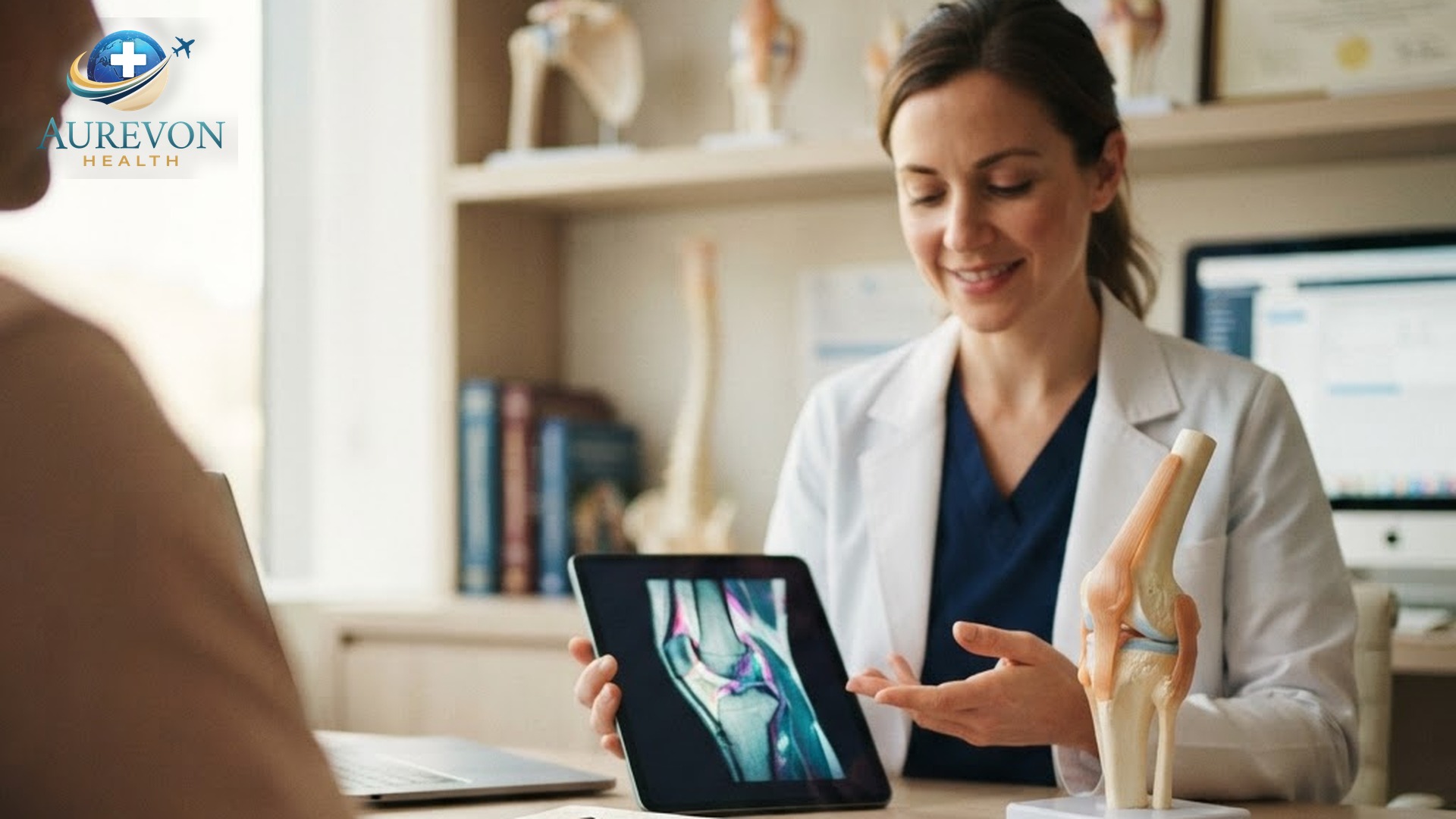
Digital imaging and planning tools can support communication between patients and orthopaedic teams, but technology does not replace clinical judgement. When considering treatment abroad, patients should ask how information is reviewed, who makes decisions and how technology fits into the wider care pathway.
What digital planning means
Digital planning may involve imaging, electronic records, measurement tools or models used to prepare for a procedure. The exact tools vary by treatment and provider. Their purpose is to help the clinical team understand the case and plan care, not to provide an automatic answer.
Images must be interpreted by qualified professionals in context. A scan alone does not create a diagnosis or determine suitability. Patients should be cautious of marketing that presents software as a guarantee of precision or outcome.
The most useful question is how the tool changes the conversation. Ask what the clinician has learned, what remains uncertain and how the plan would change if new information appeared.
Sharing information safely
Ask how imaging and medical information are transferred, stored and accessed. Patients should understand which organisation holds the information and whether they can receive copies for their own records. Consent and data protection arrangements matter particularly when information crosses borders.
If a provider requests scans, ask which format and date are acceptable and whether further assessment is likely. Do not assume that an old image answers every clinical question. The treating team decides what information is clinically adequate.
Keep a personal record of correspondence and documents. Clear filenames, dates and provider details reduce confusion when several organisations are involved. If anything is unclear, ask the clinic to explain it in plain language.
Technology and patient communication
A tablet, model or planning screen can make a consultation easier to follow, especially when a clinician explains anatomy or the proposed pathway. It should encourage questions, not shorten the conversation.
Patients should be given time to ask about alternatives, risks, recovery and what happens after discharge. Technology is useful when it supports informed consent. It is not useful when it becomes a sales display with no clinical explanation.
If remote communication is offered before travel, confirm whether it is administrative or clinical. Aurevon Health does not provide video consultations between patients and clinicians. Clinical discussions belong with the licensed provider.
Questions to ask a provider
Ask which imaging or planning technology is used and what purpose it serves. Ask who reviews the information and whether the clinician has completed a full assessment. Request an explanation of limitations as well as benefits.
Ask whether the planning output becomes part of the clinical record and how it is updated if the assessment changes. Also ask how information will be communicated to professionals at home if appropriate and authorised.
Finally, ask what is included in the quotation. Technology may be part of the clinical service or may be charged separately. Written clarity prevents misunderstandings.
Frequently Asked Questions
What is orthopaedic surgery abroad?
Orthopaedic surgery abroad means receiving care from a licensed provider in another country. The clinical team remains responsible for assessment, consent, treatment and follow up. An intermediary can help explain general planning information and connect patients with providers, but it cannot diagnose conditions or decide whether a procedure is suitable.
How should I compare orthopaedic clinics abroad?
Compare licensing, relevant accreditation, surgeon credentials, the proposed care pathway, communication arrangements and the full written cost. Ask what is included and what is excluded. Review independent information and discuss your circumstances with a qualified clinician before making a decision.
Are prices lower for orthopaedic treatment abroad?
Costs may be lower than equivalent private rates in some European markets, but comparisons are only useful when the same scope of care is included. Check whether consultation, imaging, hospital fees, implants, accommodation, travel and follow up are separate. No price should be treated as a guarantee of value or outcome.
What questions should I ask before travelling for surgery?
Ask who will assess you, who will perform the procedure, what qualifications and accreditation apply, how complications are managed, how long you may need to remain nearby and who receives your clinical records. Ask for answers in writing and allow time to seek independent medical advice.
Does Aurevon Health provide medical advice?
No. Aurevon Health is an international medical tourism intermediary, not a healthcare provider. It does not diagnose conditions, recommend procedures or assess suitability. Clinical decisions are made exclusively by licensed professionals at partner facilities, after they have reviewed the patient clinically.
Images are illustrative only and do not depict actual patients.
The information provided in this article is for general informational purposes only and does not constitute medical advice. Aurevon Health is an international medical tourism intermediary and is not a healthcare provider. We do not diagnose, treat, or recommend specific medical procedures or treatments for individuals. Always consult a qualified medical professional before making decisions about your healthcare. Individual outcomes vary and cannot be guaranteed.