A Founder's Note: Why Accreditation Matters More Than Marketing
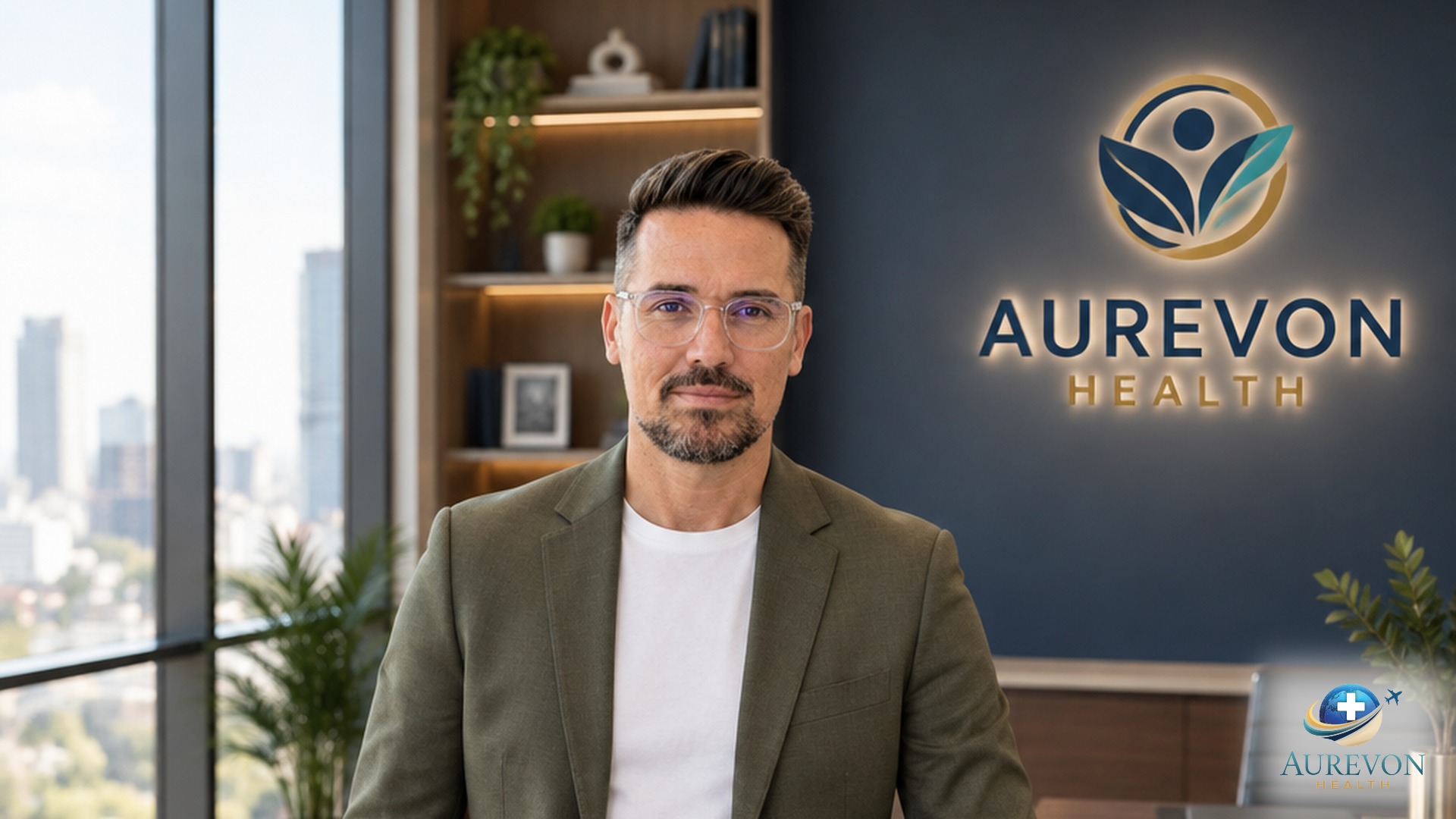
Lee Tuck, founder of Aurevon Health, explains how to verify clinic accreditation and surgeon credentials yourself, and why proof must always be earned.

Every clinic website you will ever visit shows you badges. Accreditation logos, awards, memberships, seals of approval. Some of them mean a great deal. Some of them mean almost nothing. Today I want to explain the difference, because learning to read those badges properly is one of the most powerful skills you can bring to a decision about treatment abroad.
What Accreditation Actually Is
Accreditation, done properly, is an external audit. An independent body visits a facility, inspects its systems, its governance, its infection control, its equipment, its staffing and its records, and certifies that it meets a published standard. The key word is independent. A genuine accreditation is earned through scrutiny the clinic cannot control, from people the clinic does not pay for the privilege of passing.
That is why accreditations from established international bodies carry real weight. They are not a guarantee of perfection, and you should never treat them as one. What they tell you is that the facility has opened its doors to outside inspection, repeatedly, and met a standard that is written down somewhere you can read it. In an industry where anyone can build a beautiful website in a weekend, that kind of verifiable scrutiny is worth more than any testimonial.
And that is the entire reason I care about it. Marketing is what a clinic says about itself. Accreditation is what an independent organisation says about a clinic. When the two disagree, believe the accreditation.
How to Verify It Yourself
Here is the part most people skip, and it takes five minutes. Do not verify accreditation on the clinic's website. Verify it on the accreditor's website. Every legitimate accrediting body keeps a public directory of the facilities it has accredited. Find the body, find the directory, search the clinic, and check that the listing is current and matches the name and location you have been given.
While you are there, read a little about what the standard actually covers. Some accreditations are narrow, covering a single specialty or process. Some are broad, covering the whole organisation. Neither is automatically better, but you should know which you are looking at, because a facility with a narrow certification should be happy to explain exactly what it covers and what it does not. Evasion on that question is a red flag in itself.
The same discipline applies to individual surgeons. Registration with a national medical council is usually public and searchable. It takes minutes to confirm that the person who will perform your procedure is who the website says they are, registered and in good standing. Do it every time, for every provider, without exception.
What Accreditation Does Not Tell You
I want to be equally honest about the limits. Accreditation does not tell you that a particular surgeon is right for you. It does not tell you about bedside manner, or how the clinic behaves when something goes wrong, or whether their aftercare planning matches their marketing. There are accredited facilities I would not personally recommend, and there are superb teams working in modest buildings. Standards are a floor, not a ceiling.
So use accreditation the way I do: as a filter, never as a finish line. It removes the providers who cannot even pass independent inspection, and it lets you spend your energy comparing the ones who can. From there, the questions we have discussed in earlier notes still apply: written quotations, named surgeons, honest answers about revisions and follow up. Accreditation earns a clinic the conversation. Only its answers earn your booking.
If a facility ever implies that accreditation alone should settle your decision, treat that as an odd thing to say. The best providers are proud of their accreditations and slightly embarrassed by them too, because they know good medicine is proved daily, not annually.
The Standard I Hold
When I look at facilities on behalf of Aurevon Health, accreditation and verifiable credentials are where the conversation begins, not ends. If a provider cannot evidence independent inspection and properly registered clinicians, nothing else they say matters to me, however impressive the brochure. That is not a high bar. It is the minimum bar, and I would rather disappoint a facility than disappoint a patient.
So when you are comparing providers, do the same. Ask which accreditations they hold, who awarded them, and when they were last renewed. Then check them yourself, on the accreditor's own site. If you want help interpreting what you find, use the chat on our website and tell us what you have been shown. We will help you read it honestly, with no obligation and no pressure, as always.
Badges are easy. Proof is earned. Learn to tell the difference and you will never be fooled by a website again.
Frequently Asked Questions
How do I check if a clinic abroad is properly accredited?
Find the accrediting organisation's own website and search their public directory for the clinic by name and location. Confirm the accreditation is current and matches the facility you are considering. Never rely solely on the logos displayed on the clinic's own site, because a logo shows only what the clinic wants you to see, not what the accreditor has verified.
Is international accreditation really necessary for a good clinic?
Necessary is perhaps too strong, but genuinely meaningful. Many excellent clinics hold international accreditation, and it provides evidence of independent, repeated inspection against a published standard. A clinic without it may still be good, but you will need to verify far more yourself. Accreditation does not replace your questions, it earns them.
What is the difference between clinic accreditation and surgeon credentials?
Clinic accreditation assesses the organisation: systems, facilities, safety standards and governance. Surgeon credentials concern the individual: registration, training and standing with a national medical council. Both matter and both are separately verifiable. A great surgeon in an unsafe facility is a bad combination, and so is a beautiful facility around an unregistered surgeon.
Can accreditation tell me if the clinic is right for my specific treatment?
Not by itself. Accreditation confirms a facility meets independent organisational standards, but it cannot tell you whether a particular surgeon or treatment suits your situation. Use it as a filter to remove unsafe providers, then ask your specific questions: named surgeon, written quotation, revision policy and follow up arrangements. Proof earns the conversation; answers earn the booking.
Will Aurevon Health help me verify a clinic's accreditation?
Yes, gladly. Use the chat on our website, tell us the clinic and the accreditations they have shown you, and we will help you understand what each one actually covers and how to verify it independently. There is no obligation and no pressure. We would rather you make a safe, informed decision than a fast one, whoever you ultimately choose for your care.
The information provided in this article is for general informational purposes only and does not constitute medical advice. Aurevon Health is a medical tourism concierge service and is not a medical provider. We do not diagnose, treat, or recommend specific medical procedures or treatments for individuals. Always consult a qualified medical professional before making any decisions about your health or healthcare. Individual outcomes vary and cannot be guaranteed. Aurevon Health does not endorse or guarantee the services of any specific clinic, hospital, or healthcare provider.