Back
Medical Tourism

A Founder's Note: Bariatric Surgery, Honestly

Lee Tuck, founder of Aurevon Health, on weight loss surgery abroad: honest preparation, lifelong follow up and choosing a programme, not just an operation.
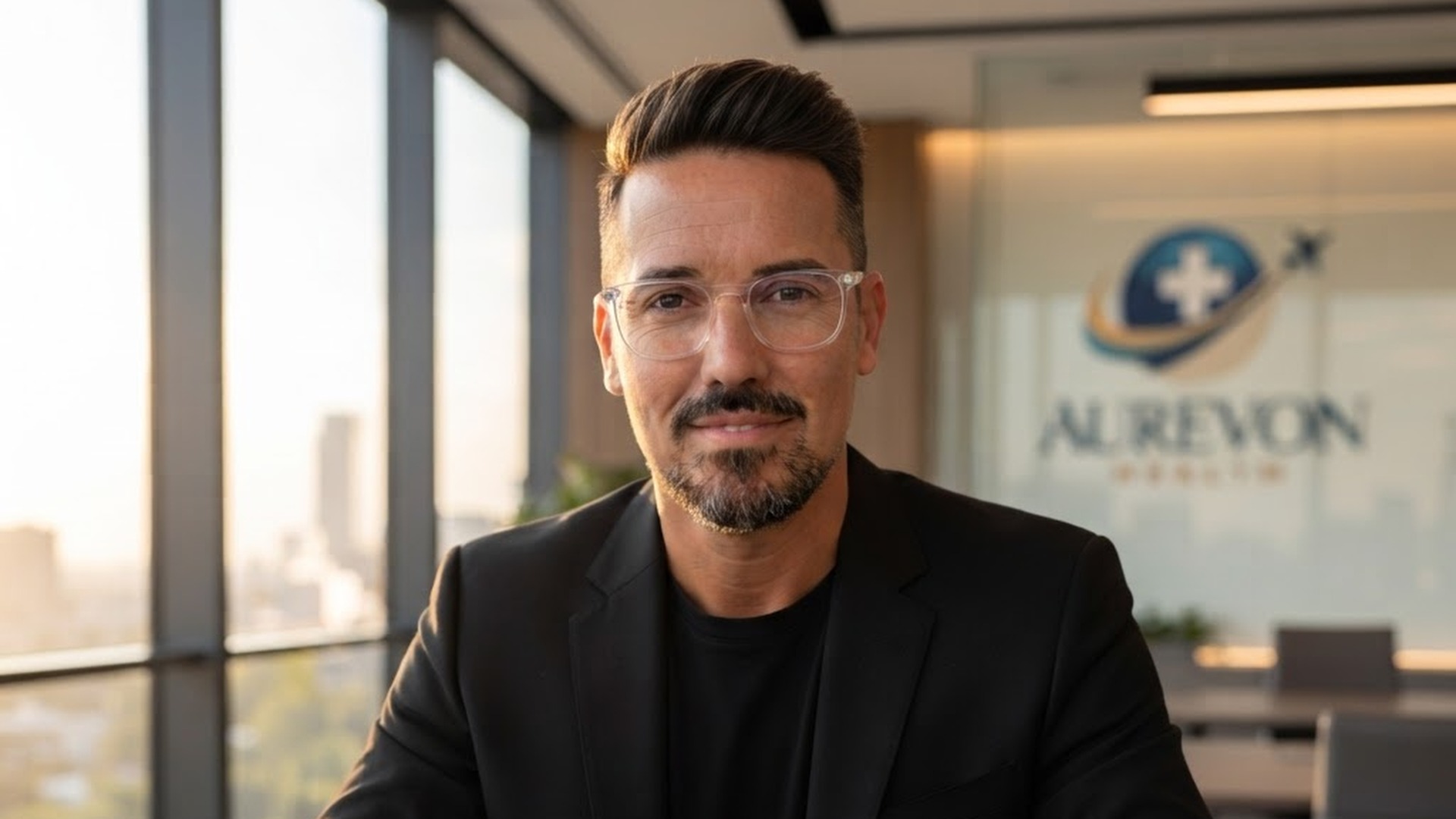
Lee Tuck29 June 20266 min read
A Founder's Note: Bariatric Surgery, Honestly

Weight loss surgery occupies a unique place in medical travel. It is one of the most common procedures patients travel for, one of the most transformative when it goes well, and one of the most misunderstood by the people considering it. Today I want to give bariatric surgery the honest conversation it deserves, the one I would have with a friend who asked me over coffee, because this category more than any other punishes shortcuts and rewards preparation.

Important: Bariatric surgery involves significant medical complexity. Treatment decisions must be made in full consultation with qualified medical professionals following a thorough clinical assessment. Aurevon Health provides access to licensed facilities only, we do not provide clinical assessments, medical opinions, or recommendations regarding suitability for any procedure.

The Preparation Is the Treatment

Here is the sentence that took me the longest to understand, and it is the most important one in this note: bariatric surgery is not an event, it is a lifestyle change performed surgically. The operation is a tool, a powerful one, but the outcome is built by what happens around it: the assessment that establishes suitability, the pre operative preparation, the dietary changes before and after, the vitamin and mineral plan for life, the follow up that continues for years. Clinical literature is consistent that long term outcomes depend heavily on structured follow up and sustained behaviour change, not on the hour in the theatre.

That reality changes what you should look for when considering bariatric surgery abroad. A provider who prices only the operation and treats everything else as optional is not offering you bariatric care, they are offering you a surgical hour. The programmes worth travelling for are the ones with a written pathway: a thorough assessment, dietetic support before and after, a clear nutrition plan, scheduled reviews, and honest language about what your own commitment will look like for the rest of your life.

It also changes the question you should ask yourself. The right question is not who will operate on me, it is who will look after me for the years after, and how will that work from another country. Arrange the answer before the deposit, not after.

Honest Words About the Hard Parts

I promised honesty, so here are the parts the marketing omits. Recovery from bariatric surgery is a real recovery, with discomfort, a staged liquid and soft food progression, and fatigue in the early weeks. The dietary changes are permanent, not a diet you finish, and they come with real requirements around protein, hydration and lifelong supplementation, because reduced intake affects nutrition as well as weight. Some patients experience hair thinning in the months after rapid weight loss. Some experience loose skin as the body changes. These are not failures, they are the ordinary territory of the journey, and the patients who know about them in advance handle them calmly.

There are also emotional dimensions that deserve respect. Food is social, cultural and psychological, and surgery changes the relationship with it permanently. The best programmes support that adjustment, not just the biology. If a provider treats the psychological side as irrelevant, they are selling a smaller stomach rather than a bigger life, and the difference matters.

And one more hard word: this is not a route for everyone. Suitability is clinical, it depends on your history, your assessments and your circumstances, and no honest provider or intermediary can tell you that you are a candidate. The ones who tell everyone yes are telling you what they think about your safety, and it is not flattering.

Choosing a Provider for the Long Term

So how do you choose well? Look for multidisciplinary teams, surgeons working with dietitians and physicians rather than alone, and facilities with accreditation and proper intensive care access, because this is major abdominal surgery and deserves the infrastructure of one. Look for written, itemised quotes that include the follow up programme and supplementation plan, not just the operation. Look for providers who insist on thorough assessment before quoting a price or a date, because assessment first is the culture you want in a category where suitability is everything.

Ask what happens after you fly home: what the nutrition plan looks like, who reviews your progress, how your own doctor fits in, and what the provider does if a concern appears two years later. Long term programmes answer long term questions easily, because the answers are their product. Transactional providers cannot answer them, because they never wrote them.

Finally, involve your own doctor from the beginning. Bariatric surgery benefits from local medical partnership more than almost any other category, because the follow up is lifelong and most of it happens where you live.

Where We Come In

Aurevon Health does not assess suitability, recommend procedures or provide bariatric care, and we never will, because those belong to clinicians. What we do is help patients find providers whose pathway is real: multidisciplinary teams, written programmes, honest language, and follow up structures that survive the flight home. We also insist on the elevated disclaimers above, because a category this consequential deserves them.

If you are considering weight loss surgery abroad and want help framing the long term questions before you commit, use the chat on our website. Tell us where you are in your thinking, and we will help you prepare properly, with no obligation and no pressure, as always. Bariatric surgery changes lives when it is built properly. Make sure the foundation gets as much attention as the transformation.

Frequently Asked Questions

Is bariatric surgery abroad a reasonable option?

It can be, at accredited facilities with multidisciplinary teams and a written long term pathway, including dietetic support, nutrition plans, supplementation and scheduled reviews. Because outcomes depend heavily on structured follow up and sustained change rather than the operation alone, choose the whole programme, not the surgical hour. Suitability is clinical and can only be established by qualified professionals after thorough assessment.

What does recovery from weight loss surgery involve?

A real recovery: discomfort in the early weeks, a staged progression from liquids to soft foods to normal textures, and fatigue while the body adjusts. The dietary changes are permanent, not a diet you finish, with ongoing requirements around protein, hydration and lifelong vitamin and mineral supplementation, because reduced intake affects nutrition as well as weight. Knowing the ordinary challenges in advance helps patients handle them calmly.

How long is the follow up after bariatric surgery?

Properly, it is long term, continuing for years, because this is a lifestyle change performed surgically rather than an isolated event. Before committing, ask who reviews your progress, what the nutrition and supplementation plan looks like, how your own doctor is involved, and what the provider does if a concern appears two years later. Programmes with real pathways answer easily. Providers who cannot answer never wrote the plan.

Will bariatric surgery guarantee weight loss?

No, and no honest provider or intermediary will promise that it does. The surgery is a powerful tool, but outcomes depend on the assessment, the programme and your sustained commitment to the dietary and lifestyle changes around it. Clinical literature consistently emphasises that individual results vary significantly and that long term success depends on follow up and behaviour rather than the operation alone. Treat any guarantee as a disqualification.

What should a bariatric quote abroad include?

Thorough assessment before any price or date, the operation and anaesthesia, dietetic support before and after, the nutrition and supplementation plan, scheduled reviews, and clear terms for longer stays and revisions. It should be written, itemised and in your language. A quote that prices only the operation while treating the follow up programme as optional is not offering bariatric care, only a surgical hour.

The information provided in this article is for general informational purposes only and does not constitute medical advice. Aurevon Health is a medical tourism concierge service and is not a medical provider. We do not diagnose, treat, or recommend specific medical procedures or treatments for individuals. Always consult a qualified medical professional before making any decisions about your health or healthcare. Individual outcomes vary and cannot be guaranteed. Aurevon Health does not endorse or guarantee the services of any specific clinic, hospital, or healthcare provider.


Founder's Noteweight loss surgery abroadbariatric surgery follow upmedical tourismLee Tuck

Ready to Explore Your Medical Travel Options?

Submit a free, no-obligation enquiry and our team will personally manage your case.

More Founder's Posts

Explore

Destinations

We use cookies

We use essential and analytics cookies to improve your experience. By clicking "Accept", you consent to their use. See our Cookie Policy for details.

A Founder's Note: Bariatric Surgery, Honestly

Weight loss surgery occupies a unique place in medical travel. It is one of the most common procedures patients travel for, one of the most transformative when it goes well, and one of the most misunderstood by the people considering it. Today I want to give bariatric surgery the honest conversation it deserves, the one I would have with a friend who asked me over coffee, because this category more than any other punishes shortcuts and rewards preparation.

Important: Bariatric surgery involves significant medical complexity. Treatment decisions must be made in full consultation with qualified medical professionals following a thorough clinical assessment. Aurevon Health provides access to licensed facilities only, we do not provide clinical assessments, medical opinions, or recommendations regarding suitability for any procedure.

The Preparation Is the Treatment

Here is the sentence that took me the longest to understand, and it is the most important one in this note: bariatric surgery is not an event, it is a lifestyle change performed surgically. The operation is a tool, a powerful one, but the outcome is built by what happens around it: the assessment that establishes suitability, the pre operative preparation, the dietary changes before and after, the vitamin and mineral plan for life, the follow up that continues for years. Clinical literature is consistent that long term outcomes depend heavily on structured follow up and sustained behaviour change, not on the hour in the theatre.

That reality changes what you should look for when considering bariatric surgery abroad. A provider who prices only the operation and treats everything else as optional is not offering you bariatric care, they are offering you a surgical hour. The programmes worth travelling for are the ones with a written pathway: a thorough assessment, dietetic support before and after, a clear nutrition plan, scheduled reviews, and honest language about what your own commitment will look like for the rest of your life.

It also changes the question you should ask yourself. The right question is not who will operate on me, it is who will look after me for the years after, and how will that work from another country. Arrange the answer before the deposit, not after.

Honest Words About the Hard Parts

I promised honesty, so here are the parts the marketing omits. Recovery from bariatric surgery is a real recovery, with discomfort, a staged liquid and soft food progression, and fatigue in the early weeks. The dietary changes are permanent, not a diet you finish, and they come with real requirements around protein, hydration and lifelong supplementation, because reduced intake affects nutrition as well as weight. Some patients experience hair thinning in the months after rapid weight loss. Some experience loose skin as the body changes. These are not failures, they are the ordinary territory of the journey, and the patients who know about them in advance handle them calmly.

There are also emotional dimensions that deserve respect. Food is social, cultural and psychological, and surgery changes the relationship with it permanently. The best programmes support that adjustment, not just the biology. If a provider treats the psychological side as irrelevant, they are selling a smaller stomach rather than a bigger life, and the difference matters.

And one more hard word: this is not a route for everyone. Suitability is clinical, it depends on your history, your assessments and your circumstances, and no honest provider or intermediary can tell you that you are a candidate. The ones who tell everyone yes are telling you what they think about your safety, and it is not flattering.

Choosing a Provider for the Long Term

So how do you choose well? Look for multidisciplinary teams, surgeons working with dietitians and physicians rather than alone, and facilities with accreditation and proper intensive care access, because this is major abdominal surgery and deserves the infrastructure of one. Look for written, itemised quotes that include the follow up programme and supplementation plan, not just the operation. Look for providers who insist on thorough assessment before quoting a price or a date, because assessment first is the culture you want in a category where suitability is everything.

Ask what happens after you fly home: what the nutrition plan looks like, who reviews your progress, how your own doctor fits in, and what the provider does if a concern appears two years later. Long term programmes answer long term questions easily, because the answers are their product. Transactional providers cannot answer them, because they never wrote them.

Finally, involve your own doctor from the beginning. Bariatric surgery benefits from local medical partnership more than almost any other category, because the follow up is lifelong and most of it happens where you live.

Where We Come In

Aurevon Health does not assess suitability, recommend procedures or provide bariatric care, and we never will, because those belong to clinicians. What we do is help patients find providers whose pathway is real: multidisciplinary teams, written programmes, honest language, and follow up structures that survive the flight home. We also insist on the elevated disclaimers above, because a category this consequential deserves them.

If you are considering weight loss surgery abroad and want help framing the long term questions before you commit, use the chat on our website. Tell us where you are in your thinking, and we will help you prepare properly, with no obligation and no pressure, as always. Bariatric surgery changes lives when it is built properly. Make sure the foundation gets as much attention as the transformation.

Frequently Asked Questions

Is bariatric surgery abroad a reasonable option?

It can be, at accredited facilities with multidisciplinary teams and a written long term pathway, including dietetic support, nutrition plans, supplementation and scheduled reviews. Because outcomes depend heavily on structured follow up and sustained change rather than the operation alone, choose the whole programme, not the surgical hour. Suitability is clinical and can only be established by qualified professionals after thorough assessment.

What does recovery from weight loss surgery involve?

A real recovery: discomfort in the early weeks, a staged progression from liquids to soft foods to normal textures, and fatigue while the body adjusts. The dietary changes are permanent, not a diet you finish, with ongoing requirements around protein, hydration and lifelong vitamin and mineral supplementation, because reduced intake affects nutrition as well as weight. Knowing the ordinary challenges in advance helps patients handle them calmly.

How long is the follow up after bariatric surgery?

Properly, it is long term, continuing for years, because this is a lifestyle change performed surgically rather than an isolated event. Before committing, ask who reviews your progress, what the nutrition and supplementation plan looks like, how your own doctor is involved, and what the provider does if a concern appears two years later. Programmes with real pathways answer easily. Providers who cannot answer never wrote the plan.

Will bariatric surgery guarantee weight loss?

No, and no honest provider or intermediary will promise that it does. The surgery is a powerful tool, but outcomes depend on the assessment, the programme and your sustained commitment to the dietary and lifestyle changes around it. Clinical literature consistently emphasises that individual results vary significantly and that long term success depends on follow up and behaviour rather than the operation alone. Treat any guarantee as a disqualification.

What should a bariatric quote abroad include?

Thorough assessment before any price or date, the operation and anaesthesia, dietetic support before and after, the nutrition and supplementation plan, scheduled reviews, and clear terms for longer stays and revisions. It should be written, itemised and in your language. A quote that prices only the operation while treating the follow up programme as optional is not offering bariatric care, only a surgical hour.

The information provided in this article is for general informational purposes only and does not constitute medical advice. Aurevon Health is a medical tourism concierge service and is not a medical provider. We do not diagnose, treat, or recommend specific medical procedures or treatments for individuals. Always consult a qualified medical professional before making any decisions about your health or healthcare. Individual outcomes vary and cannot be guaranteed. Aurevon Health does not endorse or guarantee the services of any specific clinic, hospital, or healthcare provider.