Back
Medical Tourism

The Best Question a Patient Ever Asked Me

Why the one question a patient asked about her clinic proposals changed how we think about trust, verification and honest healthcare marketing in medical.

Lee Tuck12 October 20266 min read
The Best Question a Patient Ever Asked Me

Earlier this year, a patient wrote to us with a question I have thought about almost every week since. She was planning a procedure abroad, she had three proposals from three clinics in two countries, and instead of asking which one was cheapest she asked something better: which of these documents would still make sense if everything went wrong?

That question, I believe, is the single most useful filter a patient can carry into medical travel. Anyone can look impressive on the day everything goes well. A proposal, a clinic and a team show their true quality in how they describe what happens when things do not go to plan.

What the Question Really Asks

Read a typical clinic proposal and you will find the treatment described in confident detail: the procedure, the stay, the package. What is often missing is everything that follows the word after. After the operation. After the flight home. After a question you only think of on day nine of your recovery. The proposals that survive the everything went wrong test are the ones that answer those questions before you ask them.

When we built Aurevon Health, we decided that our own communication had to pass the same filter. That is why we state plainly what we are: a medical tourism concierge service based in Malta that connects patients with independently licensed healthcare providers across Europe. We are not a healthcare provider, we do not give medical advice, and we do not pretend to make clinical decisions that belong to qualified doctors. Saying that clearly is not modesty. It is the foundation of trust.

The same principle drives our founder notes. If you have read a few of them, you will notice a pattern: we spend more time telling you what to verify than telling you what to book. That is deliberate. A patient who knows what to ask is safer than a patient who knows where to go, and our job is to make sure the first half of that sentence is true for as many people as possible.

Why Most Marketing Fails the Test

Think about the healthcare marketing you have seen this week. Guaranteed results. Success percentages with no source. Before and after photographs that flatter the clinic and flatter the camera. Discount windows that expire at midnight. Every one of those messages assumes the best day, and the best day is the easiest day to sell.

Now run the same advertisement through the everything went wrong question and watch it fall apart. What does a guaranteed result mean on a difficult day? What does a discount window mean when your assessment recommends waiting? Marketing that only works on the best day is marketing that abandons you on every other day, and in healthcare the other days are precisely when you need someone to have been honest with you.

We ban that kind of language in our own content. No guaranteed outcomes, no invented statistics, no pressure, no before and after comparisons. Some days I look at competitor advertising and wonder whether we are leaving money on the table. Then I remember the question from that patient, and I stop wondering. The table we are protecting is the one patients sit at when something went wrong, and it is worth more than any campaign.

The Documents That Tell the Truth

Let me make this practical. If you are comparing providers anywhere in the world, there are a handful of documents that reveal whether an organisation is built for the difficult days. The first is the written proposal itself: it should name the surgeon, the facility, the anaesthesia arrangements and the follow up, and it should be itemised in a currency you understand. The second is the revision or complications policy, which tells you what happens if the outcome needs attention later. The third is the follow up schedule, which tells you whether anyone expects to speak to you after you fly home.

If those documents exist and are willingly shared, you are looking at an organisation that has thought about the worst day and decided to be ready for it. If they are vague, or arrive only after a deposit, or differ every time you ask, you have your answer too. No one needs to tell you which is which. The paperwork speaks.

And when the paperwork is in another language, make it your own before you sign it. Translation is not an insult to a good clinic; it is the behaviour of a careful patient. Consent you understand is part of safe care, and any organisation that resists your understanding has failed a test you did not even have to set.

What This Looks Like Inside Aurevon

People sometimes ask me what a concierge company actually does if it does not provide care. The honest answer is that we work on the connective tissue. We help patients understand the landscape of European medical travel clearly: what verification looks like, what fair pricing conversations sound like, what rights you have when you cross borders inside Europe for treatment. Then we connect people to licensed providers, and those providers do the medicine.

That division of labour only works when it is stated out loud, which is why we keep repeating it. The day a patient believes we made a clinical recommendation because our marketing blurred the line is the day we have failed, whatever the outcome of their treatment. Clear boundaries are not a limitation on our service. They are the service.

We extend the same honesty to the providers in our network. We do not promise clinics that a listing with us means endorsement of their outcomes, because it does not and should not. A clinic earns trust the same way a patient does: with documents, with consistency and with behaviour on the difficult days that matches behaviour on the easy ones.

The Question I Ask My Team

Every team develops its own version of the patient's question, and ours has become a weekly ritual: would this still be true on a bad day? We ask it about a caption before it is published. We ask it about a blog article before it is uploaded. We ask it about a partner conversation before we describe what we can do. It is a small question, and it has quietly become the most valuable piece of editorial policy we own.

It also travels well. I would encourage you to borrow it, not because our version is special but because it costs nothing and catches almost everything. The clinic that answers your awkward email patiently will answer your difficult call patiently. The proposal that explains its exclusions clearly will explain its complications honestly. The organisation comfortable with your scrutiny before you pay is the organisation that will still be comfortable with your questions after.

That patient with the three proposals did choose a provider in the end. What struck me most was that she told us the deciding factor was not price, distance or even the procedure itself. It was that one team answered the question she never got to ask, because they had already put it in writing. Everything went well for her, as it does for most people. But she chose them because of how they would have behaved if it had not.

Frequently Asked Questions

What does Aurevon Health actually do?

Aurevon Health is a medical tourism concierge service headquartered in Malta. We connect patients with independently licensed and accredited healthcare providers across Europe and provide transparent information about medical travel. We are not a healthcare provider, we do not give medical advice, and all clinical decisions are made by qualified professionals at the facilities themselves.

How do I verify a clinic before travelling?

Ask for the surgeon's name and confirm their registration with the national medical council, check the facility licence and any international accreditation, and request an itemised written proposal naming what is included. Read the follow up and revision terms before the price. Providers comfortable with these questions before payment behave better after it.

Why does Aurevon publish its limitations so openly?

Because trust is built on honesty about what we are and are not. We do not diagnose, treat or recommend procedures, and saying so clearly protects patients from misunderstanding our role. A concierge service that blurs the line into clinical advice is failing the patient at the exact moment clarity matters most.

What should a written treatment proposal include?

A proposal should name the surgeon, facility and anaesthesia arrangements, itemise costs in a currency you understand, describe follow up reviews and the communication channel after you return home, and state the policy on complications and revisions. Documents that omit these sections describe only the best day, not the whole journey.

Are cost savings abroad real?

Prices for many procedures at licensed European facilities are often lower than equivalent private domestic rates, and the savings can be genuine. They should always be compared like for like: identical scope, itemised in euros, with travel and aftercare counted. Any specific saving depends on the provider, procedure and market, so verify rather than assume.

Who writes these notes?

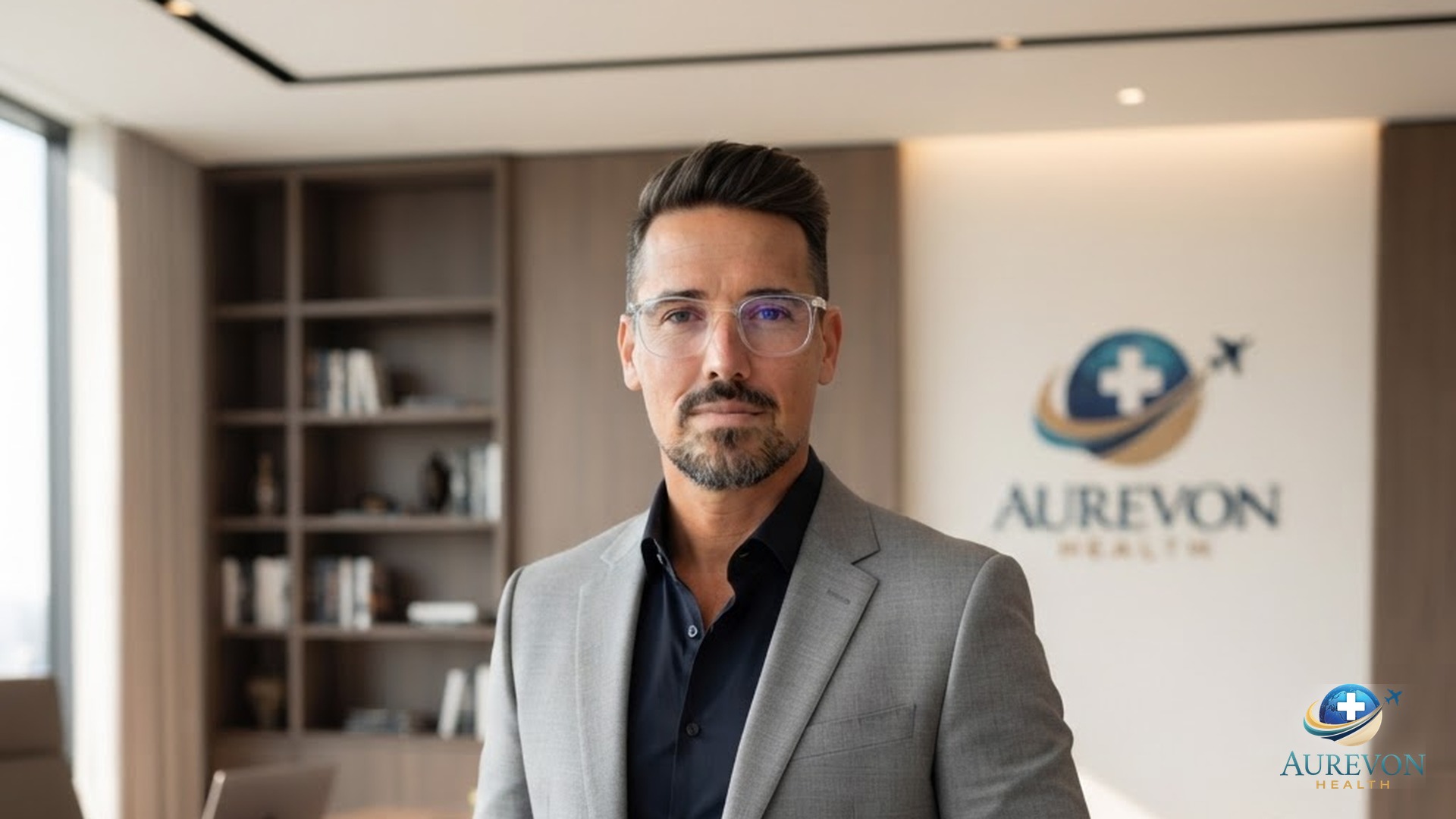
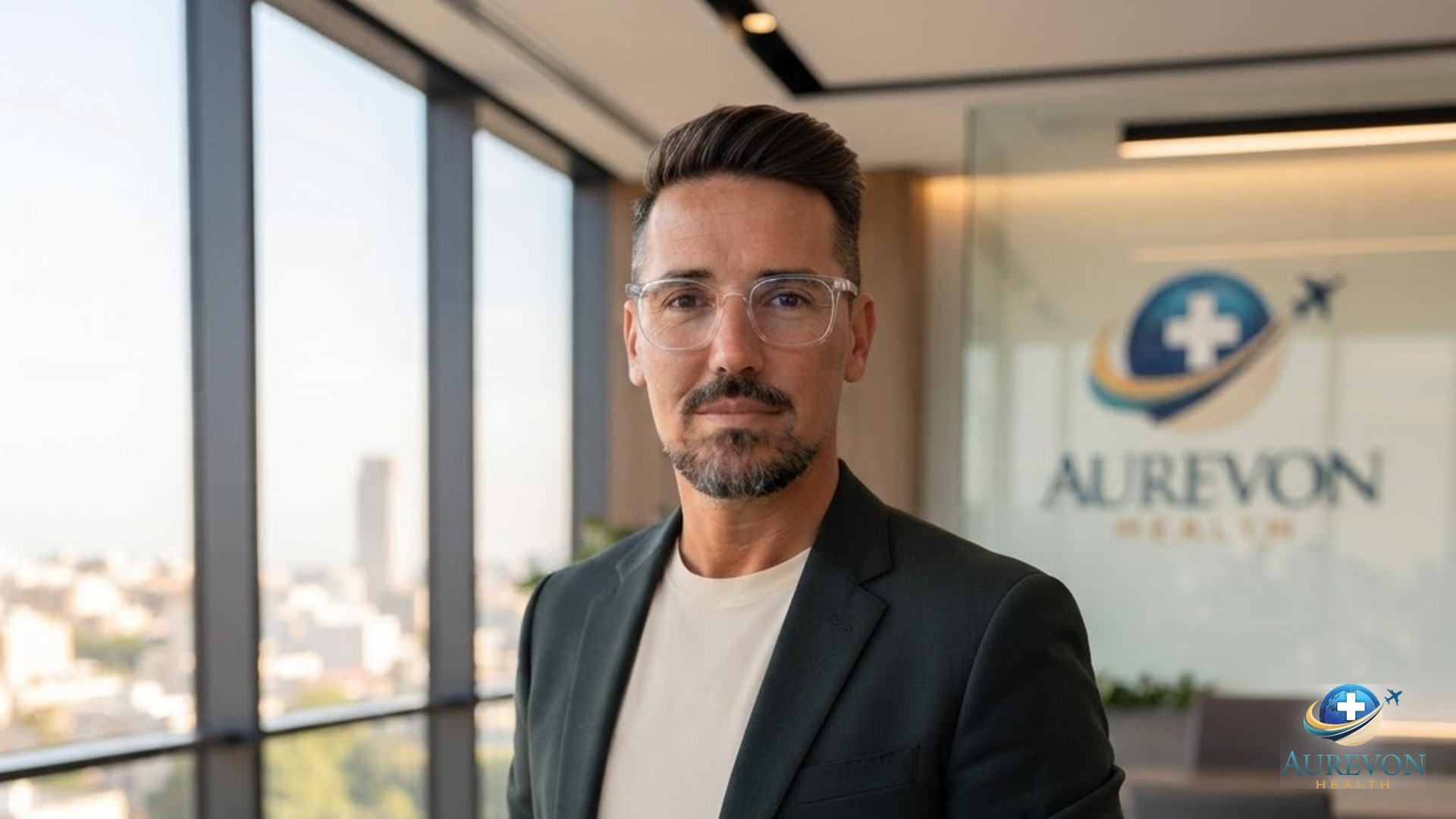
These notes are written by me, Lee Tuck, founder of Aurevon Health, to share how we think about medical travel, transparency and the responsibilities of connecting patients with care across borders. They are general commentary, not medical advice, and they are published twice each week alongside our informational articles.

The information provided in this article is for general informational purposes only and does not constitute medical advice. Aurevon Health is a medical tourism concierge service and is not a medical provider. We do not diagnose, treat, or recommend specific medical procedures or treatments for individuals. Always consult a qualified medical professional before making any decisions about your health or healthcare. Individual outcomes vary and cannot be guaranteed. Aurevon Health does not endorse or guarantee the services of any specific clinic, hospital, or healthcare provider.


Founder's Notemedical tourismpatient trusthealthcare transparencyaurevon health

Ready to Explore Your Medical Travel Options?

Submit a free, no-obligation enquiry and our team will personally manage your case.

More Founder's Posts

Explore

Destinations

We use cookies

We use essential and analytics cookies to improve your experience. By clicking "Accept", you consent to their use. See our Cookie Policy for details.

The Best Question a Patient Ever Asked Me

Earlier this year, a patient wrote to us with a question I have thought about almost every week since. She was planning a procedure abroad, she had three proposals from three clinics in two countries, and instead of asking which one was cheapest she asked something better: which of these documents would still make sense if everything went wrong?

That question, I believe, is the single most useful filter a patient can carry into medical travel. Anyone can look impressive on the day everything goes well. A proposal, a clinic and a team show their true quality in how they describe what happens when things do not go to plan.

What the Question Really Asks

Read a typical clinic proposal and you will find the treatment described in confident detail: the procedure, the stay, the package. What is often missing is everything that follows the word after. After the operation. After the flight home. After a question you only think of on day nine of your recovery. The proposals that survive the everything went wrong test are the ones that answer those questions before you ask them.

When we built Aurevon Health, we decided that our own communication had to pass the same filter. That is why we state plainly what we are: a medical tourism concierge service based in Malta that connects patients with independently licensed healthcare providers across Europe. We are not a healthcare provider, we do not give medical advice, and we do not pretend to make clinical decisions that belong to qualified doctors. Saying that clearly is not modesty. It is the foundation of trust.

The same principle drives our founder notes. If you have read a few of them, you will notice a pattern: we spend more time telling you what to verify than telling you what to book. That is deliberate. A patient who knows what to ask is safer than a patient who knows where to go, and our job is to make sure the first half of that sentence is true for as many people as possible.

Why Most Marketing Fails the Test

Think about the healthcare marketing you have seen this week. Guaranteed results. Success percentages with no source. Before and after photographs that flatter the clinic and flatter the camera. Discount windows that expire at midnight. Every one of those messages assumes the best day, and the best day is the easiest day to sell.

Now run the same advertisement through the everything went wrong question and watch it fall apart. What does a guaranteed result mean on a difficult day? What does a discount window mean when your assessment recommends waiting? Marketing that only works on the best day is marketing that abandons you on every other day, and in healthcare the other days are precisely when you need someone to have been honest with you.

We ban that kind of language in our own content. No guaranteed outcomes, no invented statistics, no pressure, no before and after comparisons. Some days I look at competitor advertising and wonder whether we are leaving money on the table. Then I remember the question from that patient, and I stop wondering. The table we are protecting is the one patients sit at when something went wrong, and it is worth more than any campaign.

The Documents That Tell the Truth

Let me make this practical. If you are comparing providers anywhere in the world, there are a handful of documents that reveal whether an organisation is built for the difficult days. The first is the written proposal itself: it should name the surgeon, the facility, the anaesthesia arrangements and the follow up, and it should be itemised in a currency you understand. The second is the revision or complications policy, which tells you what happens if the outcome needs attention later. The third is the follow up schedule, which tells you whether anyone expects to speak to you after you fly home.

If those documents exist and are willingly shared, you are looking at an organisation that has thought about the worst day and decided to be ready for it. If they are vague, or arrive only after a deposit, or differ every time you ask, you have your answer too. No one needs to tell you which is which. The paperwork speaks.

And when the paperwork is in another language, make it your own before you sign it. Translation is not an insult to a good clinic; it is the behaviour of a careful patient. Consent you understand is part of safe care, and any organisation that resists your understanding has failed a test you did not even have to set.

What This Looks Like Inside Aurevon

People sometimes ask me what a concierge company actually does if it does not provide care. The honest answer is that we work on the connective tissue. We help patients understand the landscape of European medical travel clearly: what verification looks like, what fair pricing conversations sound like, what rights you have when you cross borders inside Europe for treatment. Then we connect people to licensed providers, and those providers do the medicine.

That division of labour only works when it is stated out loud, which is why we keep repeating it. The day a patient believes we made a clinical recommendation because our marketing blurred the line is the day we have failed, whatever the outcome of their treatment. Clear boundaries are not a limitation on our service. They are the service.

We extend the same honesty to the providers in our network. We do not promise clinics that a listing with us means endorsement of their outcomes, because it does not and should not. A clinic earns trust the same way a patient does: with documents, with consistency and with behaviour on the difficult days that matches behaviour on the easy ones.

The Question I Ask My Team

Every team develops its own version of the patient's question, and ours has become a weekly ritual: would this still be true on a bad day? We ask it about a caption before it is published. We ask it about a blog article before it is uploaded. We ask it about a partner conversation before we describe what we can do. It is a small question, and it has quietly become the most valuable piece of editorial policy we own.

It also travels well. I would encourage you to borrow it, not because our version is special but because it costs nothing and catches almost everything. The clinic that answers your awkward email patiently will answer your difficult call patiently. The proposal that explains its exclusions clearly will explain its complications honestly. The organisation comfortable with your scrutiny before you pay is the organisation that will still be comfortable with your questions after.

That patient with the three proposals did choose a provider in the end. What struck me most was that she told us the deciding factor was not price, distance or even the procedure itself. It was that one team answered the question she never got to ask, because they had already put it in writing. Everything went well for her, as it does for most people. But she chose them because of how they would have behaved if it had not.

Frequently Asked Questions

What does Aurevon Health actually do?

Aurevon Health is a medical tourism concierge service headquartered in Malta. We connect patients with independently licensed and accredited healthcare providers across Europe and provide transparent information about medical travel. We are not a healthcare provider, we do not give medical advice, and all clinical decisions are made by qualified professionals at the facilities themselves.

How do I verify a clinic before travelling?

Ask for the surgeon's name and confirm their registration with the national medical council, check the facility licence and any international accreditation, and request an itemised written proposal naming what is included. Read the follow up and revision terms before the price. Providers comfortable with these questions before payment behave better after it.

Why does Aurevon publish its limitations so openly?

Because trust is built on honesty about what we are and are not. We do not diagnose, treat or recommend procedures, and saying so clearly protects patients from misunderstanding our role. A concierge service that blurs the line into clinical advice is failing the patient at the exact moment clarity matters most.

What should a written treatment proposal include?

A proposal should name the surgeon, facility and anaesthesia arrangements, itemise costs in a currency you understand, describe follow up reviews and the communication channel after you return home, and state the policy on complications and revisions. Documents that omit these sections describe only the best day, not the whole journey.

Are cost savings abroad real?

Prices for many procedures at licensed European facilities are often lower than equivalent private domestic rates, and the savings can be genuine. They should always be compared like for like: identical scope, itemised in euros, with travel and aftercare counted. Any specific saving depends on the provider, procedure and market, so verify rather than assume.

Who writes these notes?

These notes are written by me, Lee Tuck, founder of Aurevon Health, to share how we think about medical travel, transparency and the responsibilities of connecting patients with care across borders. They are general commentary, not medical advice, and they are published twice each week alongside our informational articles.

The information provided in this article is for general informational purposes only and does not constitute medical advice. Aurevon Health is a medical tourism concierge service and is not a medical provider. We do not diagnose, treat, or recommend specific medical procedures or treatments for individuals. Always consult a qualified medical professional before making any decisions about your health or healthcare. Individual outcomes vary and cannot be guaranteed. Aurevon Health does not endorse or guarantee the services of any specific clinic, hospital, or healthcare provider.