A Founder's Note: The Clinic Is Not a Hotel
Lee Tuck, founder of Aurevon Health, on why treatment abroad is not a holiday with a procedure attached, and how to plan your recovery days around the medicine.
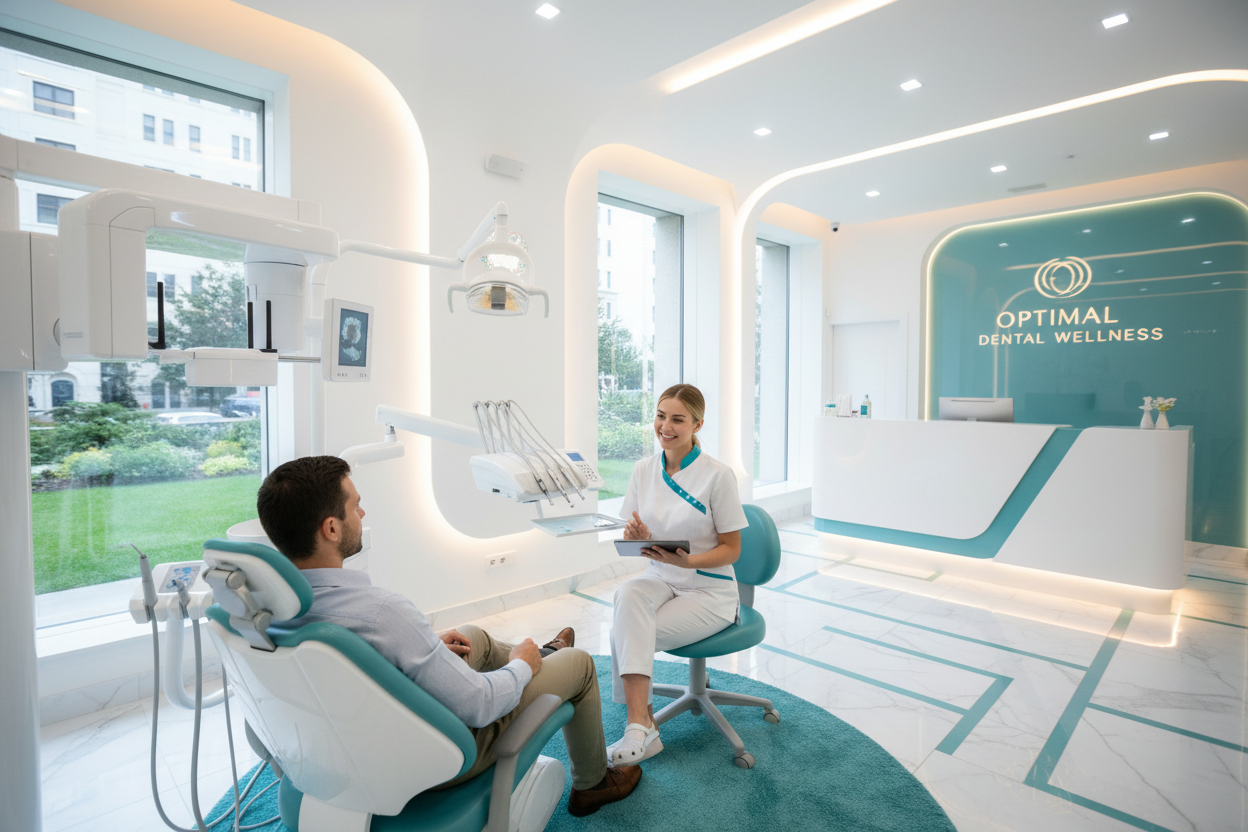
Every medical travel website shows you the same fantasy: a sparkling clinic, a sea view room, a smiling patient sipping coffee on a sunlit balcony. And those things can be part of your experience. But I want to correct a misconception I meet constantly, because it causes real disappointment and, occasionally, real harm. A clinic is not a hotel, and treatment abroad is not a holiday with a procedure attached. Understanding that distinction before you travel is the difference between a good experience and a frustrated one.
Why the Confusion Exists
The confusion is understandable. Medical travel combines two things we usually keep separate: healthcare and travel. The brochures lean into the travel half because it is the beautiful half, and before long patients arrive expecting resort hospitality with a surgical standard of medicine attached. The trouble is that hospitality and medicine obey different masters. A hotel exists to make you comfortable. A clinic exists to make you well, and comfort is welcome but secondary.
You see the difference most clearly in the small moments. A hotel happily adjusts to your schedule. A clinic adjusts to your biology. A hotel never wakes you at six in the morning. A clinic might, because observations wait for no one. A hotel would never restrict your breakfast. A clinic might, because your procedure requires an empty stomach. If you arrive expecting the first experience, the second can feel like poor service. It is not. It is medicine doing its job.
What You Should Actually Expect
Here is the honest version. You should expect clean, modern, professional facilities and staff who treat you with dignity and warmth, because those are standards, and good clinics meet them. You should expect clear information, honest timelines and clinicians who answer your questions properly. You should not expect the staff to function as a concierge, an entertainment programme or a travel agency. Their attention belongs to your safety, and everything else is decoration.
You should also expect the days around your treatment to be quieter than a holiday. Pre procedure days are often for rest and preparation, not excursions. Recovery days follow medical instructions, not itineraries. Many patients tell me the most enjoyable part of the trip was simply resting, walking gently when cleared to do so, and letting their body do its work without pressure. That is not a lesser experience. That is what a successful one looks like.
And a word about companions, because it connects: the best travel partner in a medical journey is the one who accepts that this week is not about sightseeing. Treat the destination as a backdrop for recovery, and you will enjoy both more.
The Danger of the Holiday Mindset
Now the serious part. The holiday mindset is not merely a disappointment risk, it is a health risk. Patients who treat recovery days as tourist days take on activity their body has not cleared. They sit in the sun against instructions, skip rest, drink things they should not, and then wonder why healing is slower than promised. I have read the post procedure instructions of many providers, and the ones worth travelling with are not bureaucratic. They are protective. Follow them the way you would follow a prescription.
Plan the holiday, by all means, but plan it around the medicine, not instead of it. Some patients extend their stay after their recovery window and enjoy the destination once cleared, and that is a lovely model. Others return for a dedicated holiday months later, fully healed, and enjoy it properly. The procedure does not have to be the holiday. It just has to go well.
The clinics I respect most are the ones who gently correct the fantasy themselves, telling patients plainly: come for the treatment, rest properly, and let the destination be the bonus rather than the point. That honesty is a feature, not a flaw.
How We Frame It at Aurevon Health
When we help someone plan a journey, we talk about phases: the preparation phase, the treatment phase, the recovery phase and the return home. Travel logistics serve those phases, never the reverse. If a patient tells me they are planning a busy itinerary three days after a significant procedure, I will say so, plainly, because my job is honest navigation, not agreement. And if a provider's marketing promises a resort experience that medicine cannot honestly deliver, that tells you something about how they will behave about other truths later.
If you are planning a trip and want a calm second look at your itinerary against your recovery window, use the chat on our website. Tell us the treatment and the plan, and we will help you sanity check the sequence. No obligation, no pressure, as always.
Go for the care. Let the sunshine be a pleasant side effect. That order of priorities is how good outcomes are built.
Frequently Asked Questions
Is treatment abroad like a holiday with a procedure?
No, and planning as if it is creates both disappointment and risk. A clinic exists to make you well, not to entertain you, so expect professional care, clear instructions and quiet recovery days rather than resort hospitality. Treat the destination as a backdrop for healing, and let any real holiday happen before the procedure or months later, once you are fully recovered.
Can I sightsee while recovering from treatment abroad?
Only within the limits your clinical team clears, and never assume. Rest days, sun exposure, alcohol and activity restrictions after procedures exist to protect your healing, not to inconvenience you. Some patients extend their stay and enjoy the destination after their recovery window ends, which is a lovely model. Plan excursions around the medicine, never the reverse, and always ask your team first.
Why do clinics restrict activity after procedures?
Because healing is biological work, and restrictions protect it. Activity, sun, alcohol and late nights all draw on the resources your body needs for recovery, and ignoring instructions is one of the most common reasons outcomes disappoint. The post procedure instructions from good providers are protective, not bureaucratic. Follow them the way you would follow a prescription, and raise any concern directly with your clinical team.
Should I combine a holiday with my medical trip?
You can, if the sequence respects the medicine. Some patients rest quietly during the recovery window, then extend their stay and enjoy the destination once cleared, or return for a dedicated holiday months later when fully healed. The mistake is planning a busy tourist itinerary in the days straight after a procedure. Build the holiday around the treatment, not instead of it, and both halves of the trip go better.
Will Aurevon Health help me check my travel plans against my recovery?
Yes, gladly. Use the chat on our website, tell us the treatment you are considering and the itinerary you have drafted, and we will help you sanity check the sequence calmly. We are a concierge, not a travel agency, so our focus is making sure your plans serve your recovery rather than compete with it. No obligation, no pressure, as always.
The information provided in this article is for general informational purposes only and does not constitute medical advice. Aurevon Health is a medical tourism concierge service and is not a medical provider. We do not diagnose, treat, or recommend specific medical procedures or treatments for individuals. Always consult a qualified medical professional before making any decisions about your health or healthcare. Individual outcomes vary and cannot be guaranteed. Aurevon Health does not endorse or guarantee the services of any specific clinic, hospital, or healthcare provider.