A Founder's Note: Dental Treatment Abroad, Done Properly
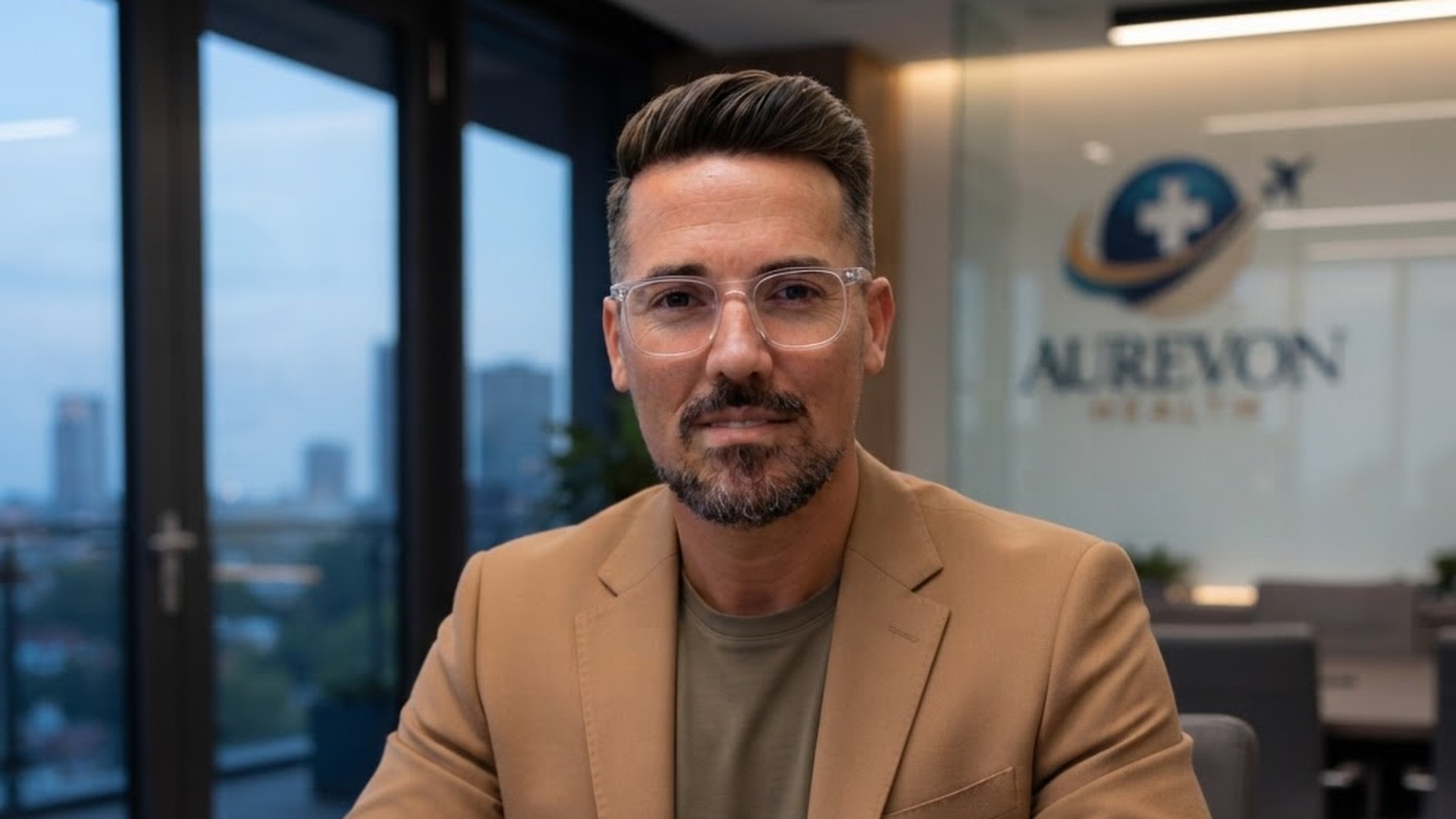
Lee Tuck, founder of Aurevon Health, on how to approach dental treatment abroad properly: verifying clinics, planning treatment and protecting your smile.
Dental treatment is where most people begin with medical travel, and it is easy to see why. The savings at reputable clinics across Europe can be substantial, the work is often excellent, and the results greet you in the mirror every morning. It is also where I see the most avoidable mistakes, made by sensible people who researched less for their teeth than they would for a car. So today I want to walk you through how dental tourism is done properly.
Think in Plans, Not in Prices
The single biggest mistake in dental tourism is shopping for a price instead of a plan. A crown costs what a crown costs, but your mouth is not a list of isolated prices, it is a system, and the right question is what does this mouth need to be healthy for the next twenty years. A clinic that quotes you for a single crown without examining the whole picture is selling you a procedure. A clinic that examines the whole picture first, then quotes, is treating a patient. The difference shows up five years later.
So insist on a full treatment plan before you travel: examination findings, any imaging that has been done, the proposed sequence of work, the materials involved, the alternatives that were considered and rejected, and the reasoning. A written plan lets you compare clinics on substance rather than charm, and it becomes the contract of expectations for what happens in the chair.
And be wary of a plan that appears before an examination. Nobody can honestly diagnose your mouth from three photographs. The clinics worth travelling to insist on seeing you, or at least your records, before they commit to a plan, because that is what dentists do.
The Questions That Separate Clinics
Dental work abroad deserves the same interrogation as any surgery. Who exactly will perform the treatment, and what are their registrations and qualifications? What materials and implant systems will be used, and can they be named in writing? What laboratory fabricates the crowns, bridges and veneers, and to what standard? What happens if a restoration fails, and within what timeframe is revision covered and by whom? How will your own dentist at home maintain the work afterwards?
Those last two questions matter more in dentistry than anywhere else, because dental work is a long relationship, not an event. You will return to your home dentist for check ups and maintenance for years, and the work you have done abroad needs to live inside that relationship. A good clinic in Istanbul or Prague thinks about your dentist back home. A bad one has never considered the question.
Notice that none of these questions are technical. They are organisational, and they reveal how a clinic thinks. That is precisely why they are so useful.
Time, Travel and Sequencing
Dental treatment abroad usually works in visits, and the sequencing deserves respect. Some treatments, like a single crown, fit into one short trip. Others, like implant based reconstruction, involve healing intervals between stages that no schedule can compress. Bone needs time. Tissue needs time. If a provider promises to compress a process that your own dentist says takes months, listen to your own dentist.
Plan the trips honestly: how many, how long, and what happens between them. Ask what the clinic does if a healing phase needs longer than expected, because in real mouths it sometimes does, and a good clinic plans for reality rather than the brochure. Build the travel around the biology, never the biology around the travel.
And budget the whole thing: flights and accommodation for each visit, not just the first. The true cost of a dental journey is the sum of all its trips, planned and unplanned.
What We Do at Aurevon Health
For dental patients, our role is the boring, valuable part: helping you frame the questions above, checking that the facilities you are considering evidence proper accreditation and named, registered clinicians, helping you compare written treatment plans side by side, and making sure nobody asks you to decide in a hurry. We do not tell you what treatment you need, because that is clinical work and it belongs to clinicians.
If you are considering dental treatment abroad, use the chat on our website before you book anything. Tell us what you have been quoted and what you have been told, and we will help you stress test it calmly. No obligation, no pressure, as always. A beautiful smile should begin with a well examined decision, and I would rather you took an extra week now than an extra trip later.
Frequently Asked Questions
Is dental treatment abroad safe at reputable clinics?
Yes, at properly accredited clinics with named, registered dentists, dental treatment abroad is a well established and generally safe option. The key is the same as at home: verifiable accreditation, qualified clinicians, written treatment plans and honest follow up arrangements. Savings can be substantial, but they should never be the only factor in choosing who works inside your mouth.
How do I compare dental quotes from different countries?
Compare full written treatment plans, never isolated prices. Look at examination findings, the sequence of work, named materials and implant systems, the laboratory involved, revision terms and maintenance guidance. Two quotes that look identical in price may differ enormously in substance. The plan that appears before a proper examination is always a warning sign.
Can my own dentist maintain dental work done abroad?
In most cases, yes, and this should be part of your planning from the start. Ask your own dentist before you travel whether they are comfortable maintaining the type of work you are considering, and bring home full written records of what was done, including materials used. Good clinics abroad think about your home dentist; a clinic that has never considered the question is telling you something.
How many trips will dental treatment abroad take?
It depends entirely on the treatment. Single crowns or veneers may fit one short visit, while implant based work involves staged procedures with healing intervals that cannot be compressed. Ask for the full sequence in writing, including how many trips are expected and what happens if a healing phase needs longer. Build the travel around the biology, never the reverse.
Should I get a second opinion on a dental treatment plan?
Yes, exactly as with any significant treatment. A second opinion from an independent dentist either confirms the plan, giving you confidence, or improves it. Give the second clinician the same records the first one saw, ask both the same written questions, and compare the answers side by side. Any clinic that resents a second opinion deserves more scrutiny, not less.
The information provided in this article is for general informational purposes only and does not constitute medical advice. Aurevon Health is a medical tourism concierge service and is not a medical provider. We do not diagnose, treat, or recommend specific medical procedures or treatments for individuals. Always consult a qualified medical professional before making any decisions about your health or healthcare. Individual outcomes vary and cannot be guaranteed. Aurevon Health does not endorse or guarantee the services of any specific clinic, hospital, or healthcare provider.