Back
Medical Tourism

A Founder's Note: Five Months of Writing Honestly

Lee Tuck, founder of Aurevon Health, on five months of writing these notes honestly: what they taught him about patients, fears and earning real trust.
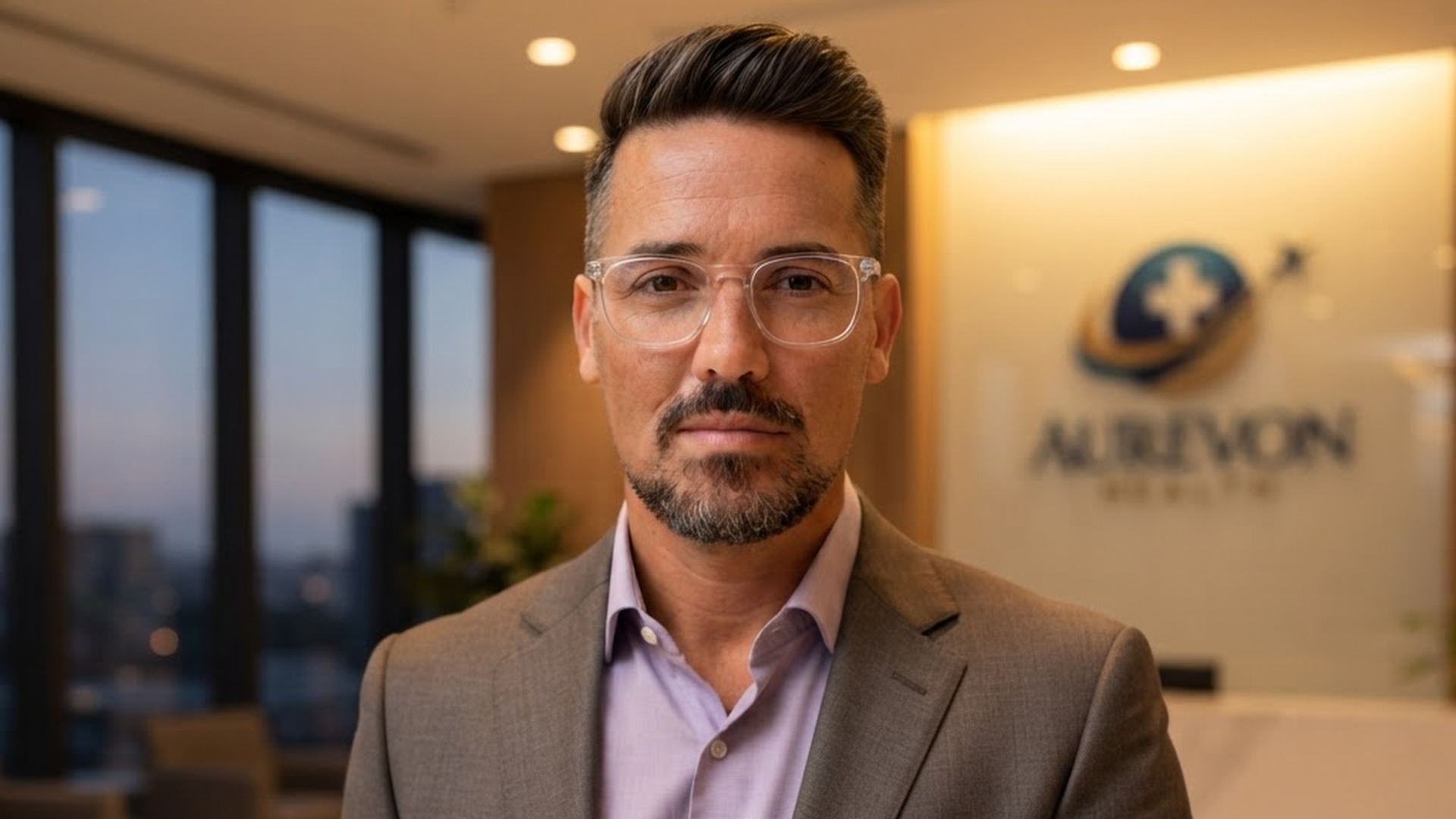
Lee Tuck24 August 20266 min read
A Founder's Note: Five Months of Writing Honestly

I have now written these Founder's Notes for nearly five months, and something unexpected has happened along the way: writing for patients has quietly changed how I run this company. Today I want to step back from the usual single topic and tell you what the discipline of writing honestly twice a week has taught me, because the lessons are the same ones that make medical travel safer, and because you deserve to know how the notes get made.

Honesty Is a Practice, Not a Policy

The first lesson surprised me. I assumed that honesty, once decided on, would simply be a policy we followed. In practice it is a discipline that has to be exercised, and writing is where it gets exercised. Every note I write faces the same test: would this sentence survive a sceptical patient reading it aloud in the voice of the least trustworthy salesman they have ever met? If a paragraph sounds different in that voice, it gets rewritten, and the rewriting is the practice. I believe companies drift into marketing language not because they decide to lie but because they stop noticing the drift, and a weekly commitment to plain sentences is how you keep noticing.

That is also why so many of these notes contain their own counterarguments, the case for staying home, the times we tell patients not to travel, the reasons a domestic option might serve them better. I have learned that the strongest trust signal a company can send is a well argued reason to walk away from it, and I have watched readers respond to exactly that.

So the first lesson stands: honesty is not a value you hold, it is a thing you do, repeatedly, until it becomes how the sentences come out by default.

The Same Fears, Everywhere

The second lesson came from the correspondence. The notes are published under my name, and the messages they generate are read by me, and the pattern in them is unmistakable: a dental patient in Ireland, an orthopaedic patient in Sweden, a cosmetic patient in Italy, all asking versions of the same four questions, am I safe, will it be honest, what if something goes wrong, and will anyone judge me for wanting this. I expected variety and found universality, because the fears of medical travellers are human fears, not national ones.

That discovery shaped the company. If the fears are universal, the answers can be universal too, which is why our insistence on verification, written plans and honest providers does not change by market. It also taught me the value of writing about the fears directly rather than around them, because the note that names a fear quietly, like the ones about dental fear or feeling alone during recovery, generates more grateful replies than any practical guide I have written.

People do not mainly want information. They want to know someone understands the weight of the decision, and then they want the information.

What I Would Tell a Patient Starting Out Now

Condensing five months of notes into one patient's starting point, it would be this. Verify the provider before you fall for the price, because the documents are the treatment. Put your own doctor at the centre, before and after the flight, because the journey is a loop, not a line. Ask the awkward questions early, in writing, because the manner of the answer is the preview of the care. Plan the return before the departure, because recovery happens at home. And move at your own pace, because every provider who rushes you is telling you whose interests they serve.

And one thing I have learned about myself: I came into this industry believing the main obstacle was cost, and I now believe the main obstacle is confidence. Cost has solutions, markets and comparisons, but confidence is built only one way, by giving people the tools to verify things themselves, which is what these notes have been trying to be, in the end. A patient holding a checklist is worth more than a patient holding a brochure, and that belief now shapes everything we build.

So thank you for reading, and for writing back. These notes continue, twice a week, and the standard is now set: every one of them must leave you better prepared than a brochure would, or it does not deserve your time.

Where We Come In

Aurevon Health remains what it has been throughout these notes: a concierge and intermediary that helps patients verify providers, read quotes, frame questions and plan the whole journey, while never practising medicine or promising perfection. The notes are the philosophy in public, and the service is the philosophy in practice, and I intend for the two to remain indistinguishable.

If there is a topic you wish I would cover, or a note that helped you, use the chat on our website and tell me. The best notes in this series were suggested by readers, with no obligation and no pressure, as always. Five months in, the discipline continues.

Frequently Asked Questions

Why does Aurevon Health publish Founder's Notes?

Because trust should be built in public. The notes put the company's philosophy in plain sentences twice a week: how to verify providers, what honest care looks like, and when travelling for treatment is the wrong choice. Readers deserve to know who stands behind the company before they trust it with their health, and the discipline of writing honestly is how the company keeps noticing its own drift into marketing language.

What has writing the notes taught you about patients?

That the fears are universal. Dental patients in Ireland, orthopaedic patients in Sweden and cosmetic patients in Italy ask the same four questions: am I safe, will it be honest, what if something goes wrong, and will anyone judge me for wanting this. That universality is why our standards do not change by market, and why the notes that name a fear directly, like the ones on dental fear or recovery loneliness, generate the most grateful replies.

What should a patient starting out do first?

Verify the provider before you fall for the price, because the documents are the treatment. Put your own doctor at the centre, before and after the flight, ask the awkward questions early and in writing, plan the return before the departure, and move at your own pace, because anyone rushing you is telling you whose interests they serve. A patient holding a checklist is worth more than a patient holding a brochure.

Is cost or confidence the biggest obstacle in medical travel?

Confidence, by a distance. Cost has solutions, markets, comparisons and financing, but confidence is built only by giving people the tools to verify things themselves. That is why the notes focus on checklists, registers, written plans and honest questions rather than persuasion, and why the service is built the same way. Informed patients make calm decisions, and calm decisions are almost always the right ones.

Do the notes continue, and can I suggest a topic?

Yes, twice a week, and the standard is now public: every note must leave you better prepared than a brochure would, or it does not deserve your time. The best notes in the series were suggested by readers, so use the chat on the website to propose a topic or share one that helped you, and it will be read. There is no obligation and no pressure, there never is.

The information provided in this article is for general informational purposes only and does not constitute medical advice. Aurevon Health is a medical tourism concierge service and is not a medical provider. We do not diagnose, treat, or recommend specific medical procedures or treatments for individuals. Always consult a qualified medical professional before making any decisions about your health or healthcare. Individual outcomes vary and cannot be guaranteed. Aurevon Health does not endorse or guarantee the services of any specific clinic, hospital, or healthcare provider.
Founder's Notemedical travel lessonspatient trustmedical tourismLee Tuck

Ready to Explore Your Medical Travel Options?

Submit a free, no-obligation enquiry and our team will personally manage your case.

More Founder's Posts

Explore

Destinations

We use cookies

We use essential and analytics cookies to improve your experience. By clicking "Accept", you consent to their use. See our Cookie Policy for details.

A Founder's Note: Five Months of Writing Honestly

I have now written these Founder's Notes for nearly five months, and something unexpected has happened along the way: writing for patients has quietly changed how I run this company. Today I want to step back from the usual single topic and tell you what the discipline of writing honestly twice a week has taught me, because the lessons are the same ones that make medical travel safer, and because you deserve to know how the notes get made.

Honesty Is a Practice, Not a Policy

The first lesson surprised me. I assumed that honesty, once decided on, would simply be a policy we followed. In practice it is a discipline that has to be exercised, and writing is where it gets exercised. Every note I write faces the same test: would this sentence survive a sceptical patient reading it aloud in the voice of the least trustworthy salesman they have ever met? If a paragraph sounds different in that voice, it gets rewritten, and the rewriting is the practice. I believe companies drift into marketing language not because they decide to lie but because they stop noticing the drift, and a weekly commitment to plain sentences is how you keep noticing.

That is also why so many of these notes contain their own counterarguments, the case for staying home, the times we tell patients not to travel, the reasons a domestic option might serve them better. I have learned that the strongest trust signal a company can send is a well argued reason to walk away from it, and I have watched readers respond to exactly that.

So the first lesson stands: honesty is not a value you hold, it is a thing you do, repeatedly, until it becomes how the sentences come out by default.

The Same Fears, Everywhere

The second lesson came from the correspondence. The notes are published under my name, and the messages they generate are read by me, and the pattern in them is unmistakable: a dental patient in Ireland, an orthopaedic patient in Sweden, a cosmetic patient in Italy, all asking versions of the same four questions, am I safe, will it be honest, what if something goes wrong, and will anyone judge me for wanting this. I expected variety and found universality, because the fears of medical travellers are human fears, not national ones.

That discovery shaped the company. If the fears are universal, the answers can be universal too, which is why our insistence on verification, written plans and honest providers does not change by market. It also taught me the value of writing about the fears directly rather than around them, because the note that names a fear quietly, like the ones about dental fear or feeling alone during recovery, generates more grateful replies than any practical guide I have written.

People do not mainly want information. They want to know someone understands the weight of the decision, and then they want the information.

What I Would Tell a Patient Starting Out Now

Condensing five months of notes into one patient's starting point, it would be this. Verify the provider before you fall for the price, because the documents are the treatment. Put your own doctor at the centre, before and after the flight, because the journey is a loop, not a line. Ask the awkward questions early, in writing, because the manner of the answer is the preview of the care. Plan the return before the departure, because recovery happens at home. And move at your own pace, because every provider who rushes you is telling you whose interests they serve.

And one thing I have learned about myself: I came into this industry believing the main obstacle was cost, and I now believe the main obstacle is confidence. Cost has solutions, markets and comparisons, but confidence is built only one way, by giving people the tools to verify things themselves, which is what these notes have been trying to be, in the end. A patient holding a checklist is worth more than a patient holding a brochure, and that belief now shapes everything we build.

So thank you for reading, and for writing back. These notes continue, twice a week, and the standard is now set: every one of them must leave you better prepared than a brochure would, or it does not deserve your time.

Where We Come In

Aurevon Health remains what it has been throughout these notes: a concierge and intermediary that helps patients verify providers, read quotes, frame questions and plan the whole journey, while never practising medicine or promising perfection. The notes are the philosophy in public, and the service is the philosophy in practice, and I intend for the two to remain indistinguishable.

If there is a topic you wish I would cover, or a note that helped you, use the chat on our website and tell me. The best notes in this series were suggested by readers, with no obligation and no pressure, as always. Five months in, the discipline continues.

Frequently Asked Questions

Why does Aurevon Health publish Founder's Notes?

Because trust should be built in public. The notes put the company's philosophy in plain sentences twice a week: how to verify providers, what honest care looks like, and when travelling for treatment is the wrong choice. Readers deserve to know who stands behind the company before they trust it with their health, and the discipline of writing honestly is how the company keeps noticing its own drift into marketing language.

What has writing the notes taught you about patients?

That the fears are universal. Dental patients in Ireland, orthopaedic patients in Sweden and cosmetic patients in Italy ask the same four questions: am I safe, will it be honest, what if something goes wrong, and will anyone judge me for wanting this. That universality is why our standards do not change by market, and why the notes that name a fear directly, like the ones on dental fear or recovery loneliness, generate the most grateful replies.

What should a patient starting out do first?

Verify the provider before you fall for the price, because the documents are the treatment. Put your own doctor at the centre, before and after the flight, ask the awkward questions early and in writing, plan the return before the departure, and move at your own pace, because anyone rushing you is telling you whose interests they serve. A patient holding a checklist is worth more than a patient holding a brochure.

Is cost or confidence the biggest obstacle in medical travel?

Confidence, by a distance. Cost has solutions, markets, comparisons and financing, but confidence is built only by giving people the tools to verify things themselves. That is why the notes focus on checklists, registers, written plans and honest questions rather than persuasion, and why the service is built the same way. Informed patients make calm decisions, and calm decisions are almost always the right ones.

Do the notes continue, and can I suggest a topic?

Yes, twice a week, and the standard is now public: every note must leave you better prepared than a brochure would, or it does not deserve your time. The best notes in the series were suggested by readers, so use the chat on the website to propose a topic or share one that helped you, and it will be read. There is no obligation and no pressure, there never is.

The information provided in this article is for general informational purposes only and does not constitute medical advice. Aurevon Health is a medical tourism concierge service and is not a medical provider. We do not diagnose, treat, or recommend specific medical procedures or treatments for individuals. Always consult a qualified medical professional before making any decisions about your health or healthcare. Individual outcomes vary and cannot be guaranteed. Aurevon Health does not endorse or guarantee the services of any specific clinic, hospital, or healthcare provider.