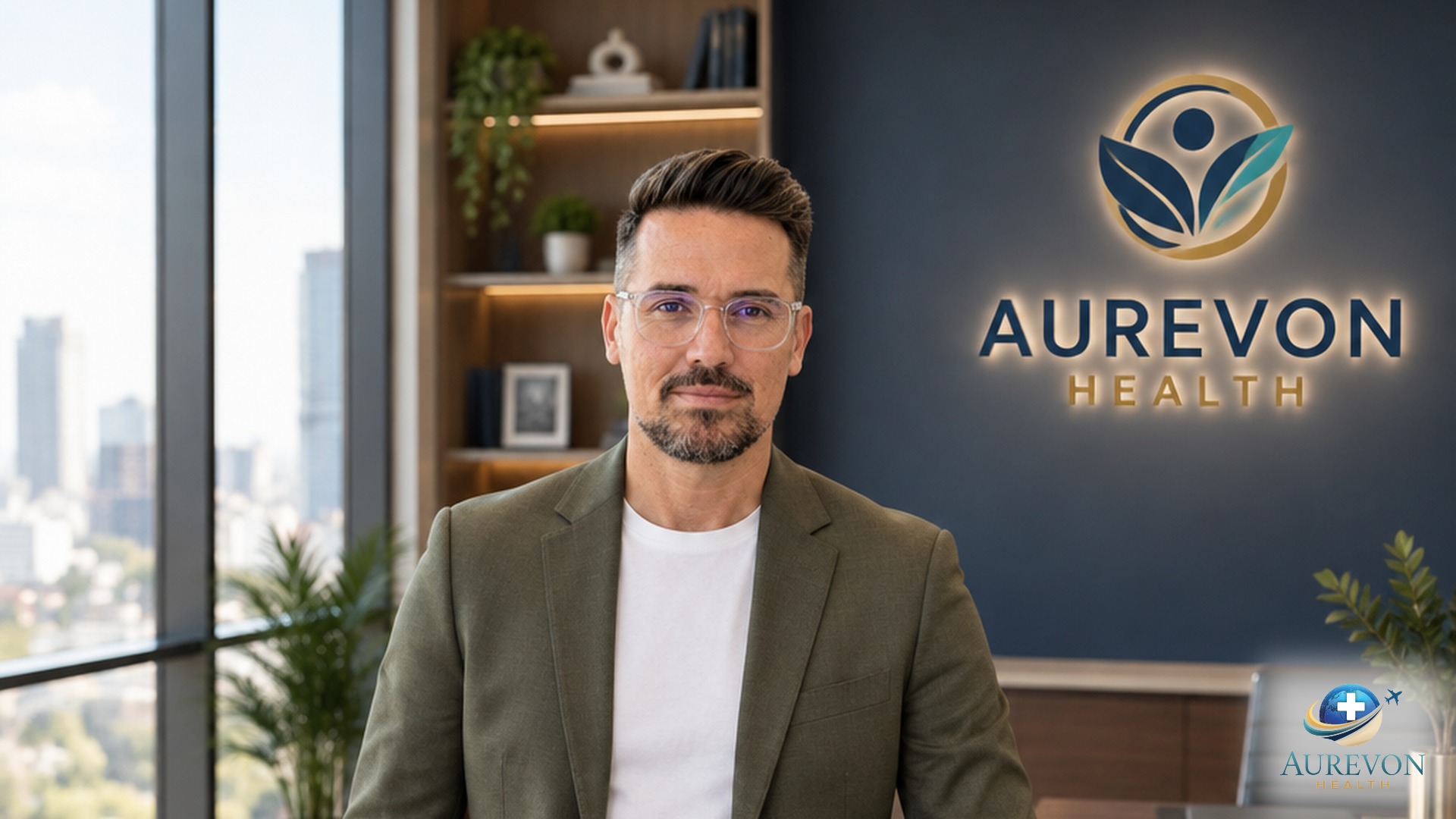
A Founder's Note: Why the Details Others Skip Are the Ones That Matter
Lee Tuck on why written quotes, consent conversations and complete records decide good medical travel, and how clarity is what smooth is made of. Read on.

When people ask me what separates a good medical travel experience from a bad one, they usually expect me to talk about clinics, or accreditation, or price. The honest answer is smaller than that. In my experience the difference lives in the details most people skip: the clarity of a written quote, the quality of a consent conversation, whether anyone wrote down what happens if something changes. Those are the details I think about most, because they are the ones that decide how a journey feels when it matters.
The Quote That Names Everything
I have read a lot of treatment quotes over the years. The pattern I trust is boring and specific: a document that names the surgeon, the anaesthetist, the facility, the devices with their brands, the reviews, and what happens if a complication extends a stay. When a quote reads like that, I know a real person built it, checked it and stands behind it. When a quote is a single number with a promise attached, I know something is being left out, because there always is.
Price competition in medical travel is fierce, and the easiest way to look cheap is to quietly move costs to the edges: the anaesthetist becomes optional, the follow up becomes your problem, the implant becomes a brand you cannot find documented history for. None of those appear as a higher price. They appear as risk, later, at the worst possible time. That is why we push people, gently but constantly, to compare scope and not price. It is the least glamorous advice in this industry and the most useful.
I think of the written quote as the first clinical document of a journey, not a commercial one. It tells you how a provider thinks, the same way a consultation does. A clinic that documents carefully is usually a clinic that treats carefully. I have never seen an exception worth recommending.
The Conversation Before the Signature
Consent is where medicine shows its respect for you, or does not. A proper consent conversation means someone explains the procedure, the alternatives, the risks and the recovery, and then invites your questions, and answers them, in a language you actually understand. It takes longer than a signature. It is supposed to.
What worries me is how often patients arrive having been asked to commit from photographs and a chat thread. No responsible assessment works that way, whatever the market pressures are. The examination belongs before the plan, and the plan belongs before the payment, and any provider that reorders those steps is not being efficient, it is being careless with your body. We say this often at Aurevon Health because it is true often: the clinics worth travelling to are the clinics that are happy to examine you before they book you.
I also encourage patients to write their questions down before every conversation. Under stress, everyone forgets half of what they meant to ask, and medical travel adds jet lag and a second language on top of stress. The written list is the cheapest piece of medical equipment you own.
The Records That Follow You
Here is a detail almost nobody thinks about until it is too late: records. The operative note, the device details, the medication list, the rehabilitation protocol. These documents follow your body for the rest of its life. A dental implant placed in Prague will be serviced by a dentist at home twenty years from now, and that dentist will work from whatever was written down in Prague. The quality of those records is a clinical detail, not an administrative one.
This is why we keep insisting that patients bring their records home and hand them to their own doctor immediately. It takes one appointment. It converts a treatment abroad into a treatment your home team can protect, and it means that in every future consultation, you are the patient with the complete file rather than the patient with the memory of a trip. Small effort, permanent value. That ratio is the whole philosophy of this note in one line.
The same logic applies to questions after you return. Ask them in writing, because a written answer becomes a document you can reread, translate and share. A phone call you half understood is a conversation; an email is a record.
How We Apply This at Aurevon Health
People sometimes assume that because we are a concierge service, our job is to make things feel smooth. I would put it differently. Our job is to make things clear, and clarity is what smooth is made of. We are not a healthcare provider, we do not diagnose or treat anyone, and we do not pretend otherwise. What we do is insist on the details: we ask providers the questions patients should not have to think of on their own, we push for documentation that travels well, and we tell patients what to verify themselves, because independent verification is a feature of good judgement, not a lack of trust.
We also accept the limits of our role honestly. The clinical decisions belong to the licensed professionals at the facilities, always. The details we sweat are the ones around the medicine: the plan, the quote, the records, the questions, the follow up. That boundary is not a limitation of the service, it is the service. A concierge that blurs into a clinician is creating exactly the kind of ambiguity that medical travel should be eliminating.
So my invitation to every patient reading this is unglamorous: care about the details. Ask for the written plan. Check the register. Write your questions down. Bring your records home. None of it is exciting, and all of it is what standing between you and a bad experience looks like in practice. The details others skip are the ones that carry you.
Frequently Asked Questions
What should a treatment quote from a clinic abroad include?
A serious quote names the surgeon, anaesthetist, facility, devices with brands, reviews, and the terms if a complication extends your stay, all in one currency, ideally euros. A single number with a promise attached always omits something. Compare scope and not price, because the omitted items return as risk. A clinic that documents carefully usually treats carefully.
Why is the consent conversation so important in medical travel?
Because it shows whether a provider respects you before you pay: the procedure, the alternatives, the risks and the recovery explained in language you understand, with your questions invited and answered. No responsible provider commits to surgery from photographs and chat threads. The examination belongs before the plan, and the plan before the payment, in that order, always.
What records should I bring home after treatment abroad?
The operative note, device and implant details, the medication list, and the recovery or rehabilitation protocol. These documents follow your body for decades, and any doctor treating you later will work from them. Hand them to your own doctor immediately on return, one appointment that converts a treatment abroad into one your home team can protect.
How can I remember everything I need to ask my doctor?
Write your questions down before every conversation, because stress, jet lag and second languages erode everyone's memory equally. Keep a written list for each appointment and add to it as questions occur to you. After you return home, ask follow up questions in writing where possible, since a written answer becomes a record you can reread, translate and share with your home team.
What exactly does Aurevon Health do for patients?
We are a medical tourism concierge service, not a healthcare provider. We do not diagnose, treat or make clinical recommendations; those decisions belong to the licensed professionals at the facilities. We insist on the details around the medicine: asking providers the right questions, pushing for documentation that travels well, and telling patients what to verify themselves. Clarity is what smooth is made of.
The information provided in this article is for general informational purposes only and does not constitute medical advice. Aurevon Health is a medical tourism concierge service and is not a medical provider. We do not diagnose, treat, or recommend specific medical procedures or treatments for individuals. Always consult a qualified medical professional before making any decisions about your health or healthcare. Individual outcomes vary and cannot be guaranteed. Aurevon Health does not endorse or guarantee the services of any specific clinic, hospital, or healthcare provider.