A Founder's Note: What Your Own Doctor Needs to Know
Lee Tuck, founder of Aurevon Health, on what your own doctor needs to know before you travel, from records to follow up, and why openness protects recovery.
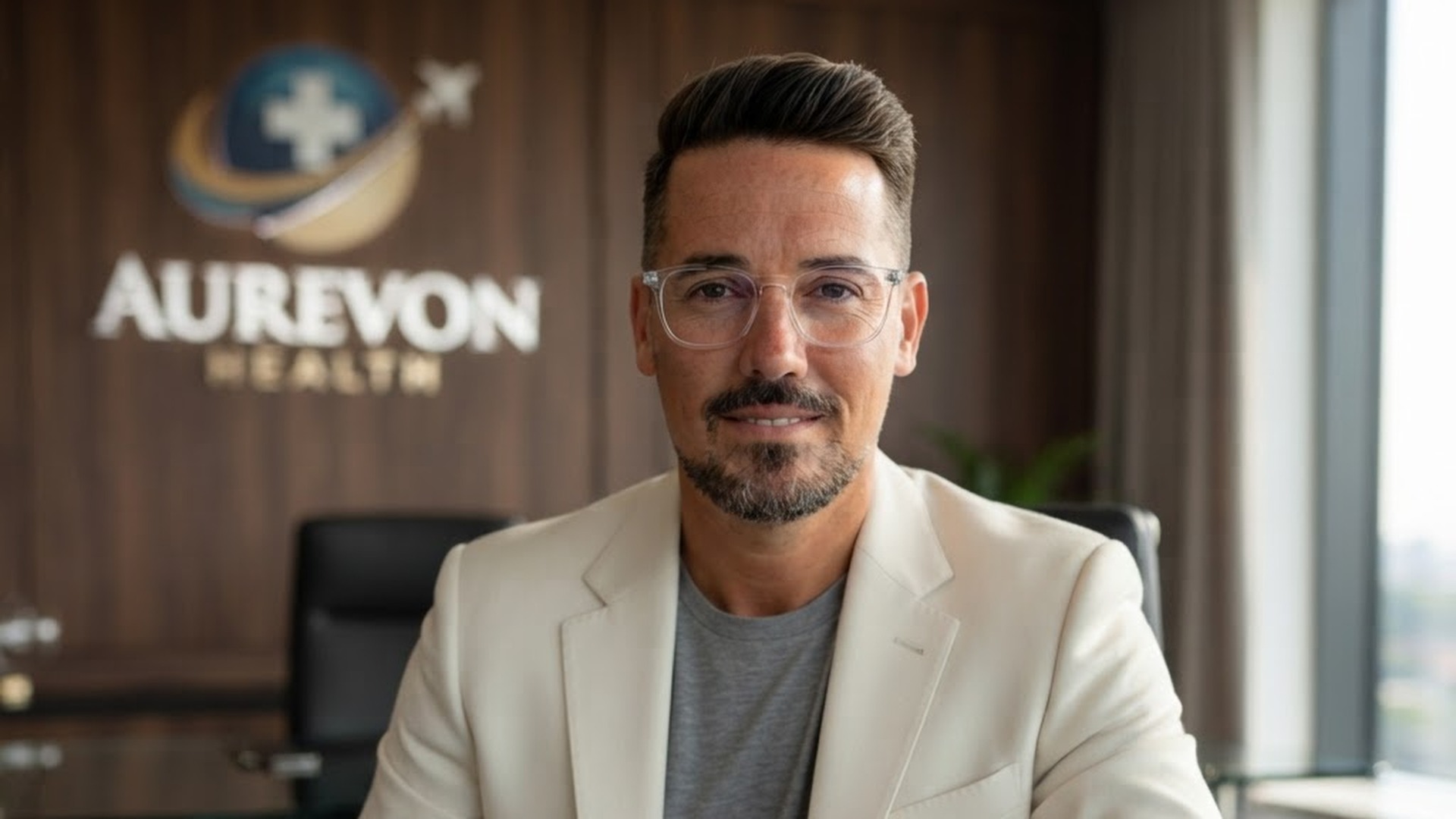
Here is a conversation that happens more often than you would think. A patient plans treatment abroad beautifully: clinic researched, plan written, flights booked, recovery scheduled. Then, a week before departure, they ask me the question they should have asked first: do I have to tell my own doctor? Sometimes the question is about permission, sometimes about pride, and sometimes about a fear of being judged for seeking care abroad. Today I want to settle it properly: your own doctor is not an obstacle to treatment abroad, and treating them as one of your greatest assets.
Why Your Own Doctor Matters More, Not Less
When you travel for treatment, your own doctor at home does not become less relevant, they become more. They hold your history: your conditions, your medications, your allergies, your previous procedures, your family background. They will be the ones who see you through ordinary illnesses during recovery, review your progress in the months that follow, and act quickly if anything concerns you later. The clinic abroad sees you for a week. Your own doctor looks after you for the rest of your life. Both relationships deserve to be handled well, and the bridge between them is you.
There is also a practical truth: continuity of care is a safety feature, not a courtesy. The clinician who treats you abroad works best with complete information about you, and the clinician who cares for you afterwards works best with complete information about what was done. Every gap in that exchange is a risk you do not need to take, and every gap closes with a document and a conversation.
And in my experience, the fear of judgement is almost always overestimated. Most doctors respond to a well planned, well informed patient with respect and practical support, including a letter, a prescription or a review appointment. The patients who struggle are the ones who arrive home having told nobody, with a wound their doctor first learns about at a follow up booked in a hurry.
What to Tell, and When
The practical version is simple. Before you travel, tell your own doctor what you are having done, where, and who will perform it, and ask two questions: whether they see anything in your history the treating team should know, and whether they are comfortable providing aftercare for the type of work you are considering. Most are, and their answer becomes part of your plan. Ask for a current copy of your records, medications list and allergies to carry with you, and have them translated if the treating team needs it.
During your treatment, keep every document you are given: the treatment plan, the operative report, implant or material details if any are used, the discharge summary, prescriptions and the aftercare instructions. These papers are the currency of continuity. Losing them converts a straightforward recovery into a guessing game for whoever sees you next.
After you return, book a review with your own doctor and bring the documents. That single appointment closes the loop: your home doctor knows what was done, what to watch for, and how to reach the treating team if a question needs their input. It costs half an hour and buys you a safety net that nothing else can.
The Records That Matter
Let me be specific about the papers, because patients consistently underestimate them. The documents that matter most are: a summary of your medical history and medications before you travel; the written treatment plan from the provider; the operative or procedure report describing exactly what was done; details of any implants, materials or devices used, with brand and specification; the discharge summary with instructions; and the medication plan for your recovery. Ask for all of them in writing before you leave the facility, and ask for English or a translation if you need one.
A good clinic provides these without hesitation, because good clinics think about your care beyond their own walls. A clinic that is vague about discharge documents is not merely disorganised, it is telling you that your recovery stops being their concern the moment you leave, and that is exactly the culture that fails patients later.
Keep copies of everything, in your email and in paper. Documents that exist in one suitcase in one hotel room do not, in any meaningful sense, exist.
Where We Come In
Aurevon Health does not coordinate your medical records or write to your doctor, and we never interfere in clinical relationships. What we do is insist on the culture that supports them: providers who give complete written documentation, who encourage you to involve your own doctor, and who treat continuity of care as part of the treatment rather than an afterthought. When a patient tells us their proposed provider is dismissive about home follow up, we consider that a serious warning, and we say so.
If you are planning treatment abroad and unsure how to bring your own doctor into the process, use the chat on our website. We will help you frame the conversation and the document list so nothing important gets lost. No obligation, no pressure, as always. Your doctor is on your side. Treat them that way from the beginning, and the whole journey gets safer.
Frequently Asked Questions
Should I tell my doctor I am having treatment abroad?
Yes, always. Your own doctor holds your history, provides aftercare during recovery and acts quickly if anything concerns you later. Most respond to a well planned patient with practical support rather than judgement. Tell them what you are having, where and who will perform it, and ask whether they can provide aftercare. The patients who struggle are those who arrive home having told nobody.
What records should I carry when travelling for treatment?
Carry a summary of your history, medications and allergies, translated if needed. Bring home the written treatment plan, the operative or procedure report, details of any implants or materials with brand and specification, the discharge summary and the medication plan. Request all of them in writing before leaving the facility. A clinic that is vague about discharge documents is telling you your recovery stops being their concern.
What should I do when I get home after treatment abroad?
Book a review with your own doctor and bring the full document set: treatment plan, operative report, discharge summary, prescriptions and aftercare instructions. That single appointment closes the loop, giving your doctor knowledge of what was done and what to watch for, plus a route to contact the treating team if needed. It costs half an hour and buys a safety net nothing else can provide.
Will my doctor judge me for going abroad?
Almost never as much as patients fear. Most doctors respond to a well informed, well planned patient with respect and practical help, including letters, prescriptions and review appointments. The fear of judgement usually evaporates in the first honest conversation. What doctors find genuinely difficult is a patient who returns home unannounced with a procedure they knew nothing about and no documentation to work from.
Can Aurevon Health write to my doctor for me?
No, and be cautious of any intermediary that offers to. Clinical relationships and records belong to you, your doctor and your treating team. Our role is to insist on the culture that supports continuity: providers who give complete written documentation, encourage you to involve your own doctor and treat follow up as part of the treatment. Use the website chat if you need help framing that conversation.
The information provided in this article is for general informational purposes only and does not constitute medical advice. Aurevon Health is a medical tourism concierge service and is not a medical provider. We do not diagnose, treat, or recommend specific medical procedures or treatments for individuals. Always consult a qualified medical professional before making any decisions about your health or healthcare. Individual outcomes vary and cannot be guaranteed. Aurevon Health does not endorse or guarantee the services of any specific clinic, hospital, or healthcare provider.