A Founder's Note: Your Records Belong to You
Lee Tuck, founder of Aurevon Health, on your right to your own medical records across Europe, and how to build a personal file that protects you abroad.

Here is a sentence that surprises almost every patient I meet: your medical records belong to you. Not to your doctor, not to the hospital, not to the health system that paid for the treatment. They are your history, written about your body, and across Europe the law is unusually clear on this point. And yet patients travel constantly with incomplete files, vague memories of medications, and no copies of the very documents that will protect them abroad. Today I want to fix that, because records are the most underrated safety tool in medical travel.
What You Are Entitled To
Across the EU, patients have a right of access to their health data, including the right to receive copies, in a form that allows reuse, and this right travels with you across borders. The framework is the General Data Protection Regulation, which treats health data as yours, with organisations acting as its custodians rather than its owners, and EU Directive 2011/24/EU on patients' rights in cross border healthcare reinforces that patients should be able to access their records to support treatment in other member states. In practice, this means you can request your complete file, history, results, imaging, reports and letters, and receive it, usually within a month.
The practical version: ask your own doctor or hospital for a full copy of your records, results and current medication list before you plan anything abroad. Ask for imaging in a format you can carry, on disc or through a portal, and for reports as documents rather than summaries. Ask politely, and if the answer is slow or reluctant, ask in writing, because written requests get processed and verbal ones get forgotten.
Patients sometimes worry that requesting records offends their doctor. In my experience, the opposite is true: doctors respect patients who take their history seriously, and a well documented patient is easier to help. The request itself signals that you intend to involve them, not bypass them.
Why This Matters Twice Over
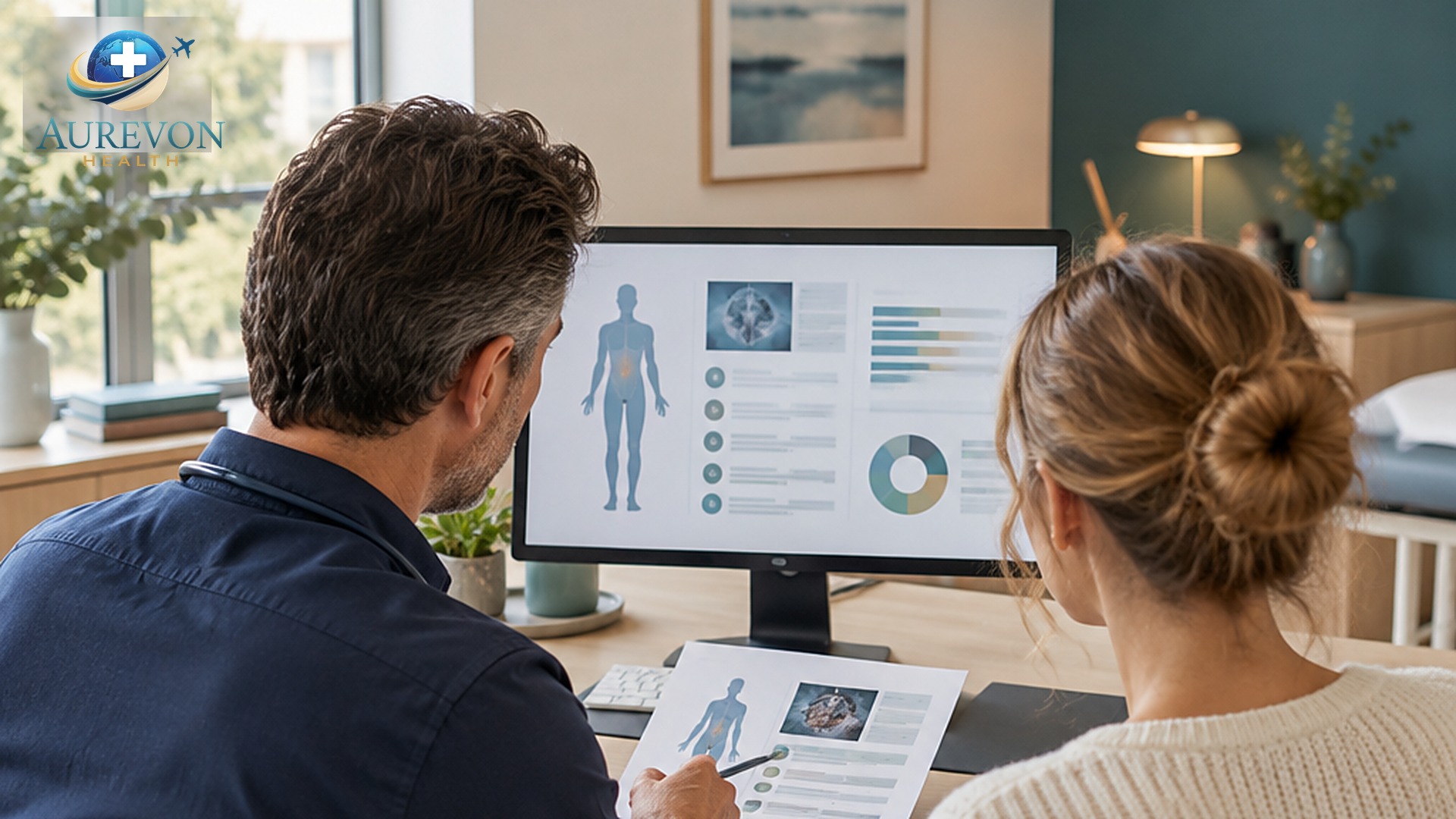
Your records matter on both sides of the journey. Before treatment, they let the team abroad assess you properly, your real history, your actual results, your previous procedures, rather than reconstructing you from a consultation and a questionnaire. A fertility team without your cycle history, an orthopaedic surgeon without your imaging, a cardiologist without your previous ECGs, is working with a partial picture of you, and partial pictures produce partial decisions.
After treatment, the records flow the other way: the operative report, the discharge summary, the prescriptions and the follow up plan from your treatment abroad need to reach your own doctor, so that the months of recovery at home are supervised by someone who knows what was done. I have written before about the documents to demand before you leave a facility. This note is the other half of the same habit: demand the same completeness from yourself.
And there is a quieter reason. Medicine is cumulative. Your story will be needed again by clinicians who have not met you yet, perhaps years from now, and the patient who carries their own story travels lighter through every health system, foreign or domestic.
Building Your Own File
So let me make it practical. Build a single medical file for yourself and keep it current. It should contain: your personal details and emergency contact; your conditions and diagnoses with dates; your surgeries and procedures; your current medications with doses; your allergies and reactions; your most recent results, bloods and relevant imaging; your family history of significance; and the contact details of your own doctor. Two or three pages, plus attachments, and it never becomes obsolete because you update it as things change.
Carry it digitally, in a format you can open anywhere, and bring printed copies when you travel. Have key documents translated where the treating team needs it, and keep the originals alongside. Update the file after every treatment, including any treatment abroad, so the story stays whole.
Once built, this file will serve you forever, for treatment abroad and at home, and the hour it takes to build is the highest return investment in your own safety I know.
Where We Come In
Aurevon Health does not access, hold or transfer your medical records, your data remains yours alone, and you should be cautious of any intermediary that offers otherwise. What we do is insist on the culture that makes records matter: providers who read your history properly before assessing you, who give complete written documentation after treating you, and who treat the paper trail as part of the medicine rather than an administrative chore.
If you are planning treatment abroad and want help knowing what to gather before you go, use the chat on our website and tell us the treatment you are considering. We will help you build the checklist, with no obligation and no pressure, as always. Your story belongs to you. Make sure you are holding it when you travel.
Frequently Asked Questions
Can I get copies of my medical records before treatment abroad?
Yes. Across the EU you have the right of access to your health data under the General Data Protection Regulation, and EU Directive 2011/24/EU supports patients seeking treatment across borders. Request a complete copy, history, results, imaging and medication list, in writing if needed, usually provided within a month. A well documented patient is easier to help, and requesting records signals involvement rather than bypass.
What medical records should I take abroad with me?
Your conditions and diagnoses with dates, previous procedures, current medications with doses, allergies and reactions, recent bloods and relevant imaging in a portable format, and significant family history, plus your own doctor's contact details. Have key documents translated where the treating team needs them, and carry both digital and printed copies. A team assessing your real history makes better decisions than one reconstructing you from a questionnaire.
Why do records matter after treatment abroad?
Because recovery happens at home under your own doctor, who needs the operative report, discharge summary, prescriptions and follow up plan from the treating facility. Without them, the months after your return are supervised by someone guessing at what was done. Demand the complete document set before leaving the facility, and update your own medical file afterwards so the story stays whole for future clinicians.
How do I build my own medical file?
Two or three pages plus attachments: personal and emergency details, conditions and diagnoses with dates, surgeries, current medications with doses, allergies, recent results and imaging, significant family history, and your doctor's contact details. Keep it digitally accessible, bring printed copies when travelling, and update it after every treatment, at home or abroad. The hour it takes is the highest return safety investment available.
Will Aurevon Health hold or transfer my medical records?
No, and be cautious of any intermediary that offers to. Your health data remains yours alone. Our role is to insist on the culture that makes records matter: providers who read your history properly before assessing you and give complete written documentation after treating you. Use the website chat for help building your pre travel record checklist, with no obligation and no pressure.
The information provided in this article is for general informational purposes only and does not constitute medical advice. Aurevon Health is a medical tourism concierge service and is not a medical provider. We do not diagnose, treat, or recommend specific medical procedures or treatments for individuals. Always consult a qualified medical professional before making any decisions about your health or healthcare. Individual outcomes vary and cannot be guaranteed. Aurevon Health does not endorse or guarantee the services of any specific clinic, hospital, or healthcare provider.