Back

How to Choose an Orthopaedic Clinic Abroad

Learn how to compare orthopaedic clinics abroad using licensing, accreditation, surgeon credentials, communication, costs and patient focused questions.

Aurevon Health22 September 20269 min read
How to Choose an Orthopaedic Clinic Abroad

Choosing an orthopaedic clinic abroad requires more than comparing destinations or package prices. Look for a legally established provider, appropriately qualified clinicians, clear communication and a care pathway that explains what happens before, during and after treatment. A provider should welcome careful questions rather than rush a decision.

Start with identity and licensing

Ask for the full legal name of the clinic, hospital and treating clinicians. Confirm which national authority licenses the facility and how the professional registration can be checked. Similar names can cause confusion, so use official details.

Accreditation can provide useful information when it is genuine and relevant. Ask which body issued it, what it covers and whether it is current. A framed certificate should support verification, not replace it. Patients should be wary of unclear badges or unexplained awards.

The clinical team should explain who assesses the patient and who performs the procedure. Do not assume that the person answering an enquiry is the surgeon or a medical professional.

Look for a proper consultation

A responsible provider needs enough information to understand the case and explain the proposed pathway. Ask what records, imaging or examination are required and when the clinician will discuss options.

A consultation should include questions about alternatives, risks and recovery. It should not be presented as a guaranteed result or a simple transaction. Patients need time to consider the information and seek independent advice.

If communication is difficult, address it early. Ask who can explain clinical information in a language the patient understands. Clear communication is part of safe decision making.

Review costs honestly

Request a written quotation in euros with a breakdown of inclusions and exclusions. Ask whether professional fees, facility fees, imaging, implants, medicines, physiotherapy and additional nights are included.

Costs may be lower than comparable private care in some European markets, but a low figure is not evidence of better value. Include flights, accommodation, companion costs, insurance and possible changes to the itinerary in your personal budget.

Ask what happens if a procedure is postponed or the clinical plan changes. The answer should be clear before a deposit is paid.

A final decision checklist

Before deciding, confirm the provider’s identity, credentials, consultation arrangements, proposed pathway, accreditation, written costs, travel advice, discharge information and contact arrangements.

Read independent sources and avoid relying only on testimonials. A patient story can describe one person’s experience, but it cannot predict another person’s result.

Take time. Pressure to pay quickly, claims of guaranteed outcomes or irritation when questions are asked are reasons to pause and seek further advice.

Frequently Asked Questions

What is orthopaedic surgery abroad?

Orthopaedic surgery abroad means receiving care from a licensed provider in another country. The clinical team remains responsible for assessment, consent, treatment and follow up. An intermediary can help explain general planning information and connect patients with providers, but it cannot diagnose conditions or decide whether a procedure is suitable.

How should I compare orthopaedic clinics abroad?

Compare licensing, relevant accreditation, surgeon credentials, the proposed care pathway, communication arrangements and the full written cost. Ask what is included and what is excluded. Review independent information and discuss your circumstances with a qualified clinician before making a decision.

Are prices lower for orthopaedic treatment abroad?

Costs may be lower than equivalent private rates in some European markets, but comparisons are only useful when the same scope of care is included. Check whether consultation, imaging, hospital fees, implants, accommodation, travel and follow up are separate. No price should be treated as a guarantee of value or outcome.

What questions should I ask before travelling for surgery?

Ask who will assess you, who will perform the procedure, what qualifications and accreditation apply, how complications are managed, how long you may need to remain nearby and who receives your clinical records. Ask for answers in writing and allow time to seek independent medical advice.

Does Aurevon Health provide medical advice?

No. Aurevon Health is an international medical tourism intermediary, not a healthcare provider. It does not diagnose conditions, recommend procedures or assess suitability. Clinical decisions are made exclusively by licensed professionals at partner facilities, after they have reviewed the patient clinically.

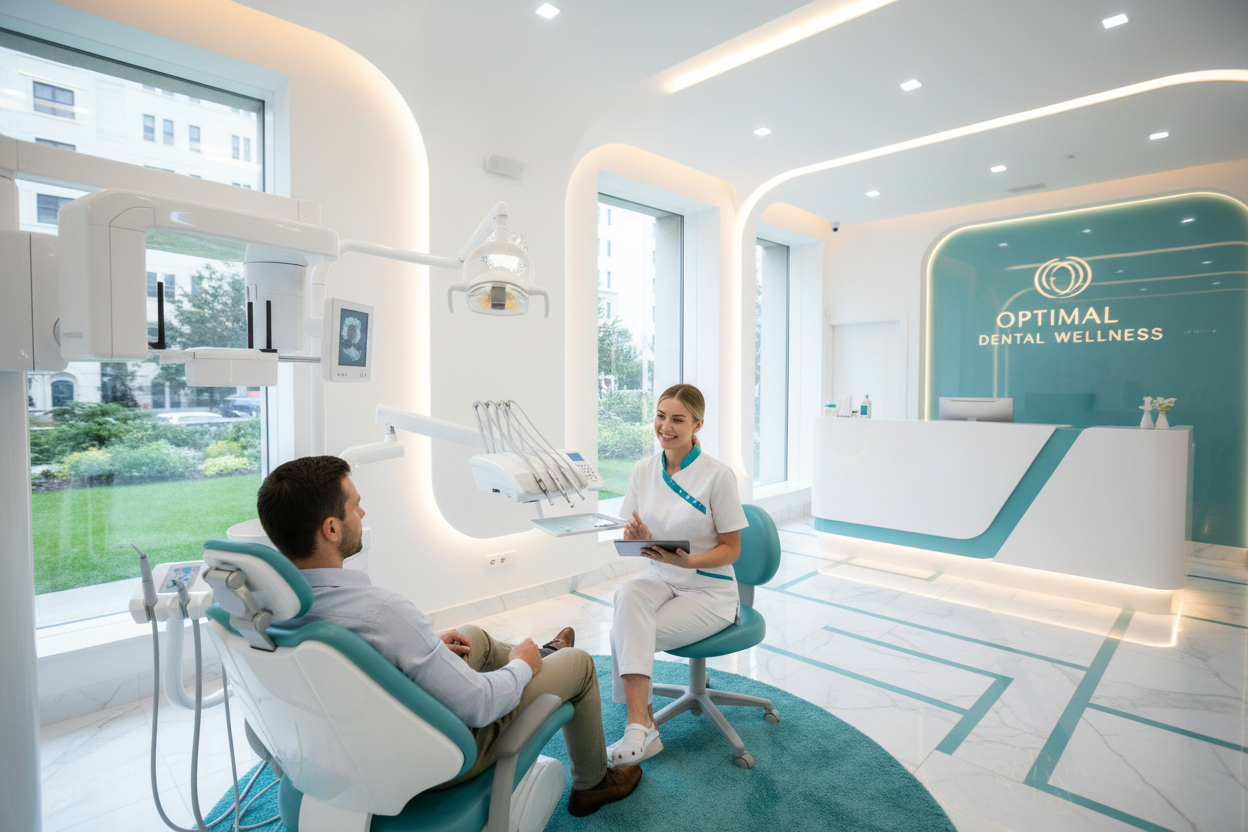
Images are illustrative only and do not depict actual patients.

The information provided in this article is for general informational purposes only and does not constitute medical advice. Aurevon Health is an international medical tourism intermediary and is not a healthcare provider. We do not diagnose, treat, or recommend specific medical procedures or treatments for individuals. Always consult a qualified medical professional before making decisions about your healthcare. Individual outcomes vary and cannot be guaranteed.


choose orthopaedic clinic abroadorthopaedic surgeon credentialsclinic accreditation Europe

Ready to Explore Your Medical Travel Options?

Submit a free, no-obligation enquiry and our team will personally manage your case.

Latest Articles

Explore

Destinations

We use cookies

We use essential and analytics cookies to improve your experience. By clicking "Accept", you consent to their use. See our Cookie Policy for details.

How to Choose an Orthopaedic Clinic Abroad

Choosing an orthopaedic clinic abroad requires more than comparing destinations or package prices. Look for a legally established provider, appropriately qualified clinicians, clear communication and a care pathway that explains what happens before, during and after treatment. A provider should welcome careful questions rather than rush a decision.

Start with identity and licensing

Ask for the full legal name of the clinic, hospital and treating clinicians. Confirm which national authority licenses the facility and how the professional registration can be checked. Similar names can cause confusion, so use official details.

Accreditation can provide useful information when it is genuine and relevant. Ask which body issued it, what it covers and whether it is current. A framed certificate should support verification, not replace it. Patients should be wary of unclear badges or unexplained awards.

The clinical team should explain who assesses the patient and who performs the procedure. Do not assume that the person answering an enquiry is the surgeon or a medical professional.

Look for a proper consultation

A responsible provider needs enough information to understand the case and explain the proposed pathway. Ask what records, imaging or examination are required and when the clinician will discuss options.

A consultation should include questions about alternatives, risks and recovery. It should not be presented as a guaranteed result or a simple transaction. Patients need time to consider the information and seek independent advice.

If communication is difficult, address it early. Ask who can explain clinical information in a language the patient understands. Clear communication is part of safe decision making.

Review costs honestly

Request a written quotation in euros with a breakdown of inclusions and exclusions. Ask whether professional fees, facility fees, imaging, implants, medicines, physiotherapy and additional nights are included.

Costs may be lower than comparable private care in some European markets, but a low figure is not evidence of better value. Include flights, accommodation, companion costs, insurance and possible changes to the itinerary in your personal budget.

Ask what happens if a procedure is postponed or the clinical plan changes. The answer should be clear before a deposit is paid.

A final decision checklist

Before deciding, confirm the provider’s identity, credentials, consultation arrangements, proposed pathway, accreditation, written costs, travel advice, discharge information and contact arrangements.

Read independent sources and avoid relying only on testimonials. A patient story can describe one person’s experience, but it cannot predict another person’s result.

Take time. Pressure to pay quickly, claims of guaranteed outcomes or irritation when questions are asked are reasons to pause and seek further advice.

Frequently Asked Questions

What is orthopaedic surgery abroad?

Orthopaedic surgery abroad means receiving care from a licensed provider in another country. The clinical team remains responsible for assessment, consent, treatment and follow up. An intermediary can help explain general planning information and connect patients with providers, but it cannot diagnose conditions or decide whether a procedure is suitable.

How should I compare orthopaedic clinics abroad?

Compare licensing, relevant accreditation, surgeon credentials, the proposed care pathway, communication arrangements and the full written cost. Ask what is included and what is excluded. Review independent information and discuss your circumstances with a qualified clinician before making a decision.

Are prices lower for orthopaedic treatment abroad?

Costs may be lower than equivalent private rates in some European markets, but comparisons are only useful when the same scope of care is included. Check whether consultation, imaging, hospital fees, implants, accommodation, travel and follow up are separate. No price should be treated as a guarantee of value or outcome.

What questions should I ask before travelling for surgery?

Ask who will assess you, who will perform the procedure, what qualifications and accreditation apply, how complications are managed, how long you may need to remain nearby and who receives your clinical records. Ask for answers in writing and allow time to seek independent medical advice.

Does Aurevon Health provide medical advice?

No. Aurevon Health is an international medical tourism intermediary, not a healthcare provider. It does not diagnose conditions, recommend procedures or assess suitability. Clinical decisions are made exclusively by licensed professionals at partner facilities, after they have reviewed the patient clinically.

Images are illustrative only and do not depict actual patients.

The information provided in this article is for general informational purposes only and does not constitute medical advice. Aurevon Health is an international medical tourism intermediary and is not a healthcare provider. We do not diagnose, treat, or recommend specific medical procedures or treatments for individuals. Always consult a qualified medical professional before making decisions about your healthcare. Individual outcomes vary and cannot be guaranteed.