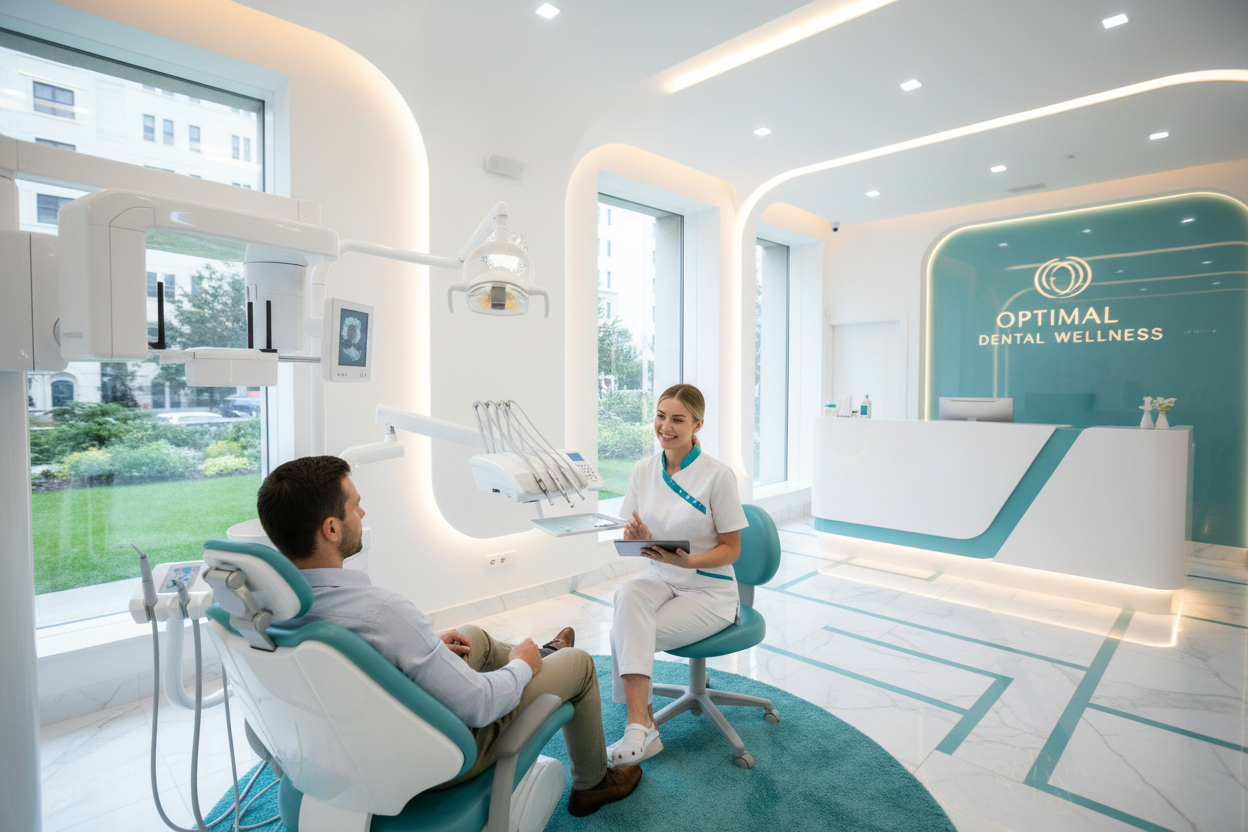
Planning a medical tourism journey: questions to ask
Planning a medical tourism journey: questions to ask. Practical research guidance for international patients comparing licensed European healthcare providers and travel arrangements.

Planning a medical tourism journey: questions to ask requires careful research, realistic expectations and direct discussion with licensed healthcare professionals. This guide explains the practical questions international patients may wish to consider when comparing providers in Malta and other European markets. It is general information only, not a clinical recommendation.
Start with the decision, not the advertisement
Planning a medical tourism journey: questions to ask is a significant decision for any international patient. The most useful starting point is not a promise about an outcome, but a clear understanding of the healthcare system, the licensed provider, the practical arrangements, and the questions that still need answers. Patients comparing options in Malta and other European markets should take time to separate general information from individual clinical advice.
European healthcare is not one single system. Rules, professional registers, hospital structures, pricing models and patient rights differ between countries. A medical tourism intermediary can help people understand available providers and destinations, but clinical decisions belong exclusively to qualified professionals at the selected facility. This distinction protects patients from marketing language that sounds more certain than the evidence allows.
For that reason, a careful comparison should consider more than a headline price. Look at licensing, relevant accreditation, the identity and registration of the clinician, the proposed provider, communication arrangements, itemised costs and the plan for questions after a patient returns home. The aim is an informed conversation with a licensed provider, not a rushed purchase.
Understand providers, licensing and accreditation
Planning a medical tourism journey: questions to ask is a significant decision for any international patient. The most useful starting point is not a promise about an outcome, but a clear understanding of the healthcare system, the licensed provider, the practical arrangements, and the questions that still need answers. Patients comparing options in Malta and other European markets should take time to separate general information from individual clinical advice.
European healthcare is not one single system. Rules, professional registers, hospital structures, pricing models and patient rights differ between countries. A medical tourism intermediary can help people understand available providers and destinations, but clinical decisions belong exclusively to qualified professionals at the selected facility. This distinction protects patients from marketing language that sounds more certain than the evidence allows.
For that reason, a careful comparison should consider more than a headline price. Look at licensing, relevant accreditation, the identity and registration of the clinician, the proposed provider, communication arrangements, itemised costs and the plan for questions after a patient returns home. The aim is an informed conversation with a licensed provider, not a rushed purchase.
- Confirm the legal name and location of the provider
- Check the relevant national professional register where available
- Ask which organisation is responsible for clinical care
- Request an itemised written quotation in EUR
- Ask how medical questions are answered before travel
Compare the full journey rather than one price
Planning a medical tourism journey: questions to ask is a significant decision for any international patient. The most useful starting point is not a promise about an outcome, but a clear understanding of the healthcare system, the licensed provider, the practical arrangements, and the questions that still need answers. Patients comparing options in Malta and other European markets should take time to separate general information from individual clinical advice.
European healthcare is not one single system. Rules, professional registers, hospital structures, pricing models and patient rights differ between countries. A medical tourism intermediary can help people understand available providers and destinations, but clinical decisions belong exclusively to qualified professionals at the selected facility. This distinction protects patients from marketing language that sounds more certain than the evidence allows.
For that reason, a careful comparison should consider more than a headline price. Look at licensing, relevant accreditation, the identity and registration of the clinician, the proposed provider, communication arrangements, itemised costs and the plan for questions after a patient returns home. The aim is an informed conversation with a licensed provider, not a rushed purchase.
An advertised figure may not include every part of a patient journey. Depending on the treatment, people may need to consider consultations, diagnostic assessment, medicines, laboratory work, hospital charges, accommodation, flights, local transport, companion costs, time away from work and possible follow up in their home country. A written quotation should state what is included and what remains separate.
Costs may be lower than equivalent private care in another country, but a lower figure is not evidence of suitability or quality. Prices can reflect local operating costs, facility type, clinician experience, complexity and what the package includes. Patients should avoid comparing a complete quotation with a partial headline price.
Currency and payment terms also matter. Ask whether the quotation is fixed, how long it remains valid, which payment stages apply, and what happens if the provider decides that the proposed treatment is not appropriate after assessment. These are commercial questions, but they can have a material effect on planning.
Prepare questions for the clinical consultation
Planning a medical tourism journey: questions to ask is a significant decision for any international patient. The most useful starting point is not a promise about an outcome, but a clear understanding of the healthcare system, the licensed provider, the practical arrangements, and the questions that still need answers. Patients comparing options in Malta and other European markets should take time to separate general information from individual clinical advice.
European healthcare is not one single system. Rules, professional registers, hospital structures, pricing models and patient rights differ between countries. A medical tourism intermediary can help people understand available providers and destinations, but clinical decisions belong exclusively to qualified professionals at the selected facility. This distinction protects patients from marketing language that sounds more certain than the evidence allows.
For that reason, a careful comparison should consider more than a headline price. Look at licensing, relevant accreditation, the identity and registration of the clinician, the proposed provider, communication arrangements, itemised costs and the plan for questions after a patient returns home. The aim is an informed conversation with a licensed provider, not a rushed purchase.
A useful consultation should leave the patient able to explain, in their own words, the proposed procedure or treatment, the expected benefits, the material risks, alternatives, likely practical restrictions and the circumstances that would change the plan. If an answer is unclear, ask for clarification rather than relying on an assumption made from a brochure.
Patients should also ask how records are handled, what information the clinician needs, who can answer questions before travel, and which professional is responsible for each part of care. Aurevon Health does not provide medical advice or assess clinical suitability. Those matters must be addressed by the licensed healthcare professionals at the partner facility.
Think about continuity and returning home
Planning a medical tourism journey: questions to ask is a significant decision for any international patient. The most useful starting point is not a promise about an outcome, but a clear understanding of the healthcare system, the licensed provider, the practical arrangements, and the questions that still need answers. Patients comparing options in Malta and other European markets should take time to separate general information from individual clinical advice.
European healthcare is not one single system. Rules, professional registers, hospital structures, pricing models and patient rights differ between countries. A medical tourism intermediary can help people understand available providers and destinations, but clinical decisions belong exclusively to qualified professionals at the selected facility. This distinction protects patients from marketing language that sounds more certain than the evidence allows.
For that reason, a careful comparison should consider more than a headline price. Look at licensing, relevant accreditation, the identity and registration of the clinician, the proposed provider, communication arrangements, itemised costs and the plan for questions after a patient returns home. The aim is an informed conversation with a licensed provider, not a rushed purchase.
Before booking, consider what practical arrangements will be needed after returning home. The treating provider should explain relevant instructions and warning signs directly to the patient. A patient may also wish to identify an appropriate local healthcare contact for independent advice at home. The arrangements depend on the treatment and the patient’s circumstances, so they should be discussed with qualified professionals.
Travel insurance deserves specific attention. Some policies exclude planned treatment abroad, while others may provide limited cover for travel disruption but not clinical costs. Read the policy wording carefully and obtain written clarification before committing to non refundable travel or accommodation.
A responsible research checklist
- Use official provider and regulator information where possible
- Request clear written answers rather than relying only on promotional claims
- Keep copies of quotations, consent documents and payment terms
- Allow time for independent medical advice before making a decision
- Treat pressure to pay quickly as a reason to pause and investigate
Frequently Asked Questions
What is medical tourism in Europe?
Medical tourism in Europe means travelling from one country to another to seek healthcare. It can involve planned treatment, diagnostic services or elective procedures. Patients should research the licensed provider, professional credentials, costs, travel arrangements and rights that may apply in the country where care is delivered.
How do I compare medical tourism providers?
Compare licensing, relevant accreditation, clinician registration, treatment information, itemised pricing, communication arrangements and the provider’s process for assessment and consent. Do not rely on a single review or a low headline price. A qualified healthcare professional must address individual suitability, benefits, risks and alternatives.
Is medical treatment abroad cheaper in Europe?
Costs may be lower than equivalent private care in another country, but comparisons are meaningful only when the same services are included. Ask for a complete quotation in EUR and check whether consultations, tests, facility charges, medicines, travel, accommodation and any additional care are separate.
What should I ask a clinic before travelling?
Ask who will provide the care, how the clinician is registered, which facility is responsible, what assessment is required, what the quotation includes, how risks and alternatives are explained, and who answers questions before travel. Ask for written information and enough time to consider it.
Does Aurevon Health provide medical advice?
No. Aurevon Health is a medical tourism concierge service and intermediary, not a medical provider. It does not diagnose conditions, recommend treatments or assess individual suitability. Clinical decisions, consent and treatment planning must be handled directly by licensed healthcare professionals at the selected partner facility.
What rights may apply when travelling for care in Europe?
Patients travelling from EU countries for treatment in another EU member state may have rights under EU Directive 2011/24/EU, including access to information and, in some circumstances, reimbursement. The details depend on the patient and treatment, so consult official sources and qualified advisers.
Important information
The information provided in this article is for general informational purposes only and does not constitute medical advice. Aurevon Health is a medical tourism concierge service and is not a medical provider. We do not diagnose, treat, or recommend specific medical procedures or treatments for individuals. Always consult a qualified medical professional before making any decisions about your health or healthcare. Individual outcomes vary and cannot be guaranteed. Aurevon Health does not endorse or guarantee the services of any specific clinic, hospital, or healthcare provider.