Wrist Arthroscopy and Modern Hand Surgery Technology: What Patients Should Know
How wrist arthroscopy and modern imaging are changing hand surgery abroad: what the technology does, what it suits and the questions patients should ask.
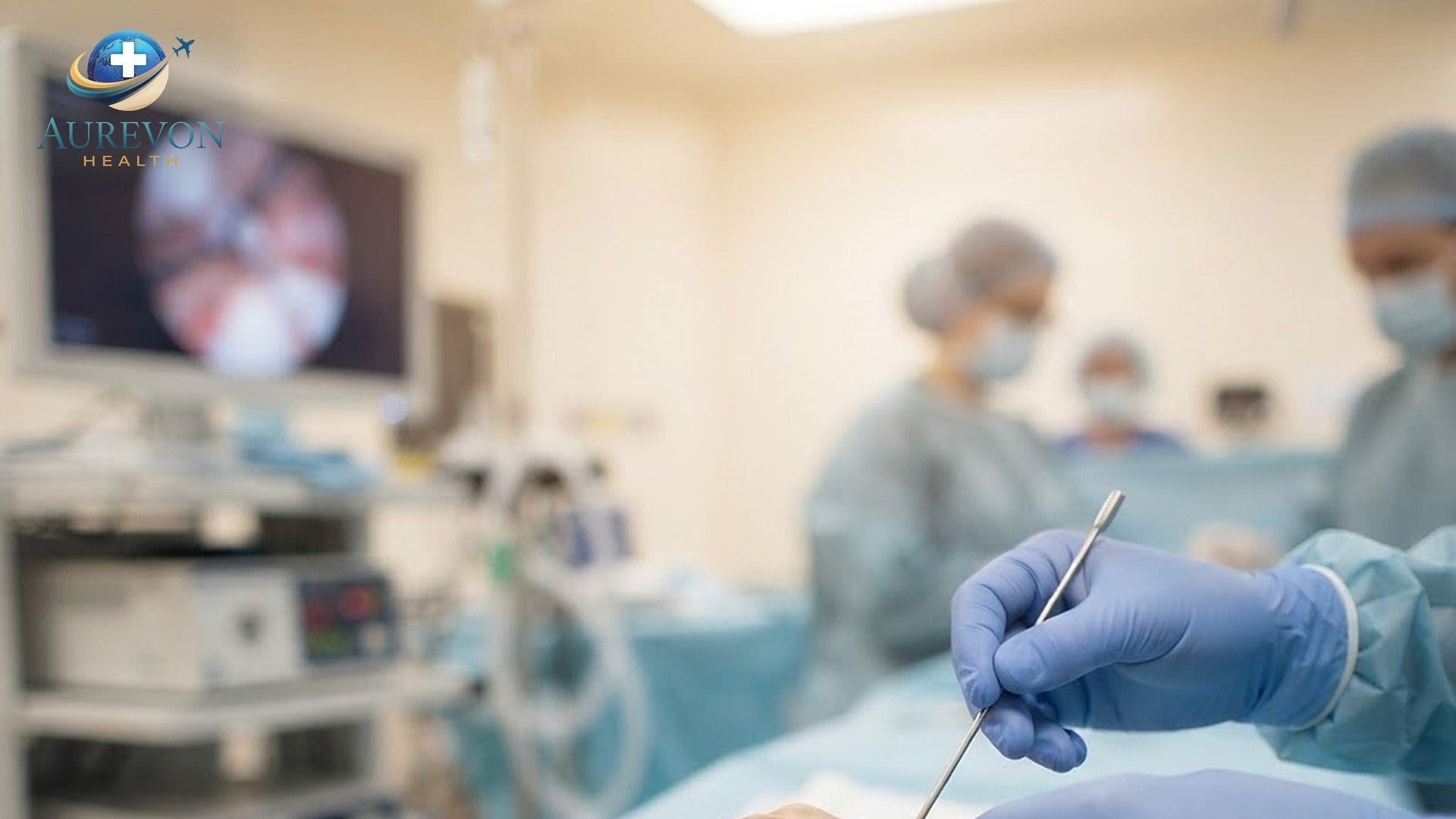
Hand surgery has quietly become one of the most technology assisted disciplines in orthopaedics. Wrist arthroscopy lets surgeons see and treat problems inside the wrist through pinhole portals, high resolution imaging has sharpened diagnosis, and instruments have evolved to match. For patients researching hand or wrist treatment abroad, understanding what this technology does, and what it does not, makes the search sharper. This guide explains the main tools and the questions that separate good programmes from impressive brochures.
What Wrist Arthroscopy Actually Is
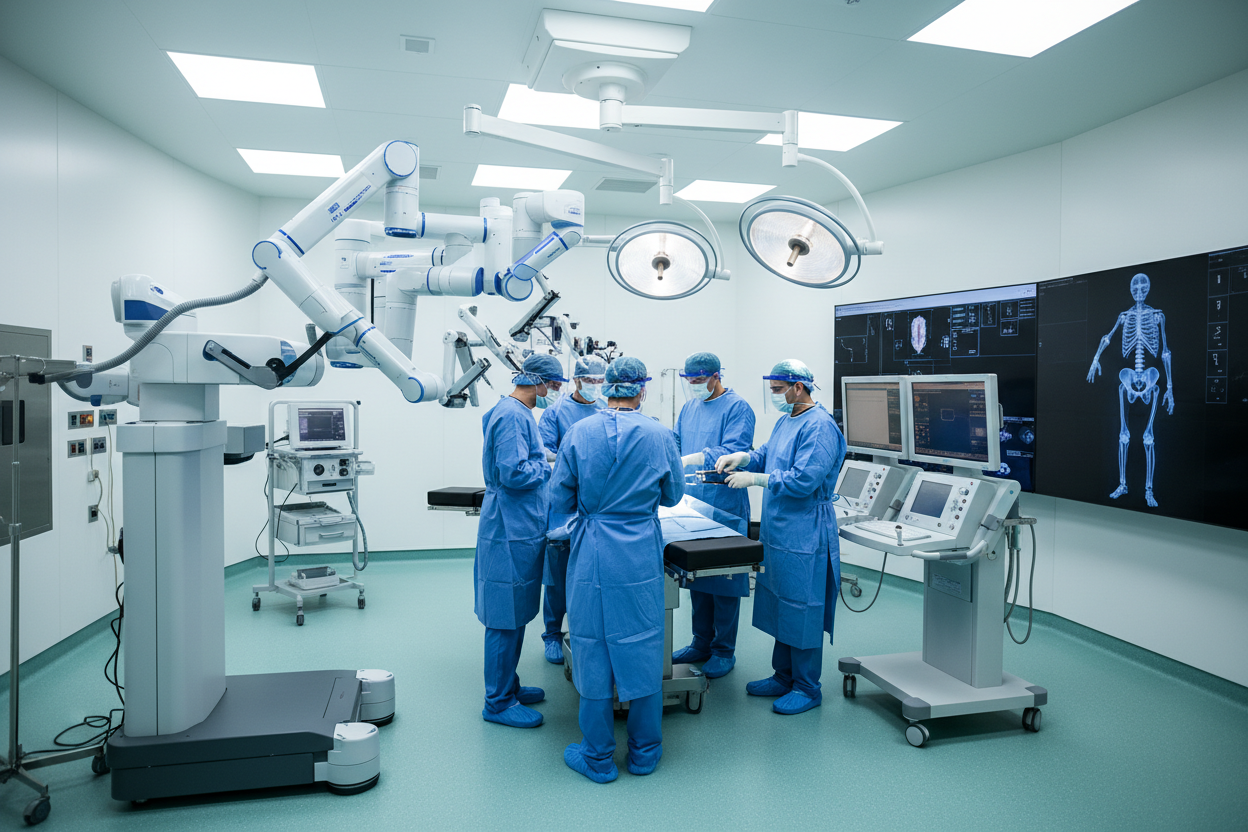
An arthroscope is a thin camera introduced into a joint through a small portal, with further portals for instruments. In the wrist, the surgeon inspects the joint surfaces, the cartilage, the ligaments and the triangular fibrocartilage complex on the little finger side, then treats what the examination finds: cleaning damaged tissue, repairing certain tears, or assessing arthritis for planning. The whole operation happens through wounds of a few millimetres.
Diagnostic arthroscopy is the technology at its most useful: wrists are small, complex joints, and the arthroscope shows structures that scans can image only indirectly. Combined with high resolution MRI and ultrasound, the clinical picture becomes precise, and precision in the wrist is everything, since the joint packs a large amount of function into a small space.
Recovery advantages follow from the small wounds, though the inner healing of repaired tissues takes the same time regardless of portal size. Patients should expect arthroscopy to mean small scars and faster skin healing, not faster biology.
What the Technology Suits
Arthroscopy suits a defined family of wrist problems: certain cartilage and ligament injuries, some triangular fibrocartilage tears, synovitis in inflammatory conditions, ganglia in selected locations, and the assessment of wrist pain that imaging has not explained. It is also used to stage arthritis before planning bigger procedures.
It does not suit everything. Widespread arthritis, complex fractures and many instability patterns are treated with open techniques, and an experienced surgeon chooses the approach per case. A centre proposing arthroscopy for every wrist problem is applying a brand rather than a judgement, exactly as a centre proposing open surgery for everything is applying a habit.
Patients comparing treatments abroad should ask directly: what is your working diagnosis, what does the imaging show, which approach suits my anatomy and why? The specific answers, including the option of doing nothing surgical where appropriate, are the signal of clinical quality.
Imaging and Diagnosis Before Technology
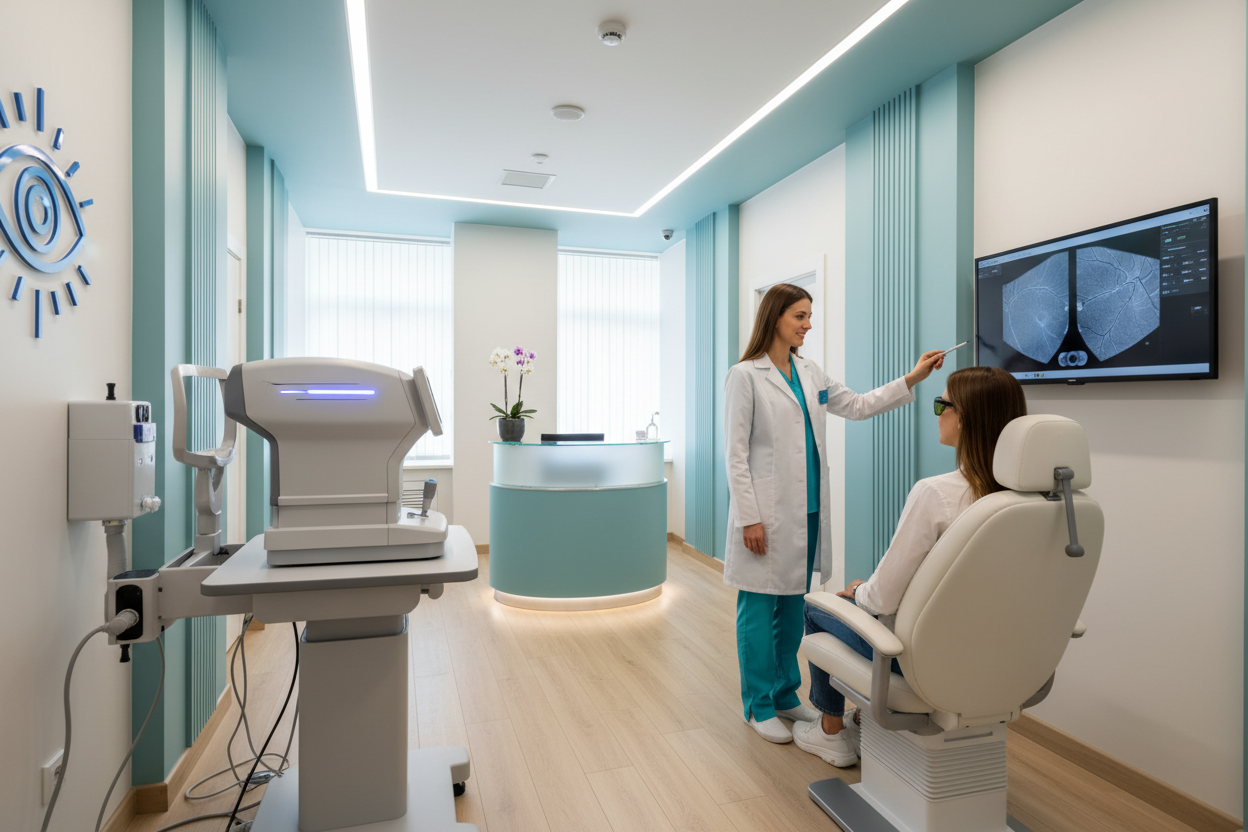
The least glamorous and most valuable technology in hand surgery is imaging done well. High resolution ultrasound examines tendons and soft tissues dynamically, watching them move; MRI details cartilage, ligaments and marrow; and nerve studies, as in carpal tunnel care, confirm nerve compression. The diagnostic set informs everything downstream, including whether arthroscopy is investigation, treatment or both.
Patients travelling abroad can often have imaging performed near home and sent ahead, which shortens trips and focuses the consultation. Reputable centres welcome existing studies and interpret them directly rather than insisting every scan be repeated on site.
The practical test is transparency: a centre that walks you through your own images, names the structures and explains what is normal and what is not, is practising diagnosis. A centre that moves from a brief chat to a procedure menu is practising sales.
Recovery After Arthroscopic Wrist Procedures
Recovery follows the treatment performed more than the arthroscopy itself. Simple debridement allows rapid use, with light activity within days and progressive return over weeks. Repairs of ligaments or cartilage need protection, sometimes in a splint or cast for weeks, followed by structured therapy, because repaired tissue heals on biology's schedule.
Hand therapy is a genuine partner discipline in this field, and the strongest programmes integrate it from the outset. Patients treated abroad should ask how therapy is arranged after they fly home, since distance is manageable when the plan is written and the therapist is briefed from the operative findings.
Portal wounds heal in days to a week, and stiffness around the wrist is the main thing to avoid, through the movement programme the team prescribes rather than immobilisation beyond what is needed.
Choosing a Centre Abroad
Verification standards apply to arthroscopic centres as to any surgery. Check the surgeon's specialty training in hand or orthopaedic surgery and their national registration. Confirm the facility licence for the anaesthesia planned. Ask about annual arthroscopic volumes for the specific procedure proposed, the diagnostic pathway before surgery, and the follow up and therapy arrangements after you return home.
Costs in EUR at reputable centres in popular destinations may be lower than equivalent private rates at home, though the comparison depends on the surgeon and facility. Compare quotes on content: imaging, anaesthesia, facility, operative findings communication to your home therapist, and reviews.
Aurevon Health connects patients with independently licensed and accredited providers across its European markets and takes no position on technique or suitability. Decisions about your hands belong to the qualified specialists who assess them.
Frequently Asked Questions
Is wrist arthroscopy better than open surgery?
Neither is universally better. Arthroscopy suits certain ligament, cartilage and soft tissue problems through small portals with fast skin healing, while many conditions are better treated open. Experienced surgeons choose per case, and a centre proposing one approach for everything is applying habit rather than judgement.
Does arthroscopy mean a faster recovery?
Small portals mean faster skin healing and less scar discomfort, but repaired ligaments and cartilage heal on biology's schedule regardless of incision size. Recovery follows the treatment performed, from days for simple debridement to weeks of protection after repairs, with structured therapy.
Can I have my wrist imaging done at home before travelling?
Usually yes, and good centres welcome existing studies, including MRI, ultrasound and nerve studies, which shortens your trip and focuses the consultation. Bring the actual images, not only the reports. The centre should interpret them directly rather than routinely repeat them.
What is the triangular fibrocartilage complex?
It is a cartilage and ligament structure on the little finger side of the wrist that stabilises the joint and cushions load. Tears can cause pain on that side of the wrist with gripping and rotation, and certain tear patterns are among the conditions that arthroscopy can assess and treat.
How long should I stay abroad after a wrist arthroscopy?
Simple procedures often need only a few days before flying after review; repairs needing splintage may need a slightly longer stay or a documented handover to therapy at home. Confirm the specific plan before booking, and follow the treating team's protocol for your case.
What questions show a good arthroscopic programme?
Ask what the working diagnosis is, what imaging shows, why the proposed approach suits your anatomy, what annual volumes the surgeon performs of that procedure, and how therapy and follow up are arranged after you return. Specific answers indicate diagnosis; a procedure menu indicates sales.
Patients travelling from EU countries for medical treatment in other EU member states have rights under EU Directive 2011/24/EU, including the right to information about treatment options and, in some cases, the right to seek reimbursement from their home country health system. Full details are available on our Your Rights page.
The information provided in this article is for general informational purposes only and does not constitute medical advice. Aurevon Health is a medical tourism concierge service and is not a medical provider. We do not diagnose, treat, or recommend specific medical procedures or treatments for individuals. Always consult a qualified medical professional before making any decisions about your health or healthcare. Individual outcomes vary and cannot be guaranteed. Aurevon Health does not endorse or guarantee the services of any specific clinic, hospital, or healthcare provider.