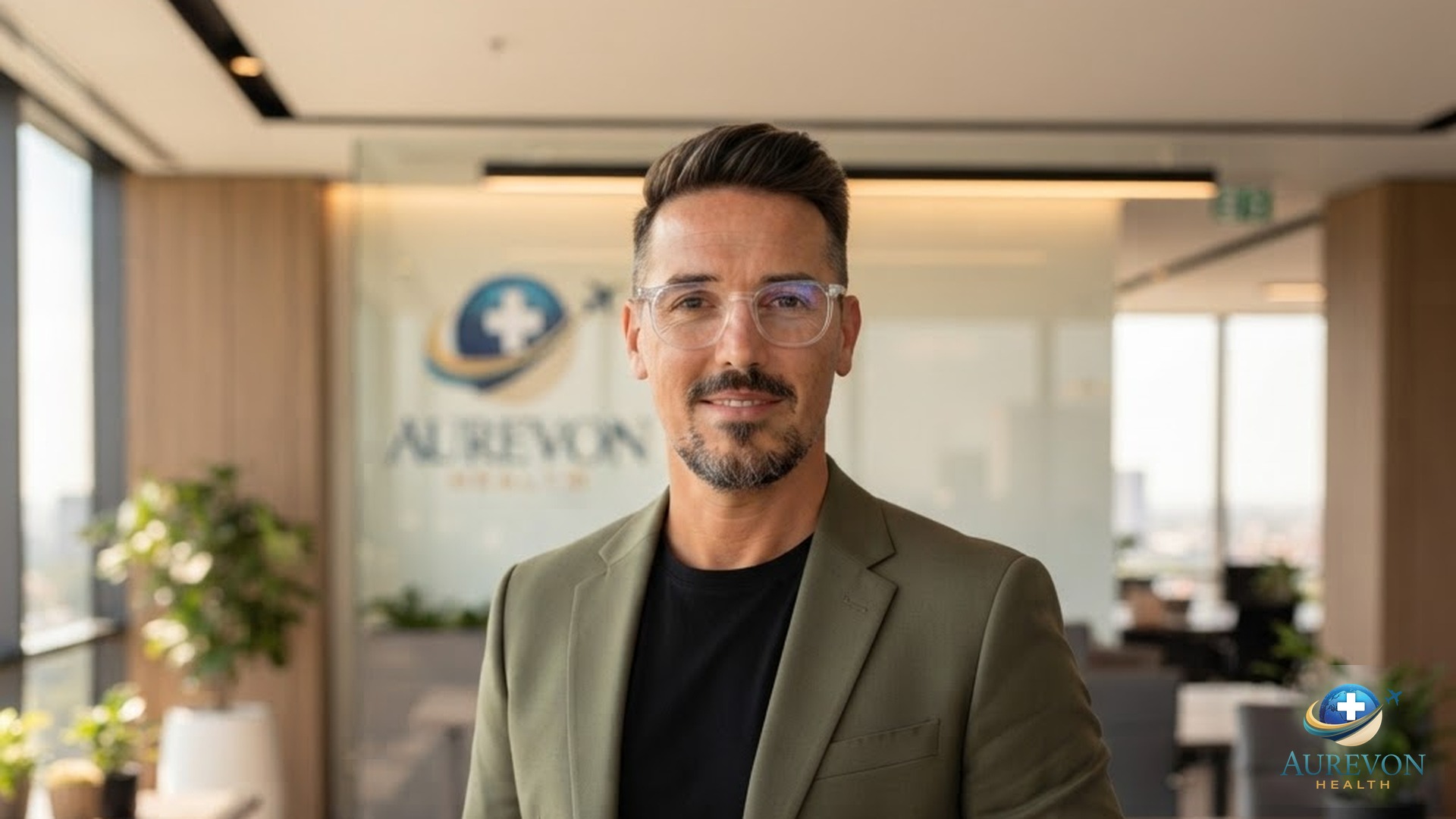
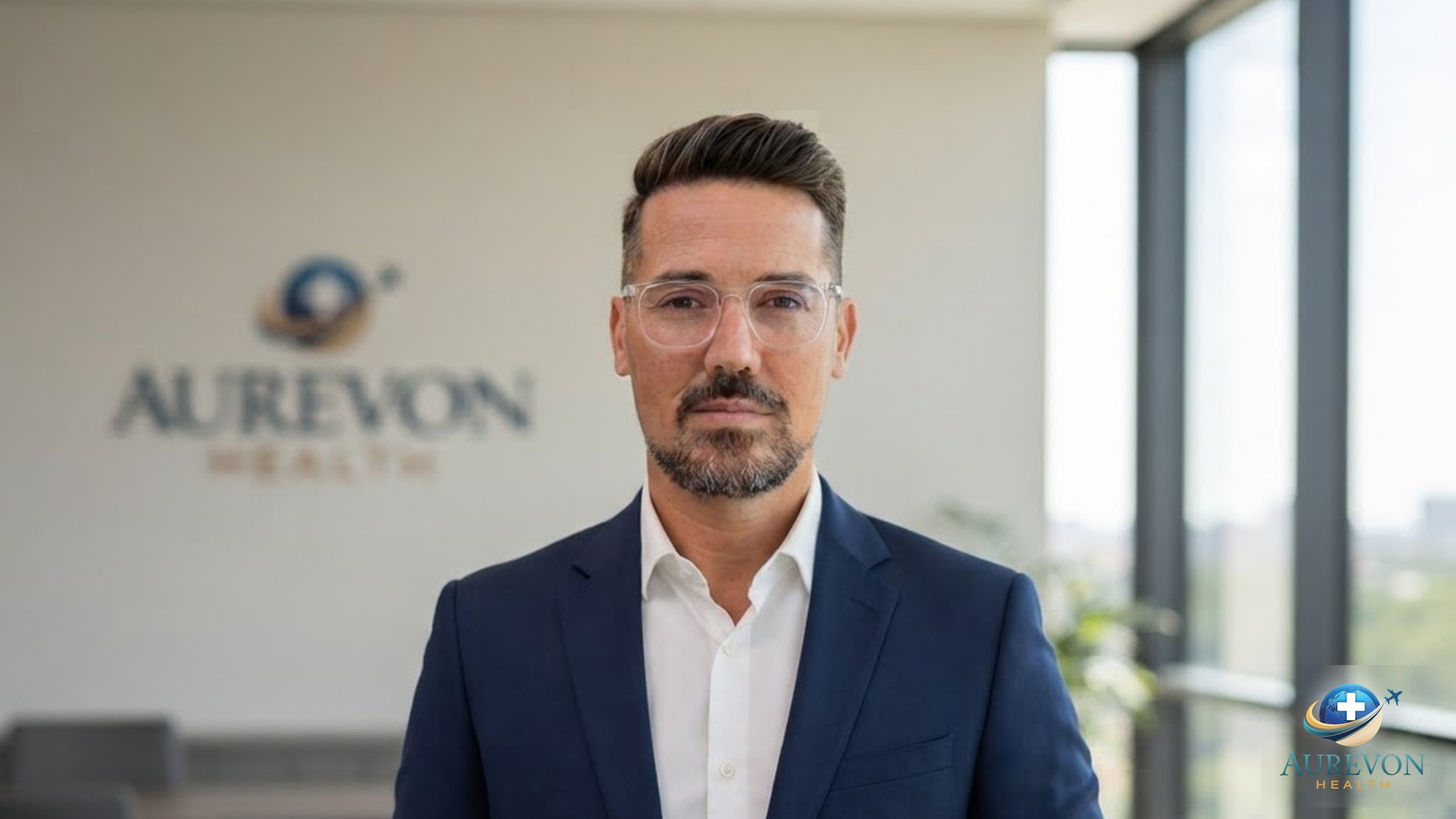
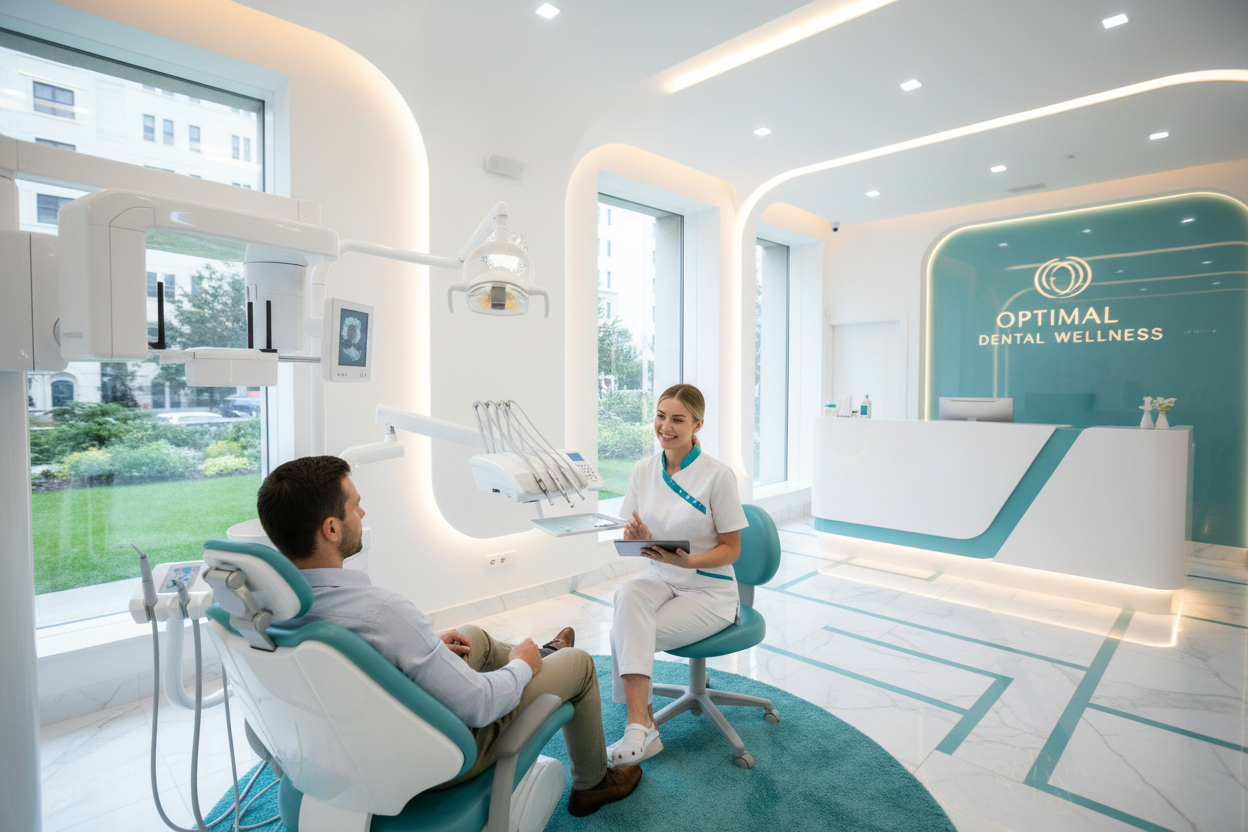
A Founder's Note: Why Listening Matters More Than Reassurance
Lee Tuck reflects on listening, accountability and honest communication when people are considering treatment abroad.
There is a question I think every company should be able to answer before anyone trusts it: what happens when the company gets something wrong? Not what happens in a carefully prepared presentation, but what happens when a piece of information is unclear, a process takes longer than expected, or a person asks a question we cannot answer ourselves. For Aurevon Health, my answer begins with listening rather than defending ourselves.
Listening is part of responsibility
Medical travel involves decisions that can feel personal and complicated. People may be thinking about their health, their finances, their family and the practical reality of travelling abroad. They deserve information that respects that weight. They also deserve to be heard when something is confusing or when an explanation does not meet the standard it should.
Listening is not simply a pleasant customer service habit. It is a way to find gaps in our own thinking. A question from one person may reveal that a guide needs clearer language. A concern about costs may show that a comparison needs more context. A request for clinical advice may remind us to explain more carefully where our role ends and the responsibility of a licensed professional begins.
That distinction matters because Aurevon is an intermediary. We connect people with independently licensed and accredited healthcare providers across our European markets. We are not a healthcare provider, and we do not diagnose, recommend treatment or decide whether a procedure is suitable. Listening does not mean stepping across that boundary. It means understanding what a person needs to ask the right professional.
What I mean by a useful answer
A useful answer is not always the most reassuring answer. Sometimes it is a clear explanation of what we know. Sometimes it is an honest statement that a question belongs with the clinic or a qualified medical professional. Sometimes it is a reminder to slow down and compare more than a headline price.
I would rather someone leave a conversation with a better question than with false certainty. A provider should be able to explain its credentials, what a quotation includes, who makes clinical decisions and how communication works. An intermediary should describe its own role accurately. These are not obstacles to a decision. They are the foundations of an informed one.
Listening also means paying attention to the words people use. If a phrase sounds like a promise, it needs to be examined. If a cost comparison could be misunderstood, it needs qualification. If an article feels too polished to acknowledge uncertainty, it probably needs another edit. Good communication is not about removing every difficult detail. It is about making difficult details easier to understand.
When the answer is not what someone hoped for
There will be moments when the honest answer is disappointing. A particular provider may not have the information someone needs. A price may not include everything they expected. A procedure may require questions that only a clinician can answer. We should not hide those realities because they make a journey less convenient to describe.
In a commercial business, there is always a temptation to smooth the edges. I understand why that temptation exists, but smoothing the edges of a healthcare decision can create a much bigger problem later. A person who feels rushed or misled is not served by a more attractive sentence. They are served by clarity, even when clarity asks them to pause.
Our work is therefore not finished when information has been published. We need to remain open to correction. If a page is unclear, we should improve it. If a claim cannot be supported, we should remove it. If a person points out a gap, we should consider whether that gap affects other readers too. Accountability is practical work, not a slogan.
Building trust one conversation at a time
Aurevon launched in 2026. We are still building the habits that will define us, and I do not want to pretend that a young company has a long history it has not earned. What we can build now is a culture in which questions are welcome, limits are visible and people are treated as thoughtful adults.
That culture applies to our relationships with partner providers as well. We want their information represented accurately, without turning an accreditation into a vague badge or presenting any provider as right for everyone. Independent clinical judgement belongs with independent licensed professionals. Our responsibility is to communicate the structure around that judgement honestly.
It applies to our own team as well. We need to challenge copy that sounds too certain, check the basis of figures and notice when we are speaking more about conversion than about understanding. Listening gives us a way to test whether our work is genuinely useful. It keeps the person reading at the centre of the decision.
A note to anyone considering treatment abroad
You do not have to decide quickly simply because a website makes a decision look simple. Read the information carefully. Write down the questions that matter to you. Ask providers for clear written details, and speak with a qualified medical professional about clinical matters, alternatives and risks. If something does not make sense, ask again.
You should also feel able to say that you need time. A responsible conversation leaves room for reflection. It does not turn uncertainty into pressure or treat a concern as an inconvenience. Your questions are not a delay in the process. They are part of the process.
My commitment is to keep listening, especially when the answer is uncomfortable. Aurevon will not be perfect, but we can be honest about what we do, what we do not do and what we need to improve. Trust is not something a company announces. It is something people decide they have experienced, one conversation at a time.
Frequently Asked Questions
Why is listening important in medical travel?
Listening helps an intermediary understand where information is unclear, incomplete or potentially misleading. It can lead to better questions for providers and clearer public guidance. Listening does not replace clinical assessment or medical advice. Those responsibilities remain with licensed healthcare professionals at the relevant partner facility.
Does Aurevon Health provide medical advice?
No. Aurevon Health is a medical tourism intermediary, not a healthcare provider. It does not diagnose conditions, recommend procedures or assess individual suitability. Clinical questions, treatment choices, risks and alternatives should be discussed with a qualified medical professional who can consider the person’s circumstances.
What should I do if information about treatment abroad is unclear?
Pause and ask for clarification before making a commitment. Request written details about the provider, quotation, inclusions and practical arrangements. Clinical questions should be directed to a qualified healthcare professional. A responsible organisation should not make you feel uncomfortable for asking reasonable questions or taking time to understand the answer.
Can an intermediary answer every question about a clinic?
No. An intermediary can explain its own role and provide information about its partner network, but it cannot speak for a clinician or replace a facility’s own explanations. Questions about diagnosis, suitability, treatment and expected outcomes belong with the licensed professionals responsible for care.
How can I make a more informed decision about treatment abroad?
Compare provider credentials, licensing, accreditation, costs, inclusions, communication arrangements and travel practicalities. Ask direct questions and consider advice from an independent qualified medical professional. Avoid promises that sound absolute, pressure to decide immediately or prices that do not clearly explain what is included.
The information provided in this article is for general informational purposes only and does not constitute medical advice. Aurevon Health is a medical tourism concierge service and is not a medical provider. We do not diagnose, treat, or recommend specific medical procedures or treatments for individuals. Always consult a qualified medical professional before making any decisions about your health or healthcare. Individual outcomes vary and cannot be guaranteed. Aurevon Health does not endorse or guarantee the services of any specific clinic, hospital, or healthcare provider.