A Founder's Note: What a Building Tells You
Lee Tuck, founder of Aurevon Health, on reading a clinic facility honestly, from cleanliness and staff to virtual tours and its emergency arrangements.

Patients ask me constantly how to judge a clinic they have never visited, and my answer surprises them: you already know how. The same instincts that tell you a restaurant is well run, a garage is trustworthy or a school takes its work seriously work perfectly on clinics, because they are reading the same thing, which is whether the people in charge care about the details. Today I want to walk you through what a facility tells you, in person or through a screen, if you know how to look.
Buildings Speak in Details
Start with the obvious, because the obvious is reliable. Is the place clean, and I mean actually clean, the corners, the skirting, the equipment, not just the reception that photographs well? Cleanliness is the cheapest form of diligence there is, and a facility that cannot manage it is telling you something important about everything else it cannot manage. Are things maintained, the paint, the furniture, the machinery, or are they merely present? Maintenance is care made visible.
Then look at the staff. Do they seem calm and unhurried, or frantic and performative when the manager appears? Do the clinicians and nurses speak to each other with the shorthand of a team that works together often, or like strangers sharing a corridor? You are not judging individuals, you are judging a system, and systems show themselves in the pauses between the performances.
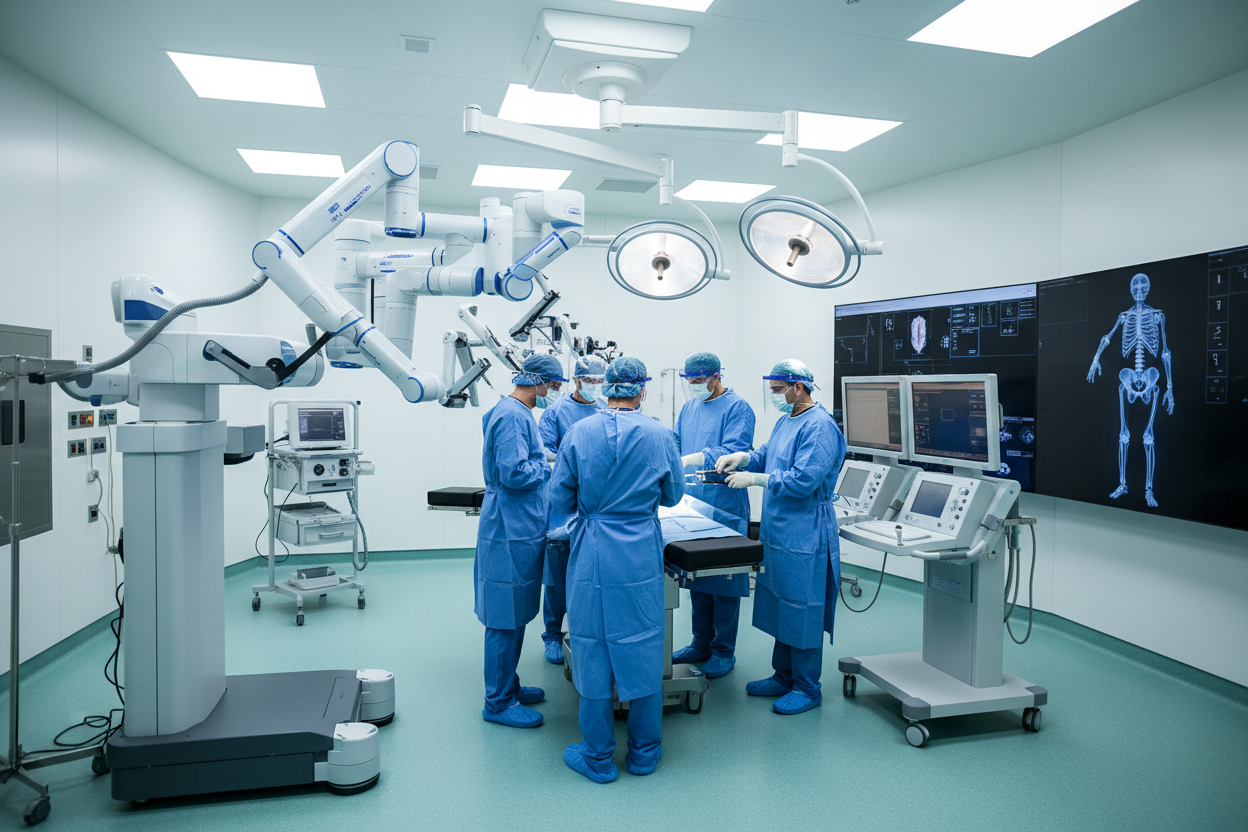
And when the tour happens, notice what you are shown and what you are not. A confident facility shows you the theatre, the recovery area, the sterilisation arrangements, because those are its work. A facility that shows you only the lobby, the café and the testimonials has confused hospitality with healthcare, and that confusion is precisely the culture I wrote about in the clinic is not a hotel.
The Virtual Tour, Read Honestly
Most patients judge facilities through screens, so let me be specific about that. Photos reveal more than their subjects intend: look at whether images of the theatre and clinical areas are plentiful or suspiciously rare compared with the lounge and the view. Look at whether the equipment shown is the current generation, not because new matters for its own sake, but because investment in equipment reflects investment in standards. Look for the accreditations displayed, and then verify them independently, because a certificate is worth the register behind it and nothing more.
Video is better than photos, and live video is better than video. Many excellent providers will happily arrange a live walk through on a video call, showing you the areas that matter and answering questions as they go. A provider who refuses every form of facility transparency while marketing heavily is not cautious, they are hiding something, and the something is rarely flattering.
And read the exits as carefully as the entrances: ask what the intensive care arrangements are, where the nearest full hospital is, and how emergencies transfer. The quality of a facility is partly the quality of its plan for the day the plan fails, and good providers answer that question without flinching because they have rehearsed it.
The Questions a Building Cannot Answer
Now the fairness note, because I would be a poor guide if I let you over read architecture. A building cannot tell you a surgeon's volume, an anaesthetist's training, a provider's honesty or a pathway's completeness. Some of the finest clinicians I know work in modest buildings, and some of the worst medicine I have seen was performed in marble. The facility is one signal among several, and it is the least important of the verifiable ones, behind registrations, accreditation and named clinicians.
So use the building the way it deserves to be used: as a filter and a character clue, not a verdict. A maintained, clean, transparent facility with happy staff suggests a culture that sweats details, and cultures that sweat details are the ones you want holding your file on surgery day. A beautiful building with evasive answers suggests the opposite, and no chandelier compensates for it.
Trust the details, verify the documents, and never confuse the lobby with the medicine.
Where We Come In
Aurevon Health helps patients read facilities honestly, in person where possible and through screens where not. We check the verifiable facts behind the impressions, accreditation, registration, named clinicians, written pathways, and we encourage providers to offer real transparency, live tours, clear photographs of clinical areas, honest answers about emergency arrangements, before patients commit to anything.
If you are trying to read a facility from a distance and the picture will not come into focus, use the chat on our website and tell us what you have seen and what you have not. We will help you ask for the views that matter, with no obligation and no pressure, as always. Buildings speak. You just have to know which details are the words.
Frequently Asked Questions
How can I judge a clinic abroad before visiting?
Read the details: cleanliness in corners and on equipment, maintenance of paint and machinery, calm staff who work like a real team, and a tour that shows theatres and recovery areas rather than lobbies and lounges. Then verify the documents the building cannot provide: accreditation, surgeon registrations and named clinicians. The facility is a character clue, not a verdict, so use it as a filter alongside the verifiable facts.
What should a virtual tour of a clinic show me?
The working areas: operating theatres, recovery spaces, sterilisation arrangements and the equipment actually in use, not only the reception and the view. Ask for a live walk through on a video call if photographs are rare, and expect providers to answer questions as they go. Refusal of every form of facility transparency while marketing heavily is not caution, it is concealment, and the something concealed is rarely flattering.
Does a modern building mean better care?
No, and never assume it in either direction. Excellent clinicians sometimes work in modest buildings, and poor medicine is sometimes performed in marble. A facility is one signal among several and the least important of the verifiable ones, behind registrations, accreditation and named clinicians. Use the building as a filter and a character clue: maintained, transparent facilities suggest a culture that sweats details.
What emergency arrangements should I ask a clinic about?
Ask where the nearest full hospital is, how emergencies transfer, and what the intensive care arrangements are, then judge whether the answer sounds rehearsed or invented. Quality is partly the plan for the day the plan fails, and good providers answer without flinching because they have drilled it. Read the exits as carefully as the entrances, because the emergency plan is part of the treatment.
Will Aurevon Health help me assess a facility?
Yes, by helping you read facilities honestly, in person where possible and through screens where not, and by checking the verifiable facts behind the impressions: accreditation, registration, named clinicians and written pathways. Use the website chat to tell us what you have seen and what you have not, and we will help you request the views that matter, with no obligation and no pressure.
The information provided in this article is for general informational purposes only and does not constitute medical advice. Aurevon Health is a medical tourism concierge service and is not a medical provider. We do not diagnose, treat, or recommend specific medical procedures or treatments for individuals. Always consult a qualified medical professional before making any decisions about your health or healthcare. Individual outcomes vary and cannot be guaranteed. Aurevon Health does not endorse or guarantee the services of any specific clinic, hospital, or healthcare provider.